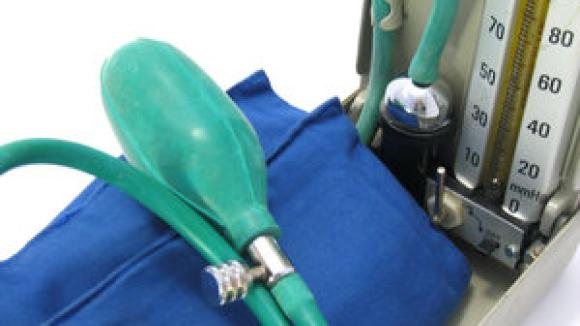
Postural orthostatic tachycardia syndrome (POTS) is a chronic autonomic disorder affecting an estimated 0.1%–1% of the US population, with peak incidence at ages 13–29 and a striking 90% female predominance.
Shoulder pain affects 16% of adults annually and is the third most common musculoskeletal presentation in primary care. This new review reframes the diagnostic and therapeutic approach, moving away from pathoanatomic labels (rotator cuff tendinopathy, impingement, bursitis) toward the umbrella
The British Society for Rheumatology has issued its first guideline dedicated solely to pain in inflammatory arthritis (IA)—covering RA, PsA, axial SpA and JIA.
Dr. Jack Cush reviews the news, journal articles and regulatory decisions from the past week. July is Gout: More than Flares month.
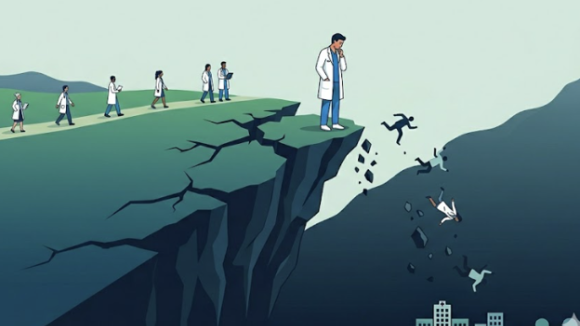
Australia is facing a deepening rheumatology manpower crisis with direct parallels to the situation in the United States.
The Wall St. Journal has published a perspective on nurse practitioners (NP) and their very promising careers.
The U.S. healthcare system is undergoing a
Dr. Jack Cush talks of birthdays, Quizzes and journal articles this week on the podcast.
Dr. Jack Cush reviews the news and journal articles from this past week on RheumNow.com
Dr. Jack Cush reviews the news and journal articles from this past week on RheumNow.com.
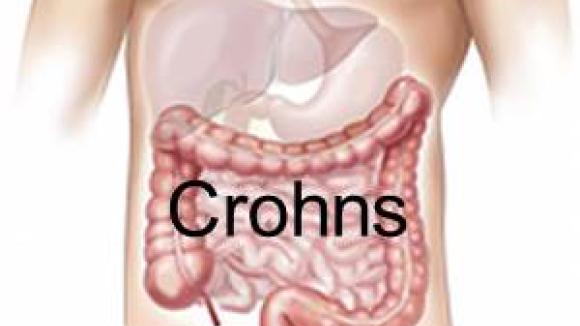
JAMA has published a current Clinical Guidelines Synopsis on the Management of Crohn Disease (CD) in Adults.
Dr. Jack Cush reviews the news and major articles from this week, including FDA safety warnings, reports from AAD, PsA trials.
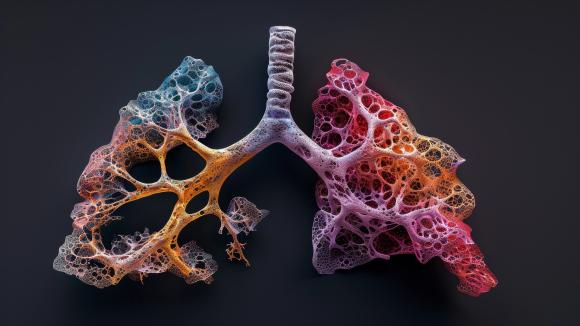
RA-ILD represents the most severe extra-articular manifestation of rheumatoid arthritis, affecting an estimated 1% of the adult population in the US and Northern Europe. Prevalence estimates vary widely (up to 58%), reflecting different diagnostic criteria, imaging modalities, and study
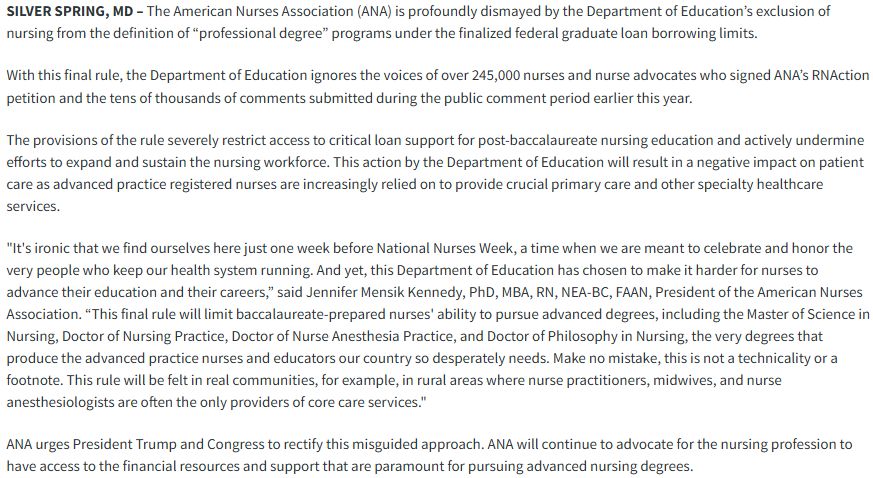
The American College of Rheumatology (ACR) recently joined with 16 other healthcare organizations to submit comments to the U.S. Department of Education (ED) in response to its proposal to exclude nurses, physician assistants, physical therapists, and social workers, among other crucial