


Can Effective Psoriasis Therapy Prevent Psoriatic Arthritis? Save

Know-it-now
- Structural entheseal lesions (erosions, new bone formation) are the most consistent imaging predictors of transition from psoriasis to PsA (mechanistically different from RA's synovitis-driven pathway).
- IL-23 pathway blockade has been most consistent for reducing PsA incidence relative to TNF inhibition. Prospective trials (e.g., PAMPA/guselkumab) are needed to establish causality.
- Obesity is a modifiable immunometabolic risk factor (1.5–2.5× PsA risk), and GLP-1 receptor agonists represent a hypothesis-generating candidate for adjunctive risk modification via direct anti-inflammatory effects.
- Disease progression follows a 3-stage continuum (at-risk → subclinical → clinical PsA) with diminishing preventability as TRM-stromal-myeloid circuits become self-sustaining — underscoring that interception windows are time-limited and argue for early identification using arthralgia phenotype and imaging-defined SEC inflammation.
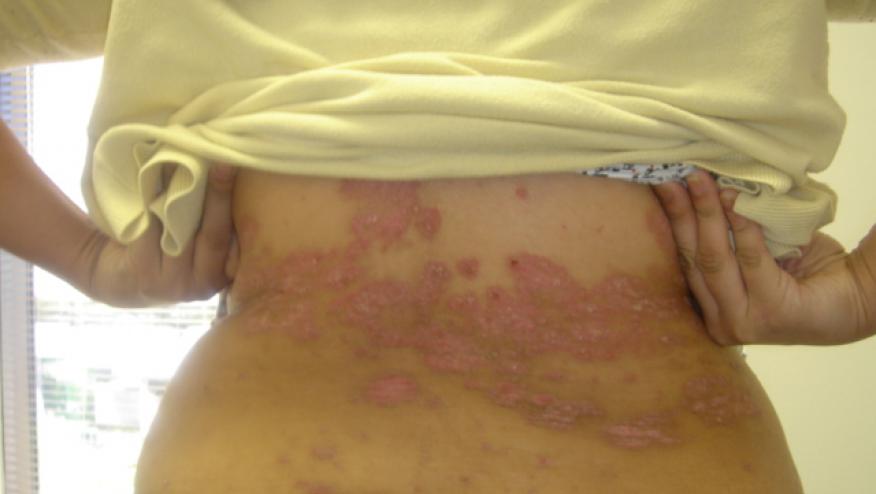
A review article assesses and integrates mechanistic, imaging, and clinical evidence to examine whether effective treatment of psoriasis may modify the future risk of psoriatic arthritis (PsA).
Several observational studies have show that aggressive dermatologic treatment of psoriasis may reduce the risk of PsA. Such claims come from studies with limitations; hence this unique question remains but is compelling given the potential for standard-of-care psoriasis therapy to prevent PsA. Among patients with psoriasis and arthralgia, ~20% progress to PsA within 3 years. This reviews proposes a 3-stage continuum from at-risk psoriasis --> subclinical disease -->clinical PsA.
Mechanistic Basis. The synovio-entheseal complex (SEC) concept explains that disease initiation, at relatively avascular entheses, propagates from enthesis to adjacent vascular synovium. Comparative genomics show skin disease is IL-17/IL-23-dominant while synovium shows stronger TNF/IL-6 signatures, yet IL-23/17 blockade still resolves musculoskeletal features like dactylitis (~60% at 6 months, ~80% at 1 year), supporting closer skin-joint crosstalk than the genomic divergence observed.
Novel photoconvertible mouse data (Raimondo et al.) demonstrate that IL-23-driven skin inflammation triggers migration of CCR2⁺ myeloid cells to joints, but arthritis only emerges when the local joint microenvironment permits it — specifically via loss of CD200⁺ fibroblast-mediated stromal regulation. This positions PsA as a multistep process requiring both immune cell trafficking and a permissive tissue niche. Tissue-resident memory T cells (TRM) — implicated in psoriasis, lupus nephritis, and IBD — appear to act as "enhancer" cells that amplify inflammation via recruitment of monocytes, macrophages, and fibroblast-like synoviocytes rather than as direct effectors, providing rationale for early interception before self-sustaining TRM circuits establish.
Imaging and Risk Stratification. Structural entheseal lesions — particularly erosions and new bone formation on ultrasound and MRI — represent the most consistent and reproducible markers of transition to PsA (Zabotti et al.; Simon et al.), distinguishing PsA's enthesis-centred pathway from RA's synovitis/tenosynovitis-driven trajectory. Transient inflammatory changes alone were not predictive. Long-term risk factors include nail involvement (~90% of PsA cases in early Leeds cohorts), extensive plaque disease, family history, obesity, and higher PASI; short-term predictors include inflammatory-type arthralgia and imaging-confirmed subclinical SEC inflammation.
Aggressive Biologic Therapy. Ustekinumab and secukinumab have each been shown to regress subclinical entheseal abnormalities in psoriasis patients without PsA. Across observational and electronic-record cohorts, IL-23 inhibitors show the most consistent association with reduced PsA incidence relative to other mechanisms including TNF inhibitors, though causality cannot be established from these designs. Earlier signals suggesting TNF inhibitors increase PsA risk appear attributable to protopathic bias and surveillance differences rather than a genuine drug effect. Prior exposure to multiple biologics correlates with higher subsequent PsA risk, likely reflecting treatment-refractory, systemically active disease rather than a causal drug effect. The ongoing PAMPA trial will randomize high-risk psoriasis patients (severe/sensitive-site disease plus arthralgia and ultrasound abnormalities) to guselkumab versus optimized dermatologic care, directly testing interception.
Metabolic Modulation. Obesity confers a 1.5–2.5-fold increased PsA risk and acts as an immunometabolic driver via adipokine/cytokine production (IL-6, TNF, IL-1β, leptin), high-fat-diet-induced IL-17A⁺ γδ T-cell accumulation, and trained-immunity myeloid reprogramming. GLP-1 receptor agonists are proposed as a novel disease-modifying candidate class, with anti-inflammatory effects (NF-κB inhibition, reduced IL-17A/IFN-γ production) beyond weight loss — a hypothesis requiring prospective testing.
Limitations
Classification criteria for PsA lack sensitivity for very early or enthesitis-predominant disease, complicating both clinical recognition and trial endpoint definition. It remains uncertain which imaging lesions mark the true transition point, even in axial disease.
Related Content



ADD THE FIRST COMMENT
Disclosures
Disclosures
The author has no conflicts of interest to disclose related to this subject





If you are a health practitioner, you may Login/Register to comment.
Due to the nature of these comment forums, only health practitioners are allowed to comment at this time.