


Rethinking Treatment of EGPA Save

Know-it-now
Glucocorticoids/cyclophosphamide remains the cornerstone of remission induction.
Rituximab is good and equal in head-to-head testing.
Anti-IL-5 therapy is practice-changing advance.
New targets (of type 2 inflammation) are in development.
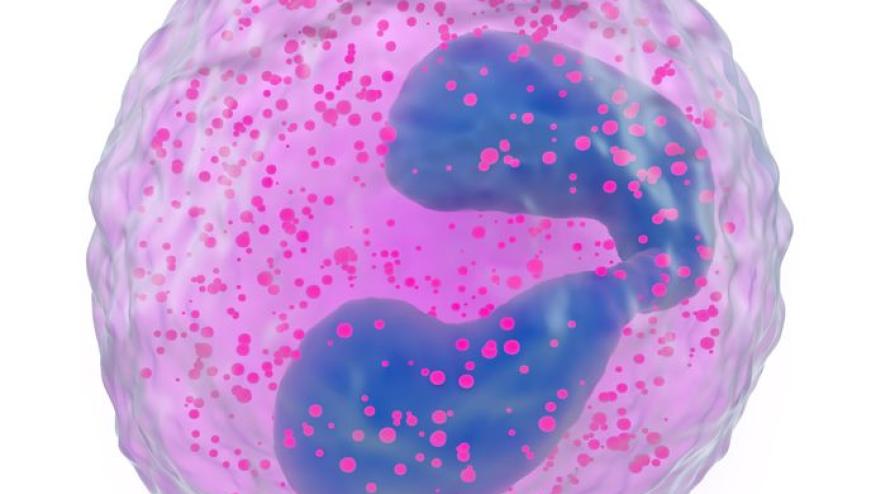
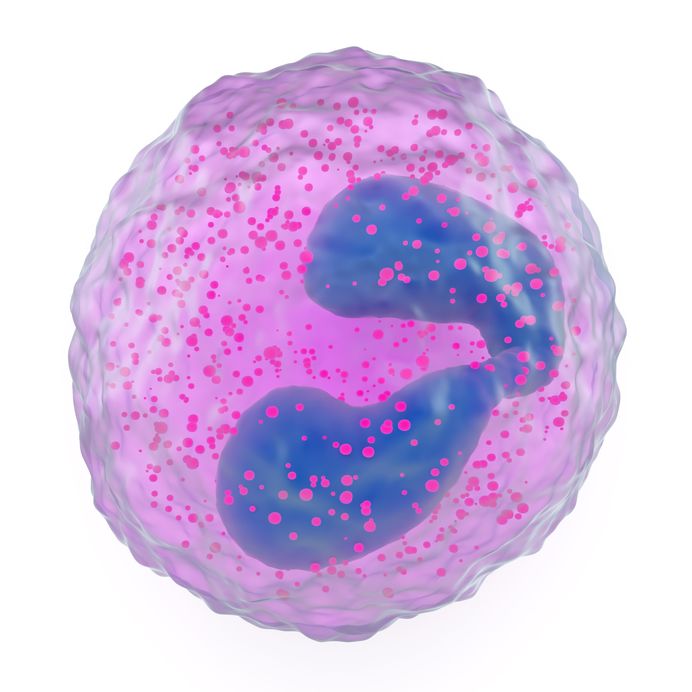
Eosinophilic granulomatosis with polyangiitis (EGPA) has long been managed by extrapolating results from microscopic polyangiitis (MPA) and granulomatosis with polyangiitis (GPA) clinical trials. But new insights into EGPA's has lead to advances in therapy and new treatment paradigms. This review in Nature discusses the main tenets of EGPA therapy.
Like MPA & GPA, the goals of EGPA are controlling initial organ damage and preventing relapse. But EGPA has the added challenge of chronic upper and lower respiratory tract involvement, allergic type 2 inflammations and risk of glucocorticoid dependence.
Glucocorticoids and cyclophosphamide remain unavoidable for severe, organ-threatening disease, and rituximab's role is more nuanced than hoped. Yet despite high efficacy, more than half of EGPA patients go on to develop persistent, glucocorticoid-dependent respiratory manifestations that conventional induction doesn't resolve — the therapeutic gap this review is built around.
A randomized controlled trial found rituximab was not superior to conventional immunosuppressive regimens for inducing or maintaining remission, though response rates were comparable. This tempers the extrapolation from ANCA-associated vasculitis literature, where rituximab has a well-established role, and argues against assuming equivalence across the AAV spectrum.
Attacking the IL-5 pathway is new and central EGPA management. Mepolizumab and benralizumab both have RCT-level evidence for inducing remission, controlling respiratory symptoms, preventing relapse, and — critically for long-term morbidity — facilitating glucocorticoid taper. Safety has been excellent, with only rare, generally mild adverse effects. Open questions remain around optimal positioning at diagnosis versus for relapsing disease, and long-term durability.
Ultra-long-acting anti-IL-5 agents (e.g., depemokimab), and therapies against TSLP, IL-33, and IL-13, are in prospective trials, alongside JAK inhibitors. Retrospective signals for relapsing respiratory symptoms are encouraging, but prospective efficacy and safety data are still pending — these remain investigational, not yet practice-ready.
Rheumatologists should consider anti-IL-5 therapy earlier in the disease course specifically as a glucocorticoid-sparing strategy, not just a rescue option.
Continue Reading
Related Content
ADD THE FIRST COMMENT
Disclosures
Disclosures
The author has no conflicts of interest to disclose related to this subject
The author used AI to research and organize this content, and maintains responsibility for its accuracy





If you are a health practitioner, you may Login/Register to comment.
Due to the nature of these comment forums, only health practitioners are allowed to comment at this time.