

Prednisone Primer for Patients Save

The Washington Post published a patient overview on "what Prednisone does to your body".
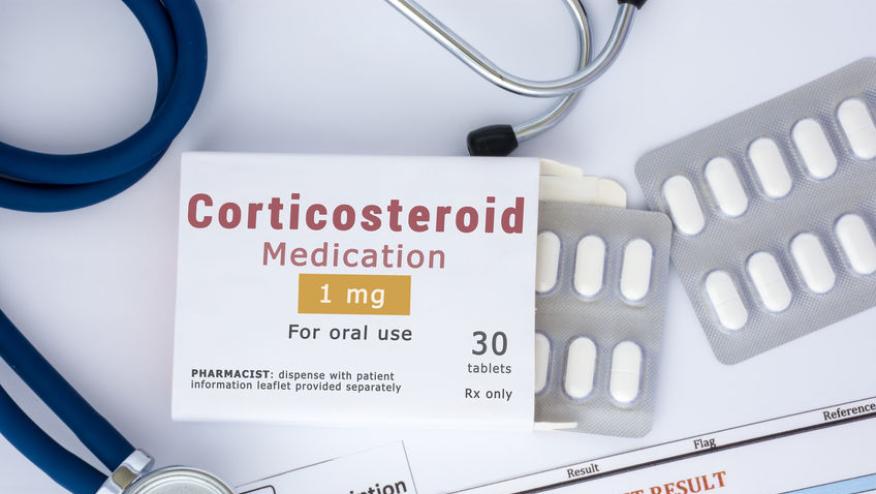
Prednisone is a double-edged drug. It has been on the market since 1955, ranks among the 40 most-prescribed US drugs, and about 10 million Americans receive it each year. It mimics cortisol and suppresses inflammation quickly, but because glucocorticoid receptors are ubiquitous, the drug effects most organ systems. Guidelines from the American College of Rheumatology (ACR) and American College of Gastroenterology (ACG) now favor steroid-sparing strategies, stating that steroids should only be used for "brief durations and low doses, if at all."
Immune benefits. Steroids (prednisone) are powerful antiinflammatory medication that work quickly - relief often comes within days, but it is temporary. Prednisone suppresses inflammation without treating the underlying cause, impairs tissue healing, and raises infection risk.
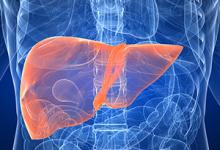
Metabolic effects. Hepatic glucose release, insulin resistance, and increased appetite cause hyperglycemia and weight gain. People with diabetes may need to start insulin or increase their dose. Use beyond about one month can redistribute fat centrally and dorsocervically, and fluid retention contributes to moon facies.
Neuropsychiatric effects. Mood changes and insomnia are common even with short courses, ranging from depression to euphoria or mania. Psychosis is rare and most likely at 40–60 mg/day.
Musculoskeletal effects. Bone density can fall after only 2–3 weeks. Prednisone suppresses osteoblasts, activates osteoclasts, and reduces calcium absorption, with the greatest risk in petite and postmenopausal women. Use for a month or more can cause proximal myopathy, which is usually reversible over weeks to months.
GI, skin, cardiovascular, and eye effects
- GI: Loss of prostaglandin-mediated mucosal protection raises dyspepsia and ulcer risk, especially when combined with NSAIDs.
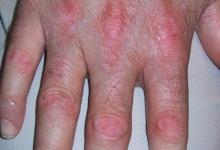
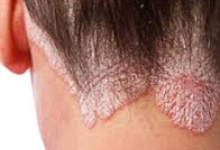
- Skin: Dermatologists describe rebound flares after withdrawal, steroid acne, delayed wound healing, and permanent atrophy and striae. Biologics and JAK inhibitors have largely replaced prednisone for eczema and psoriasis.
- Cardiovascular: Fluid retention, hypertension, electrolyte shifts, and hyperglycemia together raise MI and stroke risk, even at low doses.
- Eyes: Glaucoma can develop within days to weeks in susceptible patients, and cataracts occur with chronic use.
Discontinuation.
Courses of 2 weeks or less can generally be stopped abruptly after checking with a clinician. Longer courses need a taper over several weeks to avoid adrenal crisis. Tapering does not prevent the underlying disease from recurring, so patients with chronic conditions should start a non-steroid therapy during the taper.
This overview stresses short courses, low doses, and steroid-sparing therapy. It omits some points specialists would add, including dose-dependent risk thresholds (for example, ≤5 mg/day versus higher doses), bone prophylaxis for glucocorticoid-induced osteoporosis, PJP prophylaxis, and prednisone's continued role as bridging therapy in RA and in conditions such as PMR and GCA.
Continue Reading
Related Content

ADD THE FIRST COMMENT
Disclosures
Disclosures
The author has no conflicts of interest to disclose related to this subject
The author used AI to research and organize this content, and maintains responsibility for its accuracy



If you are a health practitioner, you may Login/Register to comment.
Due to the nature of these comment forums, only health practitioners are allowed to comment at this time.