


News
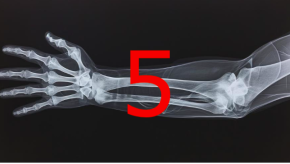
5 Fractures You Don’t Want to Miss
In orthopedic practice, missing the wrong fracture can significantly alter a patient’s outcome. Certain injuries may appear subtle on initial imaging yet carry serious consequences if not promptly recognized and managed. Below are five fractures that warrant a high index of suspicion due to their risk of displacement, nonunion, or long‑term degenerative change.
Reefer Madness (12.12.2025)
Dr. Jack Cush reviews the news, journal and regulatory reports from this past week on RheumNow.com. B cell drugs in SLE and ITP, biomarkers in GCA & PSS and great videos by APPs.

2025 Adult Rheumatology Fellowship Match is Strong (Again)
ACR
The American College of Rheumatology (ACR) announced today that 2025 Medicine and Pediatric Specialties Match results show rheumatology fellowship positions continuing to fill at high rates.

Metabolic Bone Pearls
Betsy Kirchner, DNP, shares practical tips for managing metabolic bone disease, including the importance of VFA imaging to catch asymptomatic vertebral fractures and utilizing fracture liaison services to close care gaps. She highlights key pearls like the doubled fracture risk in RA patients, ACR's risk stratification for glucocorticoid-induced osteoporosis, and a simple FRAX adjustment calculation that can improve treatment decisions.
Medical Cannabis for Pain Management
Recent research and publications have underscored the use, efficacy, safety and limitations to the use of cannabis for arthritis and pain patients.
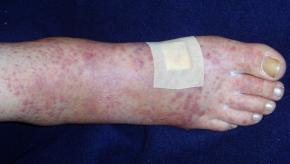
B Cell Targeting in Idiopathic Thrombocytopenic Purpura
EurekAlert!
The New England Journal of Medicine has published a phase III clinical trial showing that a B cell targeting monoclonal antibody, ianalumab, was effective in more than half of the patients with primary immune thromboc

I Can't Believe it's Not Seronegative Rheumatoid Arthritis?!
In rheumatology, we're no stranger to uncertainty. In any diagnosis of seronegative rheumatoid arthritis, it's always our invitation to reconsider the diagnosis.
British Society of Rheumatology Guideline for Monitoring DMARDs
The British Society of Rheumatology has published an update to their previous 2017 BSR/BHPR guideline regarding the use and monitoring of DMARDs (disease-modifying anti-rheumatic drugs) used to treat systemic autoimmune rheumatic diseases (SARDs).

The Essential Role of Physician Assistants in Rheumatology
Ready to bring a PA into your rheumatology practice? This blog post breaks down the key facts you need to know about PA training, scope of practice, and the recent changes to the profession's title.
APPs in the News (12.5.2025)
Dr. Jack Cush reviews the news and journal reports from RheumNow.com, including info on scleroderma, dermatomyositis and malignancy, rheumatologist and APP salary concerns.
Low Dose Naltrexone for Fibromyalgia Pain - Use it or Lose it?
Medscape recently reviewed off-label use of low dose naltrexone (LDN) in fibromyalgia (FM) and found it is deemed effective by some clinicians and patients, but 1) there is no FDA indication for LDN use in FM and 2) the data supporting its use is limited.
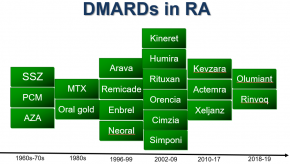
DMARD Treatment Lags for Minority Groups with Rheumatoid Arthritis
MedPage Today

Changing Loan Limits for Advance Practice Providers
The "One Big Beautiful Bill" (OBBB), or H.R. 1, was signed into law in July, calls for significant changes in the funding of healthcare education. This bill that lowers cap limits on education loans applies to graduate (APRN, PA) programs.

High Cost of Cancelling Knee Replacement Surgery
Thousands of NHS knee replacement operations are cancelled at short notice every year, many for avoidable reasons, according to a new study published December 1st. This costs the NHS millions of pounds and increases waiting times for patients, many of whom are in severe pain.

