ACR 2018 - Day 3 Report
Highlights from Tuesday, day 3 of the ACR Annual meeting in Chicago, included:
The PEXIVAS Study – 2x2 Trial of Plasma Exchange and Reduced Steroids in ANCA-Associated Vasculitis (AAV) - Abstract #2788

Search for Terms or Answers
Highlights from Tuesday, day 3 of the ACR Annual meeting in Chicago, included:
The PEXIVAS Study – 2x2 Trial of Plasma Exchange and Reduced Steroids in ANCA-Associated Vasculitis (AAV) - Abstract #2788
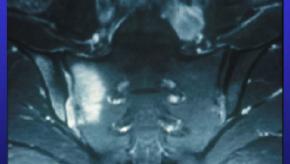
There have been a number of interesting posters and presentations covering the field of axial spondyloarthropathy. I’ve picked out a few points that I found particularly relevant.
Classification Criteria
Physicians as a group are trained to have excellent clinical skills, but the difference between an average and extremely successful physician often comes down to factors outside of their ability to provide clinical care.
Human NK cells express multiple receptors that interact with HLA class I molecules which, in turn, suppy peptides that bind HLA-E to form CD94/NKG2A NK receptor ligands.
Like most rheumatologists, I retain a deep and abiding love for methotrexate.
There are many avenues for interdisciplinary collaboration within rheumatology, as our specialty encompasses every organ system and diseases with protean manifestations.
Audio Highlights and Interviews from Day 2 at the ACR 2018 meeting - LISTE
Audio Highlights and Interviews from Day 1 at the ACR 2018 meeting - LISTEN HERE
Audio Highlights and Interviews from Day 2 at the ACR 2018 meeting - LISTEN HERE
Check out the first part of our Day 1 Podcast from ACR 2018 - LISTEN HERE
Monday afternoon's session on the treatment of Axial Spondyloarthritis presented us with a great selection of studies addressing important issues in modern treatment paradigm of AxSpA.
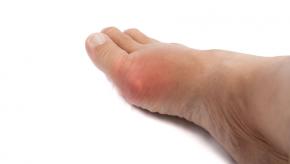
Pegloticase has become an excellent option for management of patients with chronic refractory gout, although treatment may be limited by the development of anti-drug antibodies that lead to loss of serum urate (sUA) lowering effect.
By downloading this material, I acknowledge that it may be used only for personal use and personal education and that I will accredit RheumNow.com as the source and owner of this material. Commercial use or mass reproduction of this material without permission from RheumNow (info@rheumnow.com) is prohibited.