


News

ICYMI: Glucocorticoid Injections in Knee Osteoarthritis
A randomized clinical trial of 60 patients found that glucocorticoid injections into the infrapatellar fat pad (IPFP) did not significantly reduce pain scores in patients with inflammatory knee osteoarthritis (compared to placebo).
Spotlight on Comorbidities from EULAR 2026
EurekAlert!
Systemic autoimmune diseases are associated with increased cardiovascular morbidity and mortality – possibly through autonomic imbalance, myocardial inflammation, or fibrotic infiltration of the conduction system. A team in Colombia have been looking into the risk of
ICYMI: EGPA Review
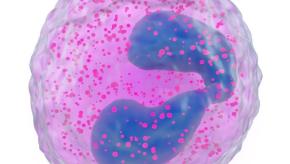
A current review of eosinophilic granulomatosis with polyangiitis (EGPA) provides current recommendations on diagnosis and management.
ICYMI: 2025 Update: EULAR Recommendations on Rheumatoid Arthritis Management
The European Alliance of Associations for Rheumatology (EULAR) has updated their rheumatoid arthritis (RA) management recommendations, notably with fewer recommendations (total of 9, down from 11 in 2022 version), by merging and removing previous recommendations.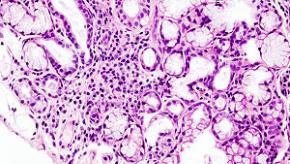
ICYMI: B Cells at the Brink in Sjögren Disease
A recent issue of Arthritis & Rheumatology reviews current understanding of the immunopathogenesis of Sjögren disease (SjD) and how that has influenced the quest for drug development for this most systemic autoimmune disorder.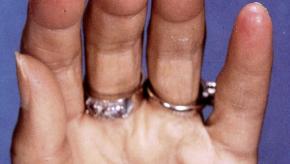
EULAR26: Reports on Systemic Sclerosis
EurekAlert!

Brenda McShan: The Creative Heart of RheumNow
A pivotal member of the RheumNow family, Brenda McShan, will be retiring with honors.

Generic Tofacitinib (6.26.2026)
Dr. Jack Cush reviews the news and journal articles from RheumNow.com. Updates on tofacitinib, CAR-T therapy and AI.

EULAR26: Updates in SLE and APS
EurekAlert!
Severe refractory systemic lupus erythematosus (srSLE) is a clinical state conceptualised as persistent high disease activity despite standard care with glucocorticoids and immunosuppressants.

Self-Directed Cognitive Behavioral Therapy for Chronic Pain
Is self-directed cognitive behavioral therapy (CBT) when augmented with asynchronous, personalized feedback for chronic pain (CBT-CP) superior to clinician-delivered CBT-CP?

2026 Guidelines for the Treatment of Axial Spondyloarthritis
ACR
New and updated clinical guidelines released today provide comprehensive, evidence-based recommendations for the management of axial spondyloarthritis (axSpA) for both adults and children.

EULAR26: Pitfalls in Treat-to-Target
EurekAlert!
Real-world or observational data from registries, claims datasets, or electronic health records can enable us to perform large-scale analyses.
2-Gene Blood Test for Kawasaki Disease in Febrile Children
JAMA Network Open has publshed that a simple 2-gene blood test may aid the earlier diagnosis of Kawasaki disease in children with febrile illnesses.
B cell Targeting in SLE
MedPage Today

