


Immune-Mediated Inflammatory Diseases Following Uveitis Save

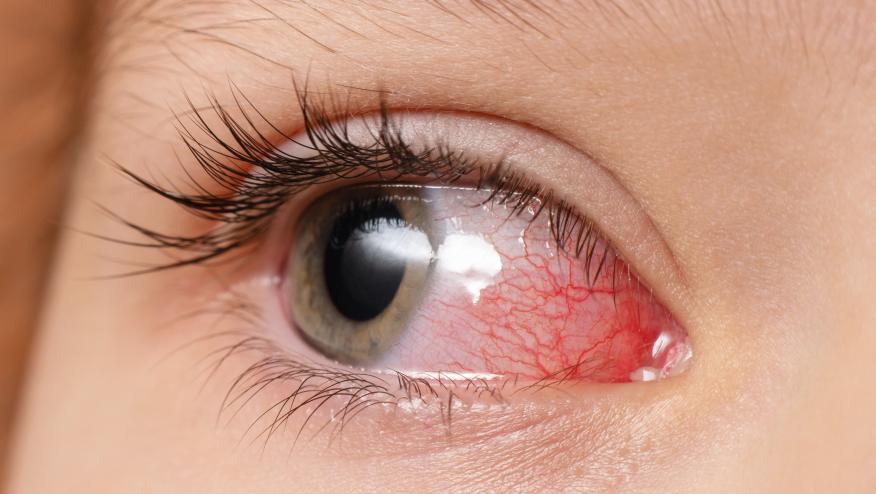
A Korean insurance claims data study showed children and adolescents diagnosed with uveitis have a 7-fold increased risk of developing an immune-mediated inflammatory disorder (IMID).
In this population-based cohort study of 27 656 pediatric patients with uveitis, the cohort had a 5-year cumulative incidence of 8.5% for IMIDs and a significantly higher risk compared with that of the general population.
Meaning, these findings suggest that pediatric patients with uveitis should be carefully monitored for diverse IMIDs, with attention to individual patient characteristics and risk profiles.
This population-based cohort study includes nationwide health insurance claims study included children and adolescents younger than 20 years who were newly diagnosed with uveitis between 2011 and 2022. They looked for the incidence of 13 predefined IMIDs and sex-adjusted standardized incidence ratios (SIRs) compared with the general pediatric population.
The study included 27 656 children and adolescents (mean age, 12.6 years; 58% males) with incident noninfectious uveitis and no prior IMID diagnosis or immunosuppressant use. The estimated 5-year cumulative incidence of composite IMIDs was 8.52% (95% CI, 8.16%-8.87%). Ankylosing spondylitis was the most frequently newly diagnosed IMID (2.53%).
Compared with the general pediatric population, the overall SIR for IMIDs was 6.78. Disease-specific SIRs were:
- sarcoidosis (444.48; 95% CI, 357.98-551.89)
- ankylosing spondylitis (68.9; 95% CI, 64.5-73.7)
- Behçet disease (66.3; 95% CI, 57.8-76.0)
Systematic and risk-stratified screening for IMIDs is warranted in pediatric patients with uveitis.
ADD THE FIRST COMMENT
Disclosures
Disclosures
The author has no conflicts of interest to disclose related to this subject






If you are a health practitioner, you may Login/Register to comment.
Due to the nature of these comment forums, only health practitioners are allowed to comment at this time.