


Articles By Jack Cush, MD

FDA Invites Open Commentary on Biosimilar Interchangeability
In January 2017, the Food and Drug Administration (FDA) released its draft guidance on the issue of interchangeability between biosimilars and originator biologic drugs. The window for your input will close on May 18, 2017. RheumNow encourages you to participate in this exercise and express your opinion.
Read Article
Drug Adherence is Problematic for All
The March 2017 issue of the ACP Internist has reviewed the ubiquitous practice of medication adherence.
Read Article
Is a Crisis in Physician Manpower Looming?
CNN has reported that changes in immigration policies is but one of many factors that may add to an existing doctor shortage. This and other events now begs the the question, why the federal government doesn't train more doctors in the US?
Read Article
AAOS: High Prevalence of Low-Value Interventions in Pre-Op Knee OA
The American Academy of Orthopaedic Surgeons announced five measures that inappropriately increase costs in those undergoing total knee replacement (TKR). Data was presented yesterday at the annual 2017 AAOS Annual Meeting in San Diego.
Read Article
Interns Can Now Work 24 Hour Shifts
The ACGME has revised its traing guidelines such that, starting July 1st, new interns are allowed to work shifts lasting as long as 24 hours, and as much as 28 hours according to a recent New York Times article.
Read Article
The UnderManagement of Gout
Most physicians believe they understand and can manage gout. Yet, the number of gout patients has risen at an alarming rate and the introduction of 4 new drugs has done little to close the education gap and improve the care and outcomes of gout patients. Misuse, misunderstandings and missed opportunities abound in the wide world of gout.
Read Article
EULAR Treat-to-Target Guidelines for Gout
Treat-to-target (T2T) works when they are pragmatic and conform well to daily practice. Gout is an ideal therapeutic area where T2T could be and should be applied.
Read Article
The RheumNow Week in Review – 10 March 2017
Dr. Jack Cush reviews news and highlights from the past week on RheumNow.com. Sign up at RheumNow.com to received daily or weekly news, blogs and tweets on all things rheumatology
Read Article
European Biologic Manufacturers Issue Warnings About Biosimilar Switching
Reuters has reported that European drugmakers have taken the tact of warning EU physician contemplating the switch from existing (originator) biologic therapy to newer, cut-rate biosimilar. Biosimilar use is widespread outside the USA.
Read Article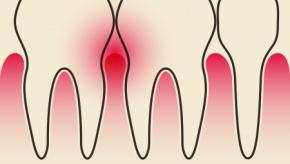
Oral Bacteria Driving ACPA and Rheumatoid Arthritis
The current JAMA has a perspective piece on the role of the oral microbiome in the pathogenesis and references a recent article by Konig et al on "Aggregatibacter actinomycetemcomitans–induced hypercitrullination links periodontal infection to autoimmunity in rheumatoid arthritis (RA)." (Citation
Read Article