
Article
Medicare beneficiaries were increasingly likely to have long-term opioid therapy stopped in recent years and medication changes often were abrupt, not tapered, an observational study showed.

Search for Terms or Answers
Medicare beneficiaries were increasingly likely to have long-term opioid therapy stopped in recent years and medication changes often were abrupt, not tapered, an observational study showed.

Dr. Jack Cush reviews and discusses the news and journal reports from the past week on RheumNow.com.

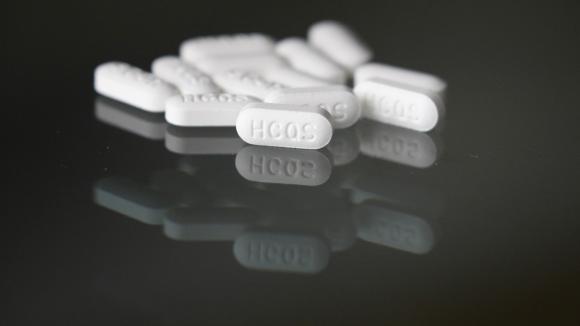
There is a preponderance and mounting evidence that hydroxychloroquine is ineffective in COVID-19 infection; and now the NEJM reports a the results of a trial where HCQ given as post-COVID exposure therapy failed to prevent SARS-CoV-2 infection or symptomatic Covid-19 in healthy persons.
The FDA has notified healthcare professionals of a safety alert concerning tofacitinib (Xeljanz), noting that preliminary results from a long-term safety clinical trial show an increased risk of serious heart-related problems and cancer with tofacitinib (compared to adalimumab) when given to
For a variety of reasons, the use of anti-malarials (chloroquine and hydroxychloroquine) rose dramatically in the pandemic; notable was the lack of proven benefit and the dramatic risk in reported adverse drug reactions (ADRs) associated with these drugs being used to treat SARS-CoV-2.

The infliximab biosimilar CT-P13, developed by Celltrion and marketed as Remsima has been approved by HealthCanad for subcutaneous (SC) use in all the indications for infliximab.



By downloading this material, I acknowledge that it may be used only for personal use and personal education and that I will accredit RheumNow.com as the source and owner of this material. Commercial use or mass reproduction of this material without permission from RheumNow (info@rheumnow.com) is prohibited.


