
Article
Dr. Jack Cush reviews news and highlights from the past week on RheumNow.com. Sign up at RheumNow.com to received daily or weekly news, blogs and tweets on all things rheumatology

Search for Terms or Answers
Dr. Jack Cush reviews news and highlights from the past week on RheumNow.com. Sign up at RheumNow.com to received daily or weekly news, blogs and tweets on all things rheumatology

The TNF inhibitor drug development trials have indirectly taught us that monoclonal antibody based TNFi was capable of retarding the recurrence of anterior uveitis (AU) in patients with ankylosing spondylitis (AS).
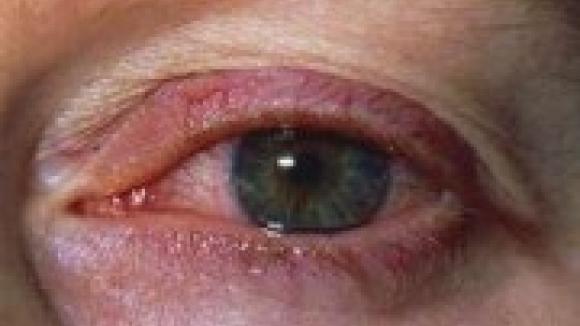
Dr Jack Cush reviews highlights from the news and journal articles appearing this week on RheumNow.com:

A recent article published by the American Academy of Ophthalmology presented new recommendations for screening of patients being managed with hydroxychloroquine that changed the previous monitoring paradigm. More importantly, it has repositioned hydroxychloroquine from one of the safest medications that rheumatologists use to a drug that can have potentially significant ocular morbidity (if used in doses greater than 5 mg per kilogram and or for prolonged periods of time).
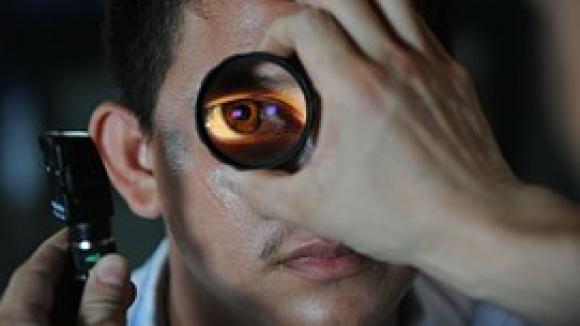
Rheumatologists may encounter patients with intermediate, posterior and pan-uveitis as part of certain rheumatic diseases such as Behcet’s, but more frequently may be called on to co-manage these patients with steroid sparing agents.
Dr. Jack Cush reviews news and journal reports from the past week on RheumNow.com.
It has long been observed that patients receiving monoclonal antibody based anti-TNF (TNFi) therapies for spondylitis or psoriatic disease have less inflammatory eye complications, such as uveitis. These agents have become common interventions based on these observational results.

Rheumatologists are well-acquainted with the rules for hydroxychloroquine (HCQ) retinopathy screening: A) annual visits to the ophthalmologist and B) maintain HCQ doses at less than 6.5 mg/kg to avoid retinopathy.
Dr. Jack Cush reviews highlights from this week's rheumatology news on RheumNow.com.
Autoimmune ophthalmic disease is a frequent challenge to rheumatologists from both a diagnostic and therapeutic perspective. Approved therapies are limited and have only been infrequently or comfortably utilized by rheumatologists and autoimmune ophthalmologists.
At the EULAR 2016 meeting, new EULAR recommendations for the management of Behçet's disease (BD) were presented.

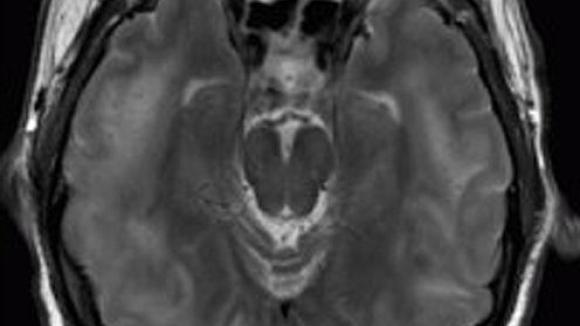
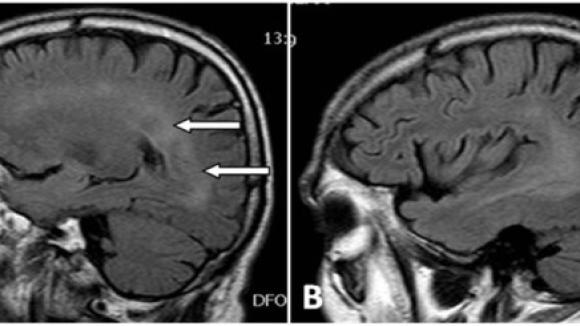
Posterior reversible encephalopathy syndrome (PRES) is a rare neurological disorder with many associations or causative factors that rarely includes autoimmune disorders and lupus.
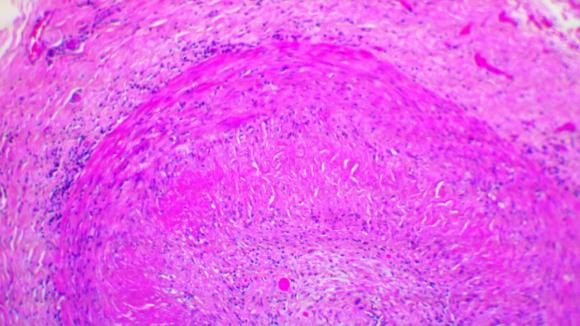
Patients with giant cell arteritis (GCA) had a higher rate of severe infections compared with the general population, a French study found.
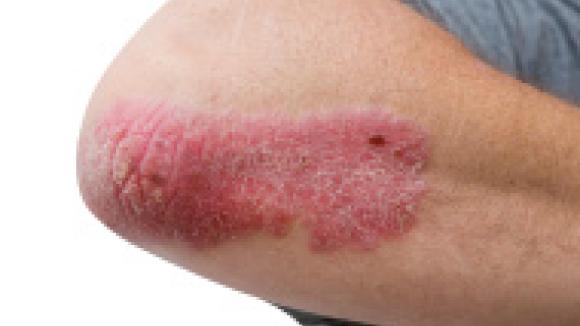
The number of patients with psoriasis who go on to develop psoriatic arthritis (PsA) is considerably higher than has previously been estimated, a prospective cohort study found.
Hydroxychloroquine (HCQ or Plaquenil) retinopathy is rare, but still a major concern among patients and prescribers.
Uveitis is a common association of juvenile idiopathic arthritis (JIA) that has previously been characterized by poor visual prognosis with limited options for effective treatment.
A Danish population, claims-based study studied the the associations between 74,129 patients with incident psoriasis and 13,114 with incident uveitis between 1997 and 2011.
A systematic review of treatments used in autoimmune chronic uveitis after failure of DMARDs and at least one TNF inhibitor identified few patients (12 children and 34 adults), and few trials examining rituximab (3), abatacept (3), tocilizumab (3), and 1 each with alemtuzumab and anakin
Demyelinating disorders are an uncommon complication of TNF inhibition and have been described with all TNF inhibitors but also with other biologics.
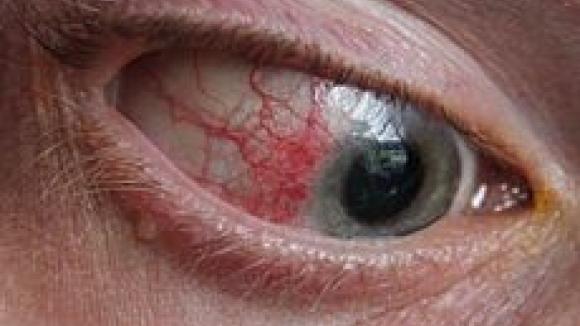
A retrospective review of 1285 US male veterans showed the prevalence of inflammatory eye disease to be 2%. Uveitis was most common (most being anterior uveitis), followed by keratitis, scleritis, episcleritis, and acute ischemic optic neuropathy.
By downloading this material, I acknowledge that it may be used only for personal use and personal education and that I will accredit RheumNow.com as the source and owner of this material. Commercial use or mass reproduction of this material without permission from RheumNow (info@rheumnow.com) is prohibited.

