
Article
Dr. Jack Cush reports from Madrid on several novel presentations from EULAR 2019.

Search for Terms or Answers
Dr. Jack Cush reports from Madrid on several novel presentations from EULAR 2019.

It was a full and lively 2nd day in Madrid with sessions dedicated to Lupus, RA, Sjogren’s, imaging, rare diseases, psoriatic arthritis and spondyloarthritis. Here are a few of the highlights from day 2 EULAR in Madrid

Here are a few of the highlights from day 1 EULAR in Madrid.

Many of the great presentations from EULAR 2019 feature industry sponsored clinical trials. Often these become the pivotal studies for regulatory approval and the annual congresses are their first look.

EULAR 2019 begins today in Madrid and features over 2000 presentations. After an initial review of titles and abstracts, I’ve compiled a hit list of presentations of interest to me and hopefully other practicing rheumatologists.

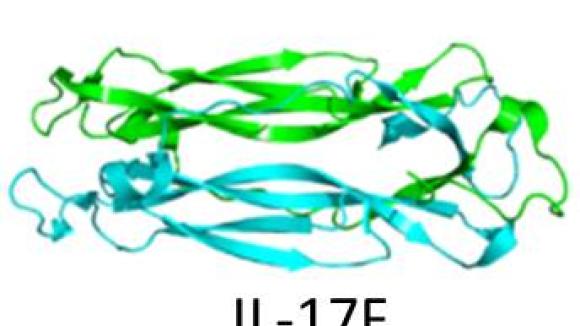
Interleukin 17 (IL-17) inhibitors are highly effective and FDA approved for use in psoriasis, psoriatic arthritis and ankylosing spondylitis. However, many of the initial trials were done in rheumatoid arthritis (RA) where it was projected to be effective, but was not. A recent metanalysis examines how effective IL-17 inhibition was in two RA populations: biologic-naïve or tumor necrosis factor inhibitor inadequate responders (TNF-IR).
Australian researchers have assessed the problem of exercise in ankylosing spondylitis (AS). After posing 10 questions to 11 experts they have provided evidence and consensus-based ecommendations on exercise in AS.

Dr. Jack Cush presents the news and best of rheumatology and medicine from the past week on RheumNow.com
A study of biologic-naïve patients with ankylosing spondylitis (AS) who started therapy with a tumour necrosis factor inhibitor (TNFi) shows that after 5 years only 46% are still on a TNFi and that some are able to lower the dose over time.

A study of osteoarthritis patients, finds that pain is the primary driver for health care utilization, and that the presence of insomnia or depression augments health care use.

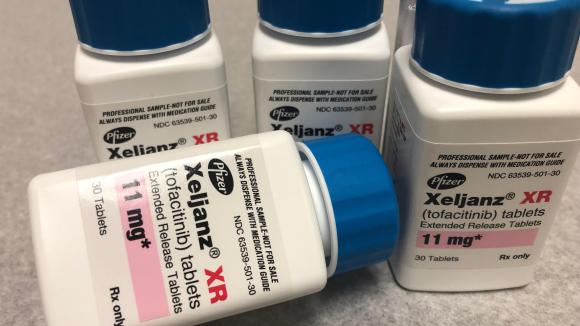
The Pharmacovigilance Risk Assessment Committee of the European Medicines Agency issued recommendations limiting the use of Xeljanz (tofacitinib) 10 mg twice daily in patients with ulcerative colitis in the EU.
The new recommendations are temporary while PRAC undertakes a review of all available evidence on the safety and efficacy of tofacitinib. The review follows warnings of an increased risk of pulmonary embolism (PE) and death from the U.S. Food and Drug Administration based on Pfizer's large post-marketing safety study (in high risk rheumatoid arthritis patients with one or more underlying cardiovascular risk factors) wherein those receiving in tofacitinib 10 mg twice daily in study A3921133 had more PE and mortalities than comparator groups (tofacitinib 5 mg bid or adalimumab).
Dr. Jack Cush reviews the news and journal articles from the past week on RheumNow.com
The FDA has published an industry guidance document to define interchangeability as regards to biosimilar use in the United States under section 351(k) of the Public Health Service Act (PHS Act) (42 U.S.C. 262(k)).

People with rheumatoid arthritis have a significant risk of developing interstitial lung disease (RA-ILD), yet there is often a question as to whether methotrexate (MTX) exposure can cause or worsen ILD. A controlled cohort study suggests that MTX use is not associated with an increased ris

JAMA Dermatology reports on a comparative cohort study of 107,707 psoriasis patients, finding a decreased risk of serious infections among users of apremilast, etanercept, and ustekinumab when compared with methotrexate.
MMWR reports that in 2017, one in four US adults have arthritis (range from 22.8% to 34.6%), with higher rates in Appalachia and Lower Mississippi Valley regions. Of those with arthritis, 31% reported to have "severe arthritis".

AbbVie has announced that the US FDA has granted the approval of Skyrizi (risankizumab-rzaa) for the treatment of moderate to severe plaque psoriasis.
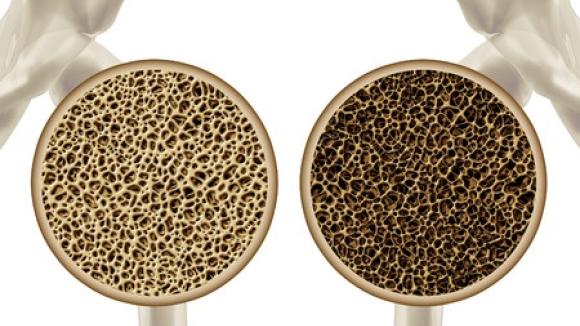
In October 2018, the National Institutes of Health (NIH) convened a workshop to address the "Appropriate Use of Drug Therapies for Osteoporotic Fracture Prevention"
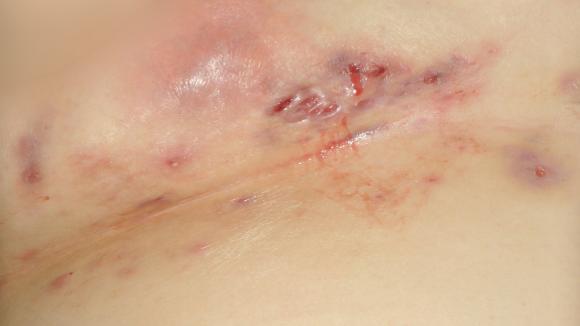
JAMA Dermatology reports that patients with hidradenitis suppurativa have significantly more comorbidities than do patients with psoriasis.
A study from the British Society for Rheumatology Biologics Register (BSRBR-RA) demonstrates that polypharmacy is a predictor of lower treatment responses and more serious adverse events (SAEs) in rheumatoid arthritis (RA) patients.

By downloading this material, I acknowledge that it may be used only for personal use and personal education and that I will accredit RheumNow.com as the source and owner of this material. Commercial use or mass reproduction of this material without permission from RheumNow (info@rheumnow.com) is prohibited.