

All News
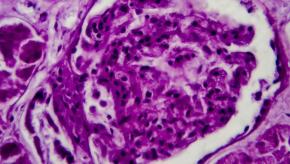
NOBILITY: a Trial of Obinutuzumab in Proliferative Lupus Nephritis
B-cell depletion therapy with obinutuzumab, a type II anti-CD20 monoclonal antibody, in lupus nephritis patients was shown to be effective in in combination with standard lupus therapies.
Read Article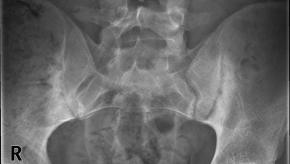
TICOSPA - Does Treat to Target Work in Spondyloarthritis?
Tight-control or treat-to-target (T2T) strategy is advocated in several diseases, but the recent TICOSPA trial in axial spondyloarthritis (axSpA) showed that T2T was not superior to usual care (UC).
Read Article
Are You a High or Low Glucocorticoid Prescriber?
A recent analysis shows thta glucocorticoids (GCs), usually recommended for short-term use in rheumatoid arthritis (RA), are variably used by rheumatologists, and that provider preference is a strong predictors of long-term glucocorticoid use.
Read Article
RheumNow Podcast – Quackademia (10.15.2021)
Dr. Jack Cush reviews the FDA approvals, news and the latest journal articles from the past week on RheumNow.com.
Read Article
2021 Update to EULAR Points on Immunomodulatory Use in COVID-19
EULAR has updated its recommendations (points to consider - PtC) for rheumatologists managing patients during COVID-19; now with 2 overarching principles and 12 PtC.
Read Article
Still’s Disease Following COVID-19 Vaccination
Both systemic onset juvenile idiopathic arthritis (sJIA) and adult-onset Still’s disease are acquired autoinflammatory disorders of uncertain etiology. Yet recent reports of AOSD onset and flare following COVID-19 vaccinations may have important mechanistic implications.
Read Article
Cancer Risk in Systemic Lupus Erythematosus
Bernatsky and colleagues have shown cancer risk factors in incident systemic lupus erythematosus (SLE).
Researchers analyzed an SLE cohort of 1,668 patients, over an average of 9 years follow-up and found 65 cancers: 15 breast; 10 nonmelanoma skin; 7 lung; 6 hematologic; 6 prostate; 5 melanoma; 3 cervical; 3 renal; 2 each gastric, head and neck, and thyroid; and, 1 each rectal, sarcoma, thymoma, and uterine cancers.
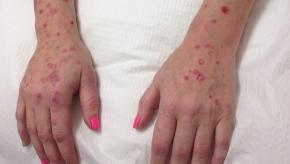
Abatacept After Ustekinumab Withdrawal in Active Plaque Psoriasis
A randomized controlled trial has shown that treatment of plaque psoriasis via costimulatory blockade ( CD28/B7) with abatacept did not prevent psoriasis relapse after withdrawal of ustekinumab.
Read Article
Hepatitis B Reactivation with Rituximab and Abatacept
Hepatitis B reactivation is an uncommon complication of biologic therapy use. Now, a serologic study of rheumatoid arthritis patients shows that HBV reactivation is seen with rituximab, and less so with abatacept, especially in patients without hepatitis B antibody (HBsAb) positiv
Read Article
RETRO - Taper or Not: You Decide
A prospective, phase 3 trial of rheumatoid arthritis (RA) patients in sustained remission has shown more than half will flare if disease-modifying antirheumatic drugs (DMARD) therapy is tapered or discontinued and that remission is best maintained by continued DMARD therapy.
Read Article
RheumNow Podcast – #ACA: Ask Cush Anything (10.8.2021)
Arthritis numbers are rising, and people are finally talking about osteoarthritis. Also, ACR 2021 is just a few weeks away - are you ready? Finally, I'll review cases and questions submitted by viewers in Ask Cush Anything (#ACA). This, and nearly a dozen news items and reports, are discussed in this week's podcast. Let's begin.
Read Article
Clinical Associations with Myositis Antibodies
While myositis-specific autoantibodies (MSAs) and myositis-associated autoantibodies (MAAs) may have prognostic value through their clinical associations, many patients will not have them and overall, they are poorly predictive of a malignancy risk.
Read Article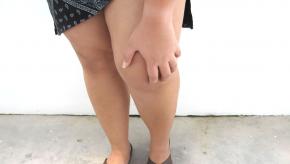
Prevalence of Arthritis Rising in the USA
The latest CDC estimates of the national prevalence of arthritis and arthritis-attributable activity limitations (AAAL) show a continued increase in absolute number: 58.5 million (23.7%) U.S. adults have arthritis, 25.7 million (43.9%) of whom have AAAL.
Read Article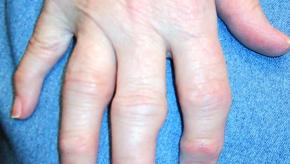
Erosive Hand Osteoarthritis Portends Worse OA
An erosive hand osteoarthritis (EOA) study from the Osteoarthritis Initiative shows that EOA is more common in older women and is strongly linked to further progressive, articular structural damage.
This was a longitudinal cohort study of 3,365 individuals without prevalent erosive hand OA at baseline.
Pathways to a Psoriatic Arthritis Diagnosis
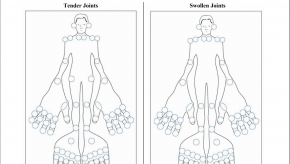
Ogdie and colleagues have retrospectively analyzed a longitudinal cohort of psoriatic arthritis (PsA) patients, showing that only two-thirds of PsA are diagnosed by rheumatologists, PCPs and dermatologists, with significant differences in what preemptive symptoms were noted by different subspecialties.
Read Article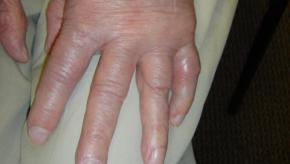
Malnutrition and Quality of Life in Elderly RA Patients
Rheumatoid arthritis (RA) imparts a significant disabilty and quality of life (QoL) limitations worsened by aging, but also by malnutrition.
Read Article
Lupus Frailty Index Predicts Organ Damage
Patients with longstanding systemic lupus erythematosus (SLE) who were considered frail were more likely to accrue disease damage over time, a secondary analysis of data from a Chicago lupus cohort found.
Read Article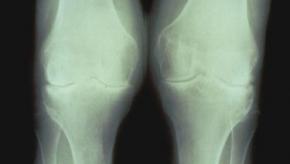
AAOS Clinical Practice Guideline for Knee Osteoarthritis
The American Academy of Orthopaedic Surgeons has published their Clinical Practice Guideline for Management of Osteoarthritis of the Knee (Non-Arthroplasty); updating 19 of the 29 evidence-based recommendations and focuses on nonsurgical treatmentss to provide pain and patient function.
Read Article
Obesity Rates Rise During the Pandemic
New data from the Centers for Disease Control and Prevention shows that obesity rates have risen in the USA during the pandemic. Sixteen states have obesity rates of 35% or higher - that's four more than last year, adding Delaware, Iowa, Ohio and Texas to the list.
Read Article
