
Article
The usual risk factors for myocarditis may not apply to who gets it while on immune checkpoint inhibiting cancer drugs, an FDA adverse event database suggested.

Search for Terms or Answers
The usual risk factors for myocarditis may not apply to who gets it while on immune checkpoint inhibiting cancer drugs, an FDA adverse event database suggested.
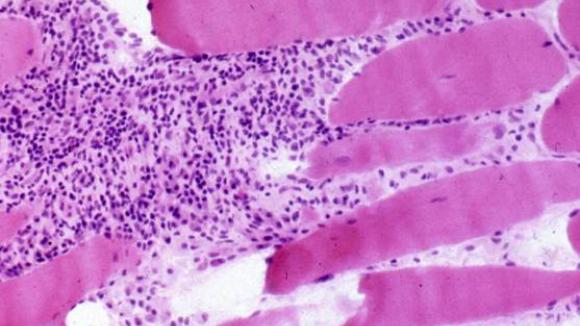
The FDA has approved the IL-17A inhibitor Taltz (ixekizumab) for the treatment of adults with active ankylosing spondylitis (AS: also known as radiographic axial spondyloarthritis).
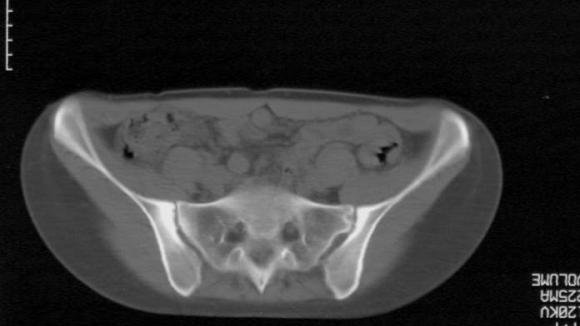
The American College of Rheumatology (ACR), in partnership with the Spondylitis Association of America (SAA) and the Spondyloarthritis Research and Treatment Network (SPARTAN), released the 2019 Update of the Recommendations for the Treatment of Ankylosing Spondylitis (AS) and Nonradiographic Axi

Dr. Jack Cush reports on the news and journal reports from the past week on RheumNow.com, including: how your genetics may shape your microbiome; GERD as a risk factor for TMJ?; how can MDA-5+ dermatomyositis be any worse; new drug happenings; StillsNow.com; and more.

A study from Leeds suggests 'multi-dimensional remission' (MDR) can be seen in one-third of RA patients achieving DAS28-remission; such patients have better patient-reported outcome measures, making it an optimal goal, especially from a patient's perspective.
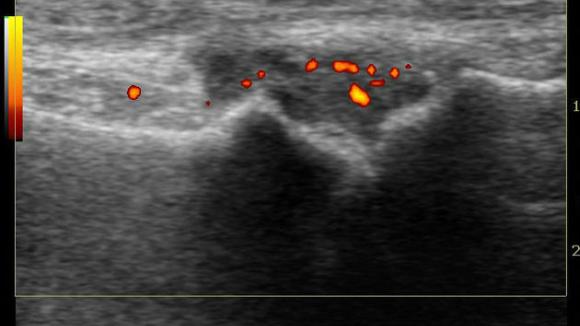
Osteoporosis treatments were not linked with reduced overall mortality, according to a meta-analysis of placebo-controlled trial data.
A study of pregnancy outcomes in 98 women with juvenile idiopathic arthritis (JIA) who were exposed to DMARDs shows no increased risk of major adverse pregnancy outcomes.
Immunologic remission in rheumatoid arthritis, defined as the disappearance of anti-citrullinated protein antibodies and rheumatoid factor, was seen infrequently among patients achieving sustained clinical remission and did not correlate with the disappearance of symptoms, a long-term Dutch study found.

A head-to-head trial has shown that risankizumab was significantly superior to adalimumab in providing skin clearance (PASI90) in patients with moderate-to-severe plaque psoriasis, with no difference in safety signals between the two agents.

The US Food and Drug Administration (FDA) on Friday, August 16, approved AbbVie JAK1 inhibitor, Rinvoq (upadacitinib) for adults with rheumatoid arthritis with moderately to severely active disease either not responding to, or intolerant of, methotrexate (MTX).

Dr. Jack Cush reports the news and important journal articles from the past week on RheumNow.com.
The German National Database (NDB) has reviewed their experience in the care and quality of life of inflammatory rheumatic disease patients snce 1993, showing improved use of metrics, improved outcomes and a changing profile of biologic and anti-rheumatic drug use.

Among patients with pre-existing autoimmune diseases who developed cancer and were treated with immune checkpoint inhibitors (ICI), flares of the underlying disease and other immune-related adverse events were common, a retrospective study conducted in France showed.

The Journal of Bone and Mineral Research (JBMR) has published a report showing that a reduction in the rate of bone loss by nitrogen bisphosphonates was associated with a 40% lower mortality risk.

A longitudinal study from the BRASS registry shows that increase rheumatoid arthritis disease activity increases the risk of RA-associated interstitial lung disease (RA-ILD).
RA patients without RA-ILD at baseline, enrolled in the Brigham RA Sequential Study (BRASS, 2003–2016), were followed from 2003-2016 with serial clinical, DAS28, serologic and imaging assessments.

NSAIDs have been linked to an increased risk of cardiovascular disease, but does this also hold for osteoarthritis (OA) patients.

Dr. Jack Cush reviews the news and journal reports from the past week on RheumNow.com, including new SLE criteria, ULT in gout and MSU reductions, IVIG in ANCA vasculitis and non-TNF biologics outperform the TNF inhibitors.
A NEJM report shows that the use of vitamin D3 supplementation (4000 IU per day) in those without diabetes or vitamin D deficiency failed to significantly lower risk of type 2 diabetes (compared to placebo).

We have options that are endless – we have 28 biologics in rheumatology; 19 approved for RA in the last 20 years, but 15 of these are me-too copies or biosimilars. We currently have 2 JAK inhibitors and may have 3 or 4 by year end. But what we really need is the right drug, at the right time, in the right patient – but how will we know.

Current ACR and EULAR guidelines list TNF-inhibitors (TNFi) abatacept, rituximab, and tocilizumab as being equally effective after methotrexate or as second line therapies when treating rheumatoid arthritis.

By downloading this material, I acknowledge that it may be used only for personal use and personal education and that I will accredit RheumNow.com as the source and owner of this material. Commercial use or mass reproduction of this material without permission from RheumNow (info@rheumnow.com) is prohibited.

