Article
A group of researchers from the Graduate School of Medicine at Nagoya University in Japan have discovered the impact of microRNA (miRNA) on inflammation in lupus in mice.

Search for Terms or Answers
A group of researchers from the Graduate School of Medicine at Nagoya University in Japan have discovered the impact of microRNA (miRNA) on inflammation in lupus in mice.

Dr. Jack Cush reviews this week’s journal articles, focuses on studies that should not have been done and responds to viewer questions in Ask Cush Anything.

A great study of a recently described rheumatologic/hematologic disorder VEXAS (vacuoles, E1-ubiquitin-activating enzyme, X-linked, autoinflammatory, somatic) syndrome recently appeared in JAMA, describing the frequency and presentations of UBA1 variant.

Nearly all available vaccines can be given to people with rheumatologic diseases, according to a new, detailed guideline from the American College of Rheumatology (ACR), though the timing for their administration and dosing of antirheumatic drugs may need adjustment in some cases.

Certain T cells can secrete cytokines that are normally part of the innate immune system, as researchers from the Leibniz Institute for Natural Product Research and Infection Biology (Leibniz-HKI) and an international research team discovered.

2022 was a year of recovery, discovery, and some losses. While still dealing with the aftermath of COVID-19, rheumatologists were resilient as leaders for their patients and research in advancing rheumatologic care.

Many Americans think of gout as a disease from a bygone era, akin to rickets or scurvy. The condition commonly afflicted the rich and royal, including American historical figures such as Benjamin Franklin and Thomas Jefferson.

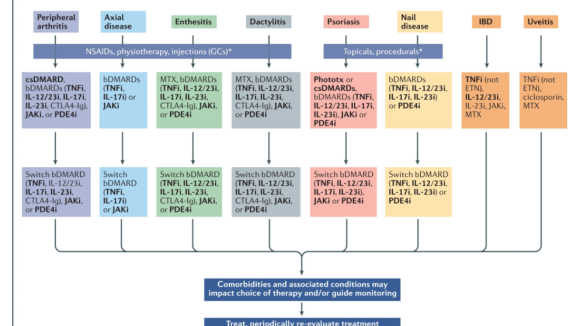
The GRAPPA (Group for Research and Assessment of Psoriasis and Psoriatic Arthritis) treatment recommendations have been updated and the 2021 evidence-based guidance is rich in treatment recommendations based on the key disease "domains" - peripheral arthritis, axial disease, enthesitis, dactylitis, skin and nail psoriasis; with new PsA related domains uveitis and inflammatory bowel disease.
Mehta et al have published a full read review of managing interstitial lung disease (ILD) in patients with inflammatory myopathies, a heterogeneous group of syndromes connected by ILD and and increased morbidity and mortality risk.

A new study has shown that restoring the balance of a protein in blood may be a promising treatment option for systemic lupus erythematosus.

Hidradenitis suppurativa (HS) (also called acne inversa), is a chronic inflammatory skin disorder affecting apocrine gland-bearing skin in the axillae, groin, and under the breasts and is characterised by

A survey of 317 carers and clinicians focused on psoriatic arthritis has set an agenda of the top 10 research questions for psoriatic arthritis (PsA).
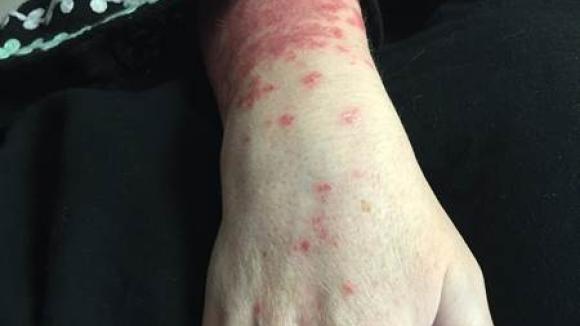
The Infectious Diseases Society of America has recently updated its recommendations with regards to the treatment of severely ill, hospitalized COVID-19 infected patients and also about the appropriate use of anti-IL-6, JAKs and colchicine.
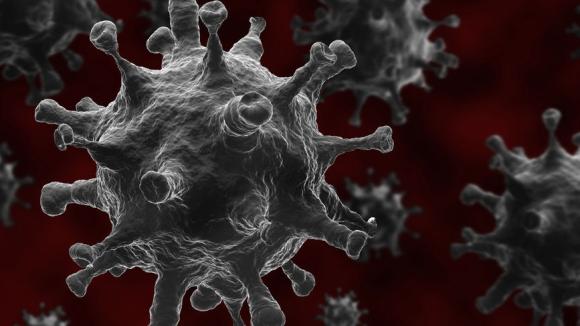
There is a large, unmet need in treating Sjögren’s syndrome, yet a new randomized clinical trial has shown that low-dose interleukin 2 (LD-IL-2) was effective effective and well tolerated in patients with primary Sjögren’s syndrome (pSS), with evidence of restored immune balance.
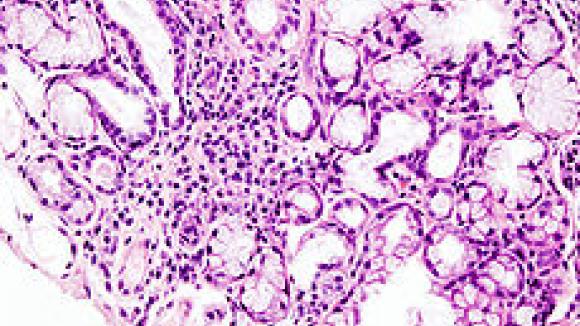
Vaccine efficacy remains an important and highly discussed topic at this year’s annual meeting given the ongoing COVID-19 global health crisis, current influenza season, and recently published 2022 ACR guidelines for vaccinations in patients with rheumatic and musculoskeletal diseases.

Today's plenary session features a novel proposal on how and which patients with Idiopathic Inflammatory Myopathy (IIM) should be screened for cancer. Abstract 0002 by Oldroyd et al, entitled "Cancer Screening Recommendations for Patients with Idiopathic Inflammatory Myopathy" took on this thorny practice issue.
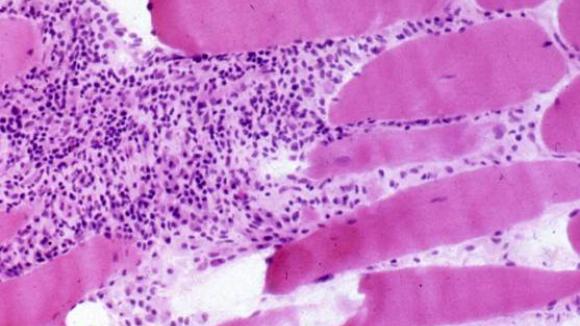
Type I interferon (IFN) is a powerful immune activator that is present at high levels in the majority of patients with lupus, an autoimmune disease.

Winthrop and colleagues have reviewd the occurrence of opportunistic infections (OIs) associated with the use of Janus kinase (JAK) inhibitors in patients with rheumatoid arthritis (RA), showing that Herpez zoster (HZ) was the most common OI reported with JAK inhibitors in clinical trials, althou
Dr. Jack Cush reviews the news and journal articles from this past week on RheumNow.com. New regulatory decisions about JAK inhibitors and why do women with rheumatic diseases have unfair outcomes?
By downloading this material, I acknowledge that it may be used only for personal use and personal education and that I will accredit RheumNow.com as the source and owner of this material. Commercial use or mass reproduction of this material without permission from RheumNow (info@rheumnow.com) is prohibited.