Article
Dr. Cush reviews the RheumNow.com highlights in rheumatology for the week ending 19 August 2016.

Search for Terms or Answers
Dr. Cush reviews the RheumNow.com highlights in rheumatology for the week ending 19 August 2016.
People with hyperuricemia who followed the blood-pressure-lowering DASH diet showed significant decreases in serum urate levels, post-hoc analysis of data from an influential randomized study found.
In the Dietary Approaches to Stop Hypertension (DASH) study, participants adhering to the diet, which emphasizes the consumption of vegetables, fruits, and low-fat dairy foods as well as whole grains, poultry, fish, and nuts, had a mean decrease in serum urate levels of -0.35 mg/dL (95% CI -0.65 to -0.05), according to Stephen P. Juraschek, MD, PhD, of Johns Hopkins University, and colleagues.
A EULAR task force of 24 individuals (including 15 rheumatologists) have updated their previous 2006 guidelines for gout. The current update, which includes 11 recommendations, is based on a systematic literature review and a Delphi consensus approach to recommendations.
Dr Jack Cush reviews this week's highlights from RheumNow.com.
Dr. Jack Cush reviews highlights from the news and social media in the past week on RheumNow.com
While hyperuricemia is linked to gout and many of the elements that make up the metabolic syndrome, it's not so clear that hyperuricemia is an independant risk factor for hypertension, diabetes, cardiovascular outcomes, etc.
JAMA has reported the results of an 18-year National Inpatient Sample, a database of US non-federal hospitalizations.

This week's highlights from RheumNow.com include:
Good news for gout patients includes the recent approval of Zurampic (lesinurad), a URAT-1 inhibitor, and that effective urate-lowering therapy has significant long-term cardiovascular benefits.
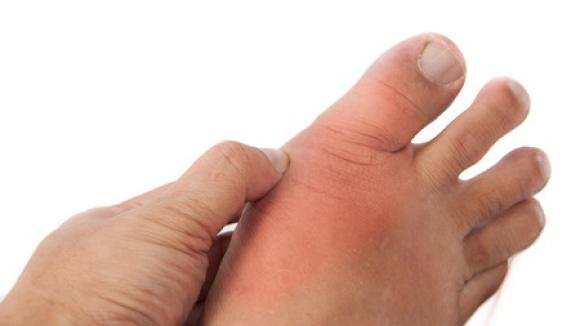
Dr. Jack Cush reviews this week's news and research highlights from RheumNow.com.
Two recent surveys show that gout patients are often uninformed, undertreated, improperly monitored and frequently stigmatized by their gout.

Choi and colleagues analyzed US hospitalizations (2009–2013) to assess the frequency and racial distribution of patients hospitalized with Stevens-Johnson Syndrome (SJS) and Toxic Epidermal Necrolysis (TEN) related to the use of urate-lowering (ULT) therapy (predominantly allopurinol).
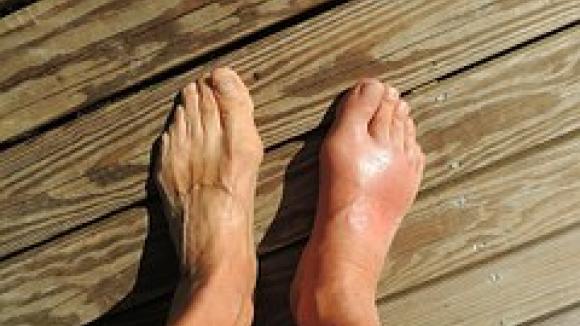
In March 2016, RheumNow published 82 social media “tweets” regarding news, research and teaching points that impact the rheumatology community. These feeds had a reach (impressions) of 86,400 with, 76 mentions, and over 2700 visits to learn on RheumNow.com.

Dr. Jack Cush reviews the rheumatology highlights from the news, media, and journals from this past week:
A recent report from the United States Bone and Joint Initiative (USBJI) estimates that 126.6 million Americans (one in two adults) are affected by a musculoskeletal (MSK) condition; a number on par with the number of Americans living with a chronic lung or heart conditions.

Powell et al have published in Lancet a review of hemochromatosis; its genetics, pathogenesis, clinical manifestations and management.
Diuretics are frequently implicated causes of hyperuricemia and gout. And there are gout variants wherein age, renal dysfunction and diuretic use may give rise to gouty attack in the hands of women with nodal osteoarthritis.
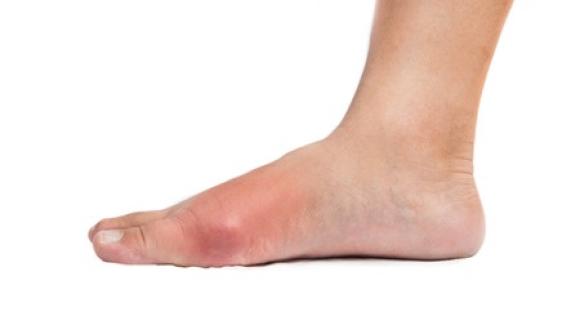
Highlights from this week at RheumNow.com:
The ACR is inviting members and rheumatologists to comment on their proposal to develop recommendations for the "Perioperative Management of Rheumatic Disease Medications in Total Joint Arthroplasty of the Hip and Knee".

An emergency department based study evaluated the efficacy and safety of oral prednisolone versus indomethacin in 416 patients with acute gout in a multicenter, double-blind, randomized trial.
By downloading this material, I acknowledge that it may be used only for personal use and personal education and that I will accredit RheumNow.com as the source and owner of this material. Commercial use or mass reproduction of this material without permission from RheumNow (info@rheumnow.com) is prohibited.