
Article
This week on the Podcast Dr. Jack Cush reviews the news and journal articles, including the risks of dying, developing RA or autoimmune disease!

Search for Terms or Answers
This week on the Podcast Dr. Jack Cush reviews the news and journal articles, including the risks of dying, developing RA or autoimmune disease!

Opportunistic and chronic infections may be rare and are often difficult to diagnose, especially in patients with autoimmune inflammatory rheumatic diseases (AIIRD), that may be immunocompromised.

A cohort study analyzed the risk of venous thromboembolism (VTE) in dermatomyositis (DM) patients treated with intravenous immunoglobulin (IVIG).
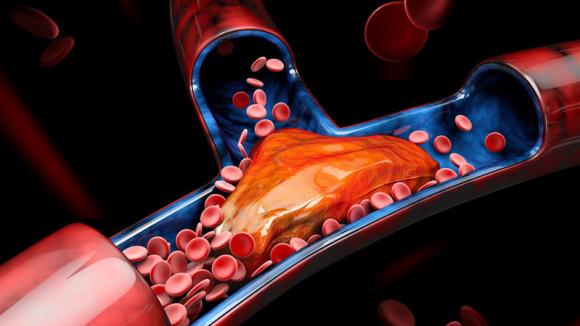
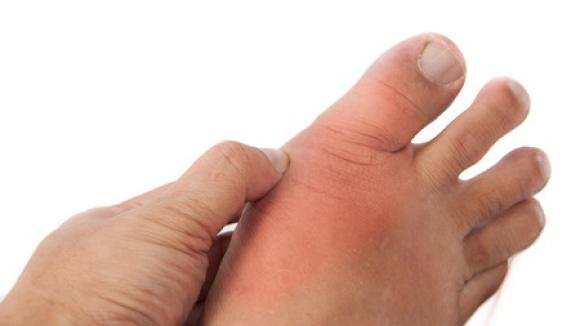
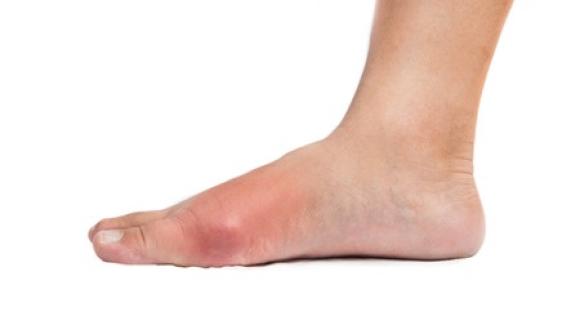
Researchers from Harvard have reported their analysis showing that the large increase in colchicine cost in 2010 was associated with an immediate decrease in colchicine prescription use, with a 10 year increase in emergency department and rheumatology gout visits suggesting poorer gout control.
Dr. Jack Cush reviews the news and journal reports and addresses 3 viewer case questions.
The British Medical Journal has publish a matched cohort analysis demonstrating that adults receiving denosumab had a lower risk of incident type 2 diabetes (NIDDM) compared with those taking oral bisphosphonates for osteoporosis.

Two independent data sets suggests the prevalence of gout among Asians has grown such that this sub-population has numerically surpassed all other racial and ethnic groups by 2018.
A systematic review of published literature on psoriatic arthritis (PsA), clinical features, disease activity, and patient-reported outcomes (PROs) shows generally higher levels of disease activity in women, compared to men with PsA.
Amgen Inc convinced a U.S. appeals court on Wednesday to uphold patents that bar generic versions of its blockbuster psoriasis drug Otezla proposed by Zydus Pharmaceuticals and Novartis AG's Sandoz Inc until 2028.

For patients with uncontrolled gout, estimated glomerular filtration rate (eGFR) remained stable with combination pegloticase (Krystexxa) and methotrexate treatment, researchers reported.
Lancet Rheumatology has published a retrospective analysis showing patients receiving immune checkpoint inhibitors (ICI) for cancer have the same outcomes (mortality and severe immune-related adverse events (irAEs)) even when they have pre-existing rheumatoid arthritis (RA).

Dr. Jack Cush reviews the news and journal articles from the past week on RheumNow.com, including Rheumatology success in the NRMP MATCH, Cocaine vasculitis and worrisome safety risks with Biologics and tsDMARDs.
A new Swedish ARTIS registry study of key safety outcomes in rheumatoid arthritis (RA) patients receiving either targeted synthetic or biological disease-modifying antirheumatic drugs (b/ts DMARDs, including Janus Kinase inhibitors (JAKi)), has been updated and affirms previously held risks.

A retrospective study of cancer patients who developed immune checkpoint inhibitor-associated inflammatory arthritis (ICI-IA) shows that biologic DMARDs were more effective than conventional synthetic DMARDs (csDMARDs) in rapid control of arthritis.
A prospective, cross-sectional analysis of patients with rheumatoid arthritis (RA) shows those with interstitial lung disease (ILD) tend to be older, obese and have a smoking history.

The EMA has updated recommendations regarding the use of JAK inhibitors by issuing a direct healthcare professional communication summarizing the data and warnings regarding an increased risk of malignancy, major adverse cardiovascular events (MACE), serious infections, VTE, and mortality in some patients receiving JAKi for the treatment of chronic inflammatory disorders.

Does serum urate elevation differ with different types of alcohol consumption? A Japanese study shows beer and wine was associated with high and moderate increases in uric acid but less so with sake.

A number of new reports this month shed new light on old issues in Gout.
Analysis of commercial insurance claims suggests that patients with asthma or atopic dermatitis have a significantly increased risk of osteoarthritis.
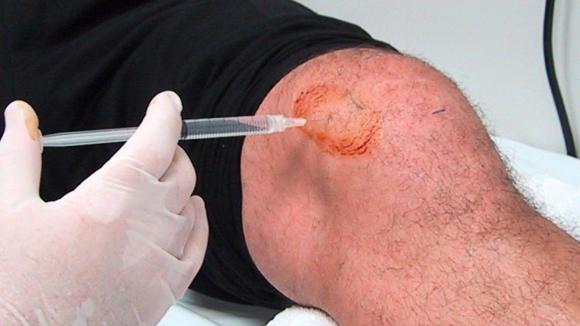
Physicians accepting payments from drug and device companies administered significantly more hyaluronic acid (HA) injections to Medicare beneficiaries for knee osteoarthritis, researchers found.
By downloading this material, I acknowledge that it may be used only for personal use and personal education and that I will accredit RheumNow.com as the source and owner of this material. Commercial use or mass reproduction of this material without permission from RheumNow (info@rheumnow.com) is prohibited.