


Efficacy of 6 Weeks Antibiotics with Prosthetic Joint Infections Save

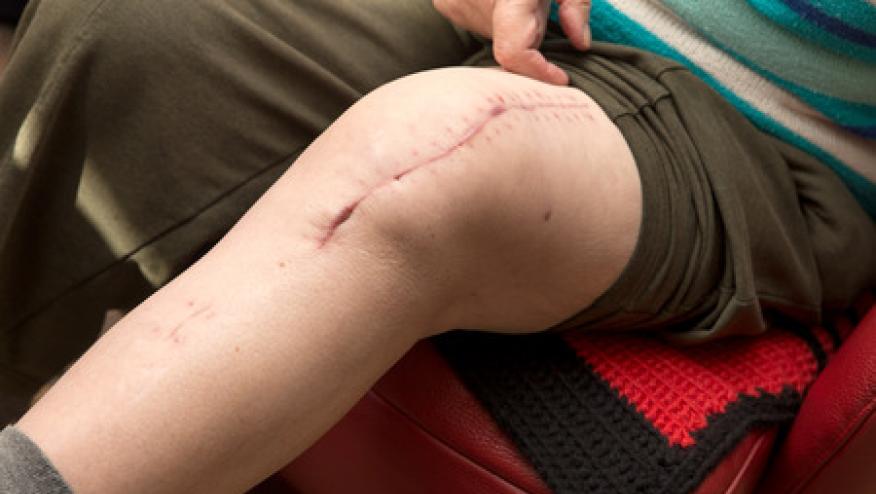
The NEJM has published the results of a French multicenter study showing that prosthetic joint infections can be successfully managed with 6 weeks of antibiotic therapy; this was noninferior and had better outcomes compared to 12 weeks of antibiotic therapy.
Prosthetic joint infections (PJI) are usually managed with a combination of surgery and antimicrobial therapy. However, the optimal duration of antimicrobial therapy is often debated.
A multicenter, trial of 410 patients, with microbiologically proven PJI, were randomized to treatment with 6 weeks (205 patients) or 12 weeks (205 patients) of antibiotic therapy. This was an open-label, randomized, controlled, noninferiority trial. The primary outcome was persistent infection at 2 years after the completion of antibiotic therapy. Noninferiority (6 weeks vs 12 weeks of therapy) as not greater than 10 percentage points.
Persistent infection at 2 years:
- 6-week group - 18.1%
- 12-week group - 9.4%
- Thus, the risk difference was 8.7 percentage points (95% confidence interval, 1.8 to 15.6); noninferiority was not shown.
These patients had microbiologically confirmed prosthetic joint infections and were managed with standard surgical procedures. Antibiotic therapy for 6 weeks was not shown to be noninferior to 2 weeks of antibiotic therapy. and resulted in a higher percentage of patients with unfavorable outcomes.
A 2019 study from Lancet Infectious Disease, looked at risks for PJI amongst 679,010 primary knee replacements done in the UK between 2003 and 2013. After a median of 4.6 years, there were 3659 revision surgeries attributed to PJI. Below are several selected, significant risk factors:
- Male sex (RR1·8)
- Younger age (RR for age ≥80 years vs <60 years 0·5)
- Elevated body-mass index (BMI; RR for BMI ≥30 kg/m2 vs <25 kg/m2 1·5)
- Inflammatory arthropathy (RR 1·4)
- Connective tissue and rheumatic diseases (RR 1·5)
- COMORBIDITIES: Chronic pulmonary disease (RR 1·2); Diabetes (RR 1·4); Liver disease (RR 2·2); Peripheral vascular disease (RR 1·4)
- Surgery for trauma (RR 1·9)
- Previous septic arthritis (RR 4·9)
- Operation under general anesthesia (RR 1·1)
- Tibial bone graft (RR 2·0)
Identifying modifiable factors and enacting proactive targeted interventions or strategies may help to reduced risk of revision for prosthetic joint infection.
Continue Reading
More ACR Coverage:
Join The Discussion
You have misread/misunderstood the results of this article.
Disclosures
Disclosures
The author has no conflicts of interest to disclose related to this subject




If you are a health practitioner, you may Login/Register to comment.
Due to the nature of these comment forums, only health practitioners are allowed to comment at this time.