

This Tuesday Night Rheumatology was an hour long panel discussion featuring Drs. Jack Cush, Vivian Bykerk, Glen Hazelwood and Martin J. Bergman.
The Panel discussed Rheumatologists views on Early RA referral and intake, initial treatment preferences and views on diagnosing and treating pre-clinical RA.

Ever since the seminal studies demonstrating a prolonged preclinical period for seropositive RA, which have been replicated in multiple cohorts around the world using both retrospective and prospective study designs, the rheumatology community has been tantalized by the prospect of preventing the onset of inflammatory joint disease in seropositive individuals exhibiting no clinically detectable synovitis. So why can’t we prevent RA yet?

A Mayo Clinic population based cohort study shows the extraarticular manifestations of rheumatoid arthritis (ExRA) have declined with time; but the increased mortality risk of RA remains unchanged.
They defined their cohort as adult patients with incident RA (ACR Criteria positive) from 1985 through 2014 seen in 2 eras, 1985-1999 and 2000-2014. The occurrence of ExRA was determined by manual chart review.

Daily hydroxychloroquine (HCQ) is better than an apple a day; as a new study shows that adherence to the antimalarial agent significantly lowers future risk of cardiovascular events in rheumatoid arthritis (RA) and systemic lupus erythematosus (SLE) patients.

Friday afternoon page: please call to discuss stress test- moderate ischemia. The page was regarding a patient in a study I was conducting on RA and cardiovascular disease. Determining how to better identify and manage RA patients at elevated CV risk was one of the driving reasons that led my colleagues and I to establish an interdisciplinary clinic between cardiology and rheumatology over a decade ago.

This week, Dr. Jack Cush reviews the news with special guest, Dr. Janet Pope. They discuss "Not-non-Inferior", large scale genetic screening, Zoster risk w/ newer lupus drugs, tapering, RA referral problems and the TNR webinar session on "ORAL Surveillance Revisited".

Early diagnosis of inflammatory arthritis (IA) is rooted in patient (self or MD) referrals. A recent analysis shows only a minority of rheumatology referrals had inflammatory arthritis, with only 21% were seen within the first 6 weeks of symptoms.

Multimorbidity is a little bit different than comorbidity, which may be a term that you're more familiar with. In comorbidity, we put rheumatoid arthritis as our focus, whereas in multimorbidity, we put the patient at the center of our focus.

Imagine that 100 years from now, your great granddaughter, an eminent rheumatologist, reviews the history of rheumatoid arthritis mimics.

The safety of tofacitinib and TNF inhibitors was studied in high risk rheumatoid arthritis (RA) patients in the ORAL Surveillance study, which culminated in an FDA warning in January 2021 on the cardiovascular, cancer and VTE risks associated with JAK inhibitor use.

A large cohort study has shown that rheumatoid arthritis (RA) patients are at an increased risk of developing aortic stenosis (AS), undergoing aortic valve intervention, or AS-related death.

Rheumatoid arthritis related interstitial lung disease (RA-ILD) is common, with symptomatic RA-ILD affecting approximately 8% of RA patients. There is a very limited evidence base supporting treatment and therefore the recent release of ACR guidelines is to be welcomed. However, the published guidelines appear discordant with the best available evidence base.
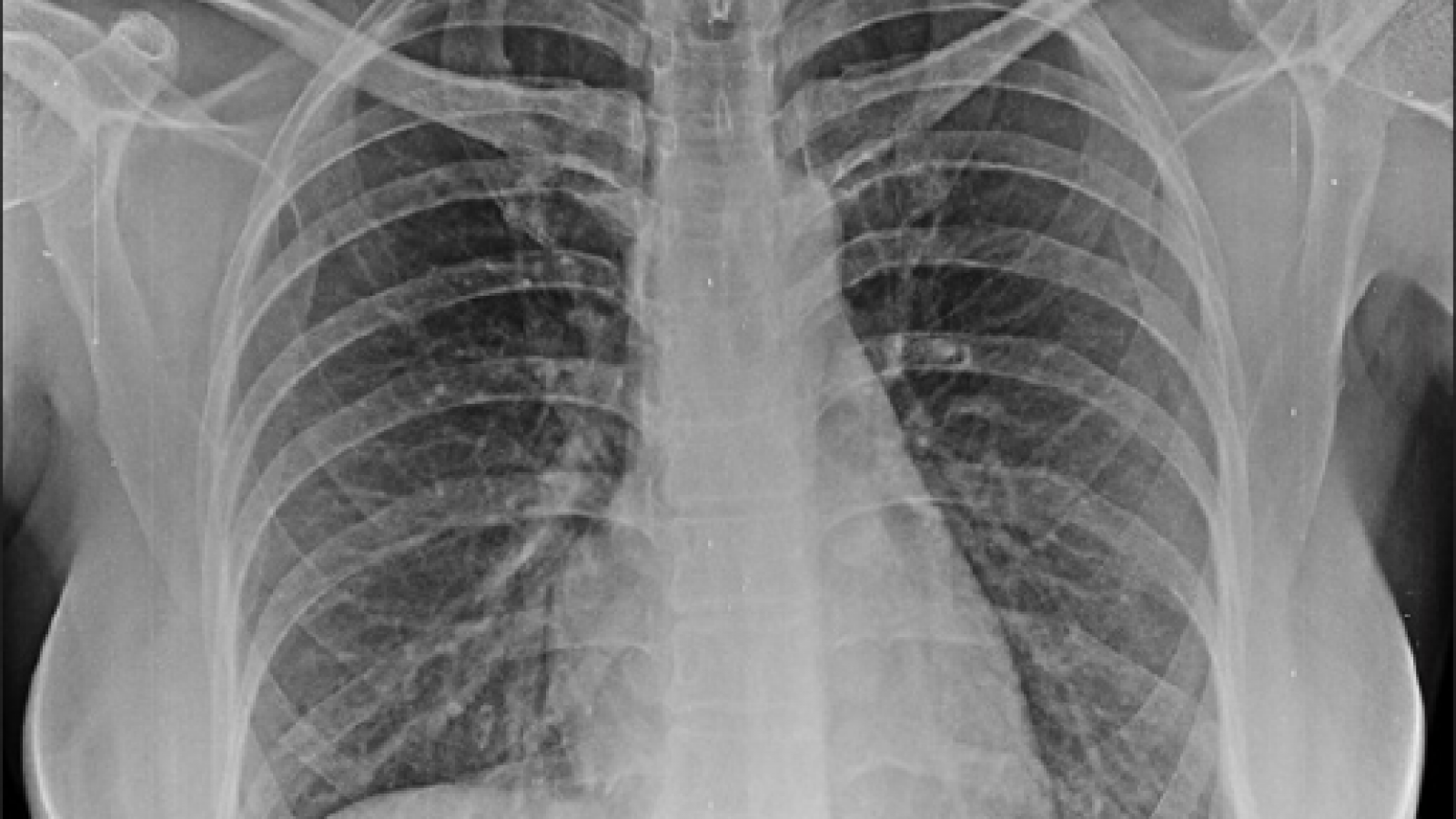
The American College of Rheumatology released summaries of two new guidelines for the Screening and Monitoring of Interstitial Lung Disease in People with Systemic Autoimmune Rheumatic Disease and for the Treatment of Interstitial Lung Disease in People with Systemic Autoimmune Rheumatic Diseases.

The incredible potential of B cell depletion in rheumatic diseases was heralded by its activity in the treatment of rheumatoid arthritis (RA) over 20 years ago. Rituximab (RTX) was cemented into the armamentarium of RA by its efficacy in TNF-inhibitor inadequate responders (REFLEX).

Comorbidities can pile up like a stack of blocks for people with rheumatoid arthritis (RA). At the time when RA is diagnosed, they already have more comorbidities than their peers, and after RA diagnosis they accumulate comorbidities faster than their peers.

