

With increasing demand for health services in an aging population, serving complex patients with comorbidities, and increasing healthcare costs, the question of whether nurses can substitute for physicians was addressed by a recent Cochrane review.
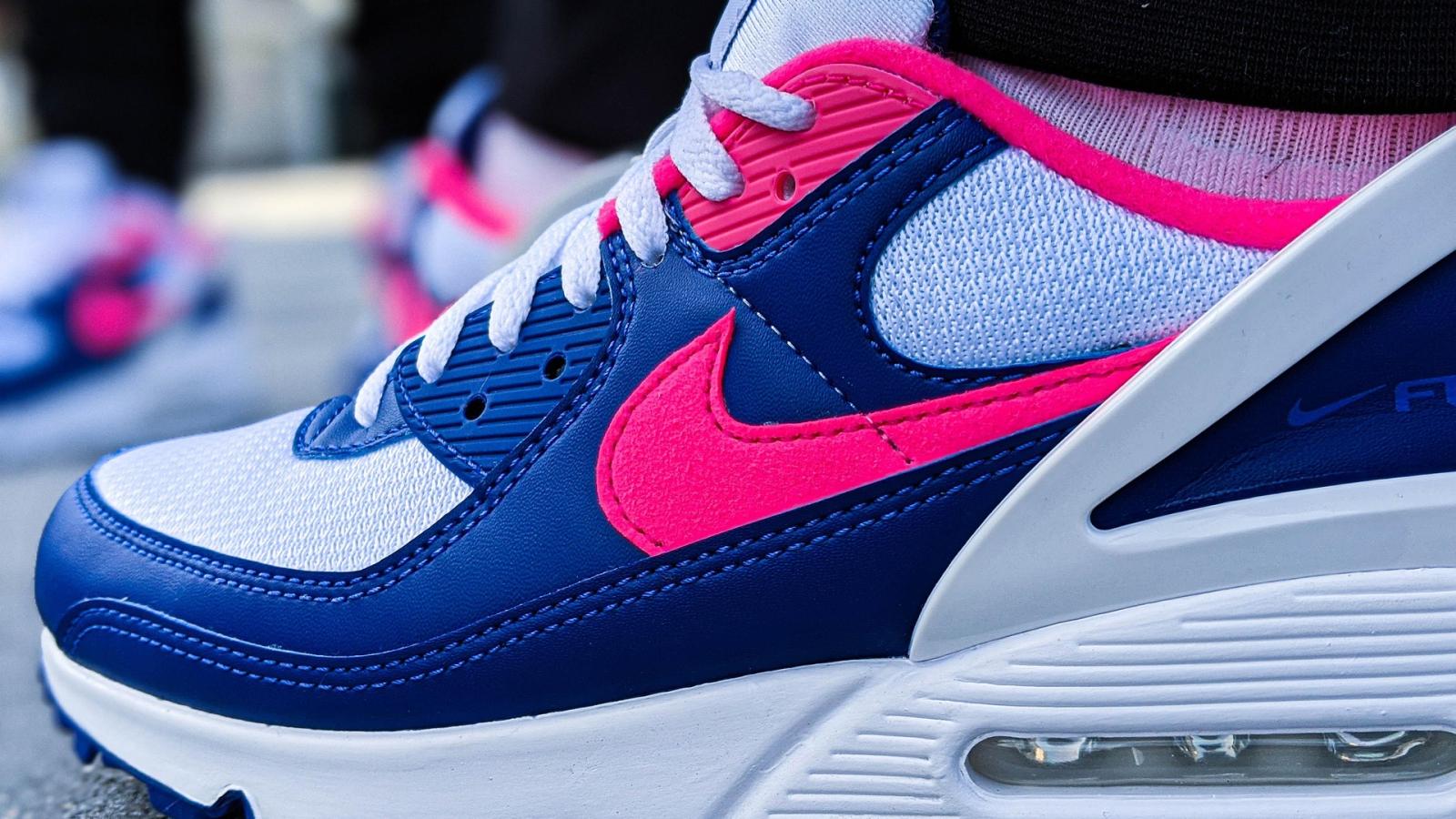
Do shoes make a difference in osteoarthritis (OA)? Common advice often suggests that stable supportive shoes can improve arthritis symptoms in the knee, but does this apply to hip osteoarthritis?

Dry eye rates upwards of 20% were seen across nine common autoimmune diseases other than Sjögren's, most often in rheumatoid arthritis (39.3%) with Crohn's disease bringing up the rear (23.0%), according to Chi-Chin Sun, MD, PhD, of Chang Gung Memorial Hospital in Keelung, Taiwan, and colleagues.
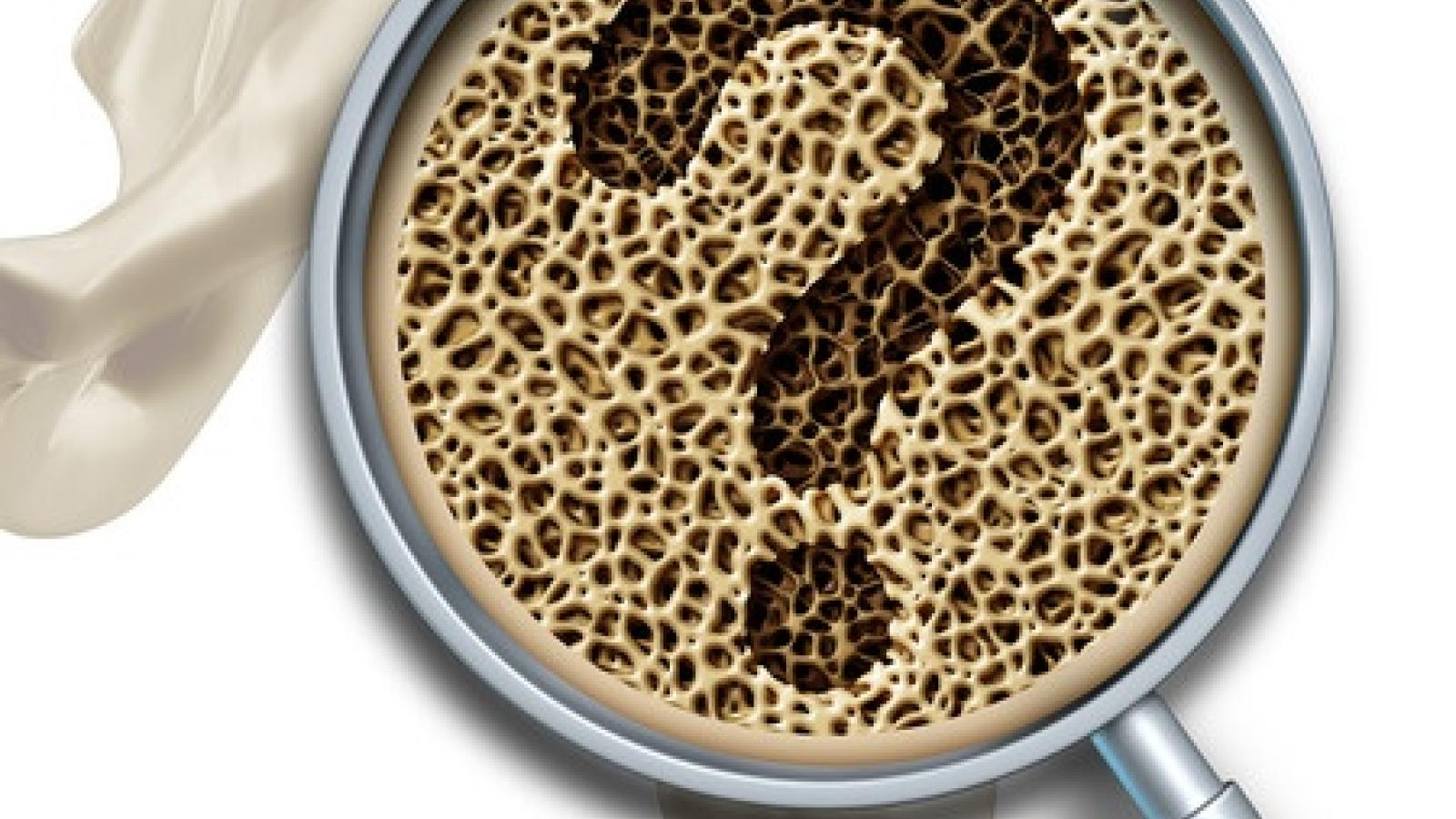
A report in The Lancet Diabetes & Endocrinology suggested that 3 months of romosozumab (ROMO) followed by denosumab is as effective at increasing hip bone mineral density (BMD) as the standard 12-month course.

An economic evaluation of early vs delayed use of the Blys inhibitor, belimumab (BEL), in systemic lupus erythematosus (SLE) has shown both cost effectiveness and clinical utility of early BEL initiation in active lupus patients.

Dr. Jack Cush reviews the news and journal reports from this past week on RheumNow.com. Highlights include referral rules, combination biiologics in psoriasis and don't use JAK inhibitors in pregnancy.

Giant-cell arteritis and Takayasu’s arteritis are both large-vessel vasculitides, but each brings its own diagnostic and management challenges. Many of the difficulties overlap because they are rare, heterogeneous, and lack perfect diagnostic tests or specific biomarkers.

“Orthopedics or rheumatology, who should I see?" A question, often asked with urgency, posed by those who genuinely don’t know who to see for a musculoskeletal (MSK) complaint. Inquiring patients, family, or other physicians may be one forum for such a request. Another occurs in the hospital and clinic when referrals for MSK issues can go in either direction. How would you guide such requests? And what would your answers be

Currently, fewer than half of patients diagnosed with osteoporosis receive appropriate pharmacologic therapy. This treatment gap reflects several challenges in osteoporosis management, including limited disease awareness, barriers to medication access, clinician discomfort with therapy selection, and uncertainty regarding the optimal timing of treatment initiation.
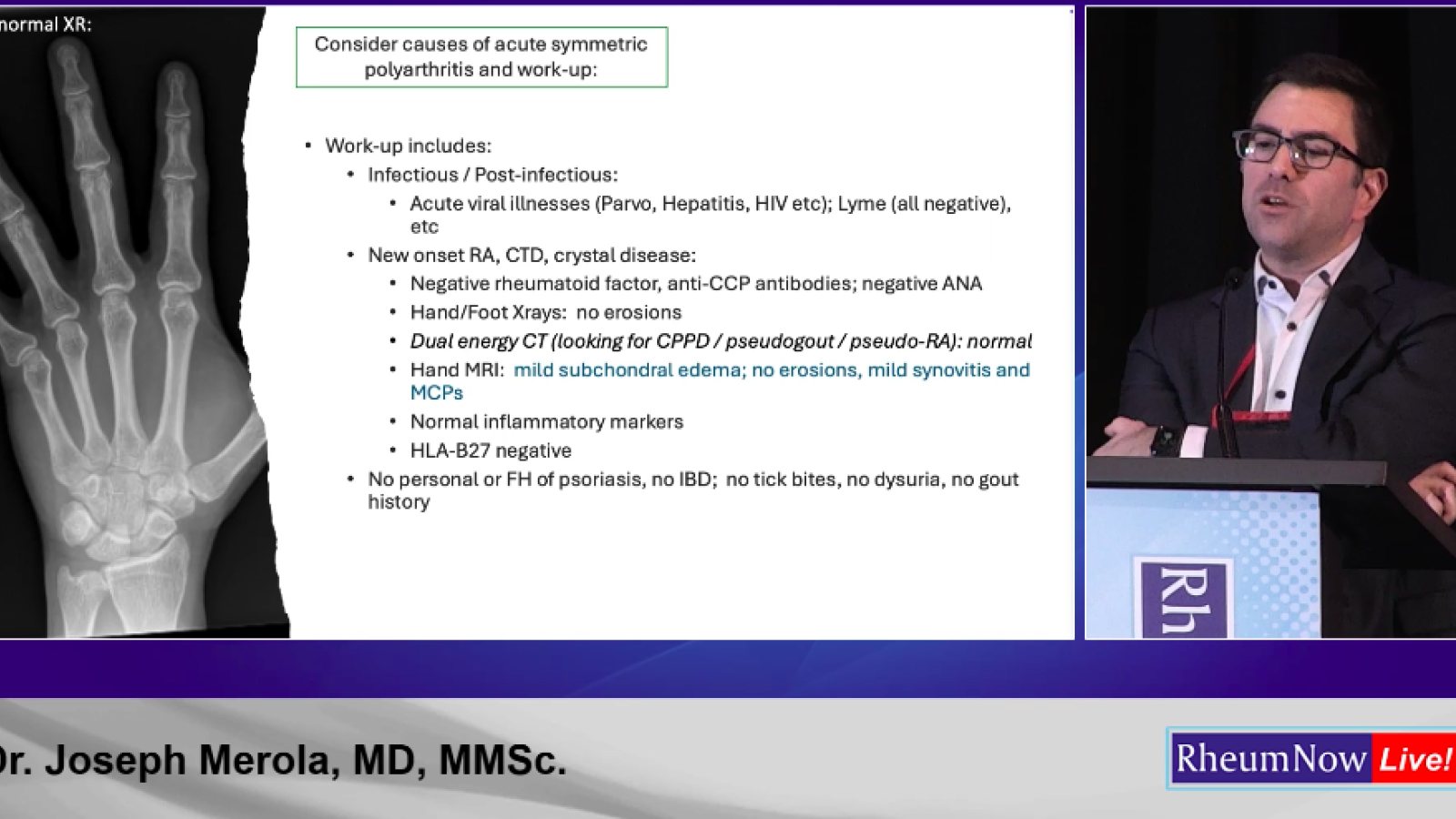
From paradoxical psoriasis to IL-23 vs IL-17 to imaging in PsA, speakers in RheumNow Live's "Decisions in Psoriatic Arthritis" pod delivered valuable, clinically relevant education.

Today Lilly announced top line results of the TOGETHER-PsO open-label, Phase 3b trial demonstrating the significant benefits of concomitant ixekizumab (IXE: an IL-17A inhibitor) and tirzepatide (TIR: GLP-1agonist) over IXE alone.
In 2020, the ACR Recommendations on Reproductive Health notably avoided firm guidance on the use of JAK inhibitors (JAKi) during pregnancy stating, "There is no available evidence regarding use or safety of the new small- molecule agents, tofacitinib, baricitinib, and apremilast, during pregnancy."
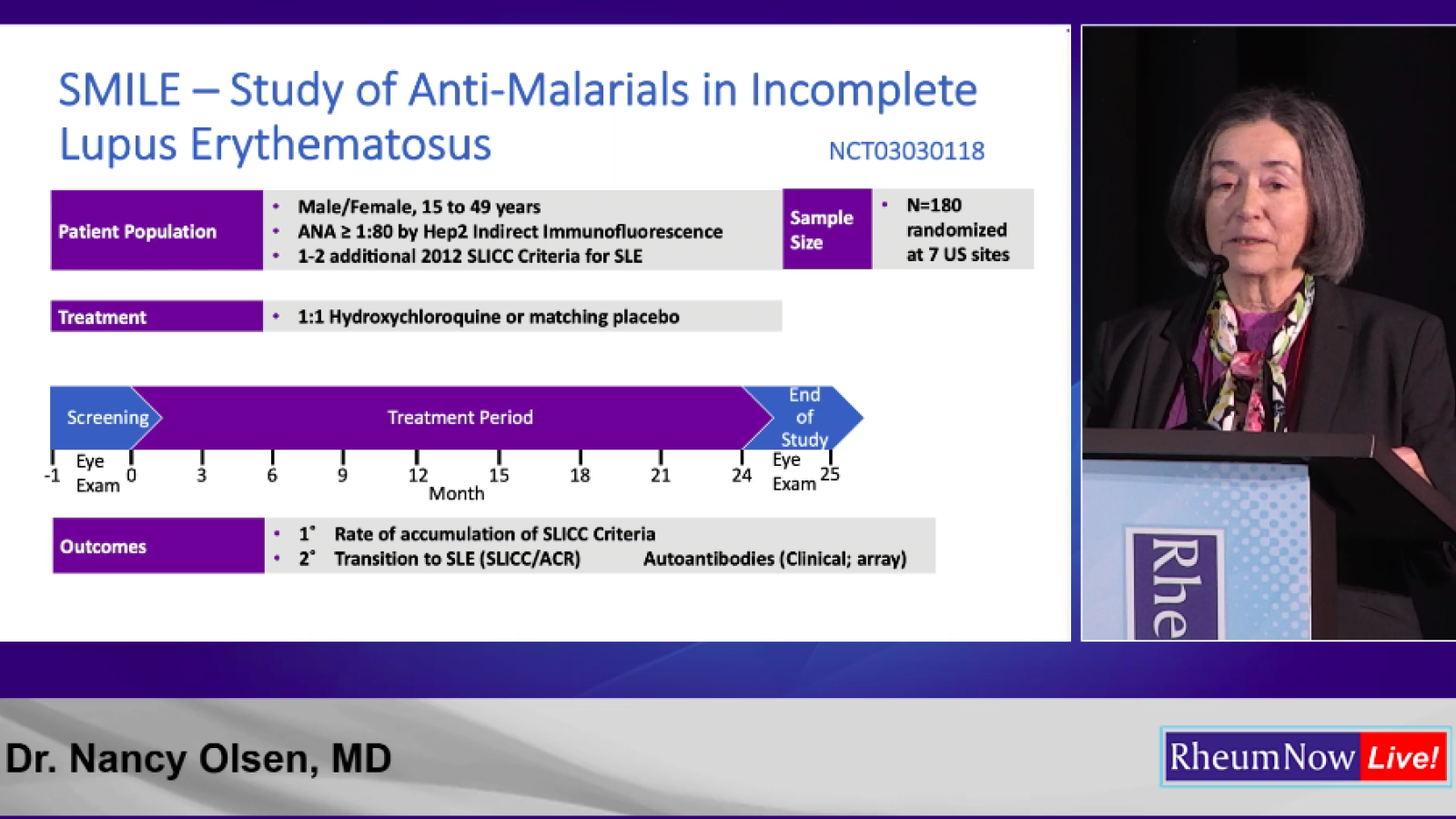
The notion of intervening in autoimmune disease prior to the onset of irreversible tissue damage has evolved beyond a theoretical framework; it is presently undergoing empirical evaluation. Recent discussions on incomplete lupus and the SMILE trial, alongside advances in Sjögren’s therapeutics, highlight both the promise and complexity of prevention and precision treatment in systemic autoimmunity.
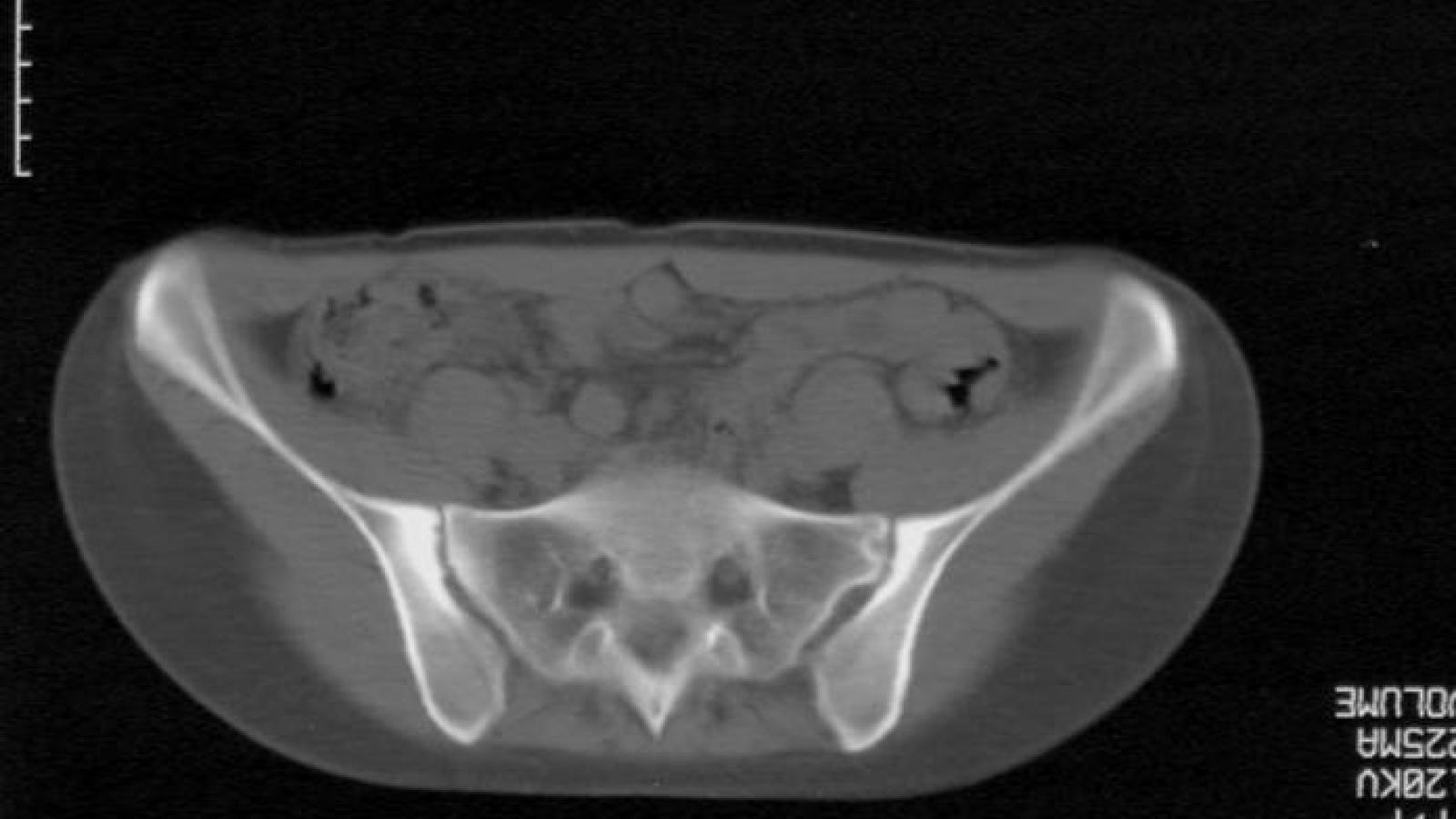
Dr. Arthur Kavanaugh and Dr. Eric Ruderman gave an update on what's new in spondyloarthritis at the 2026 Rheumatology Winter Clinical Symposium (RWCS) in Maui, Hawaii. Here's a summary.
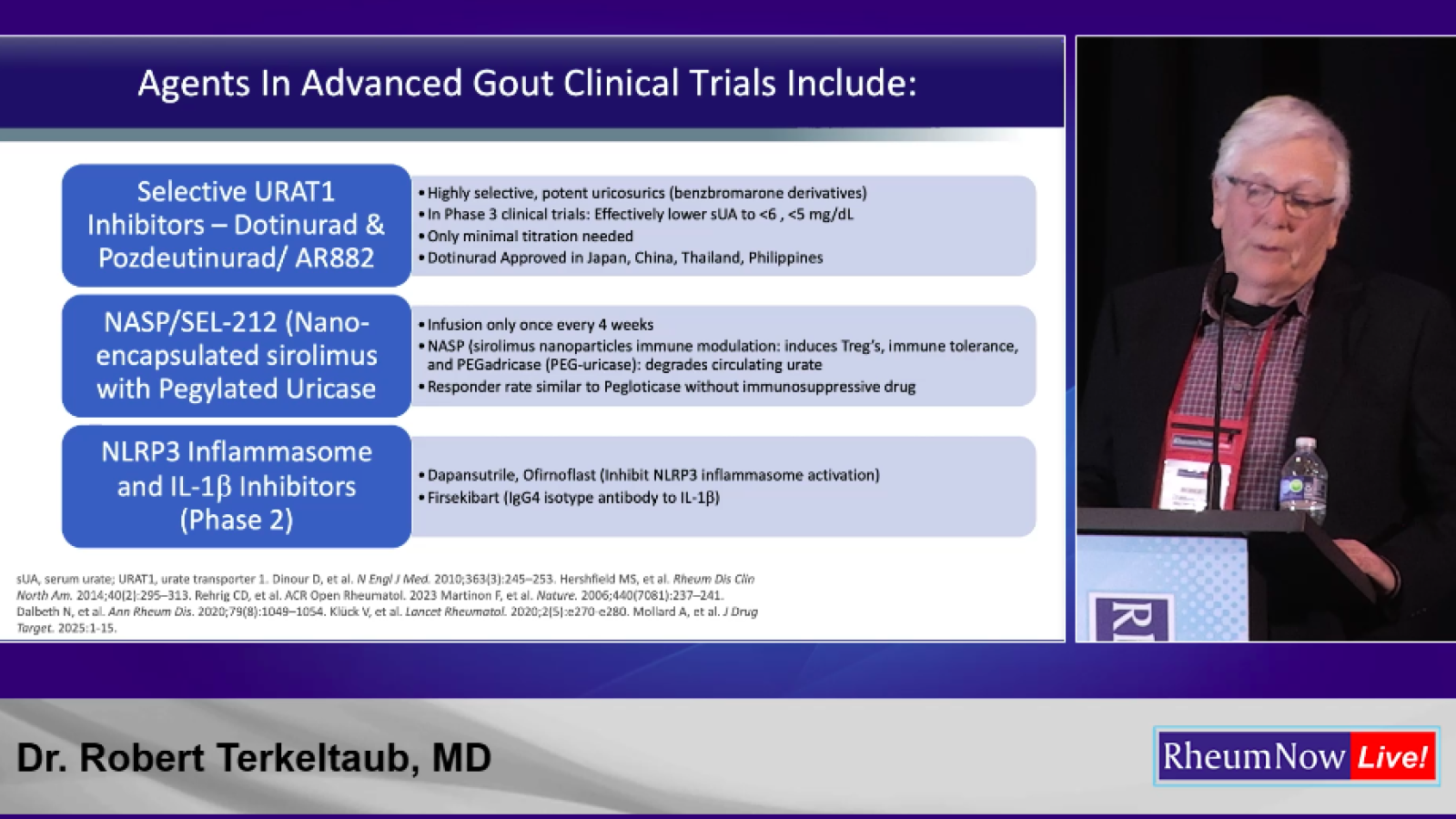
Gout management has entered what Dr. Robert Terkeltaub MD from UC San Diego described as its “disease-modifying era,” during his talk at RheumNow Live 2026. In a recent comprehensive review of the past, present, and future of gout therapy, the central message was clear: “We can really apply disease modification to gout based on prospective, randomized controlled trials.”

