
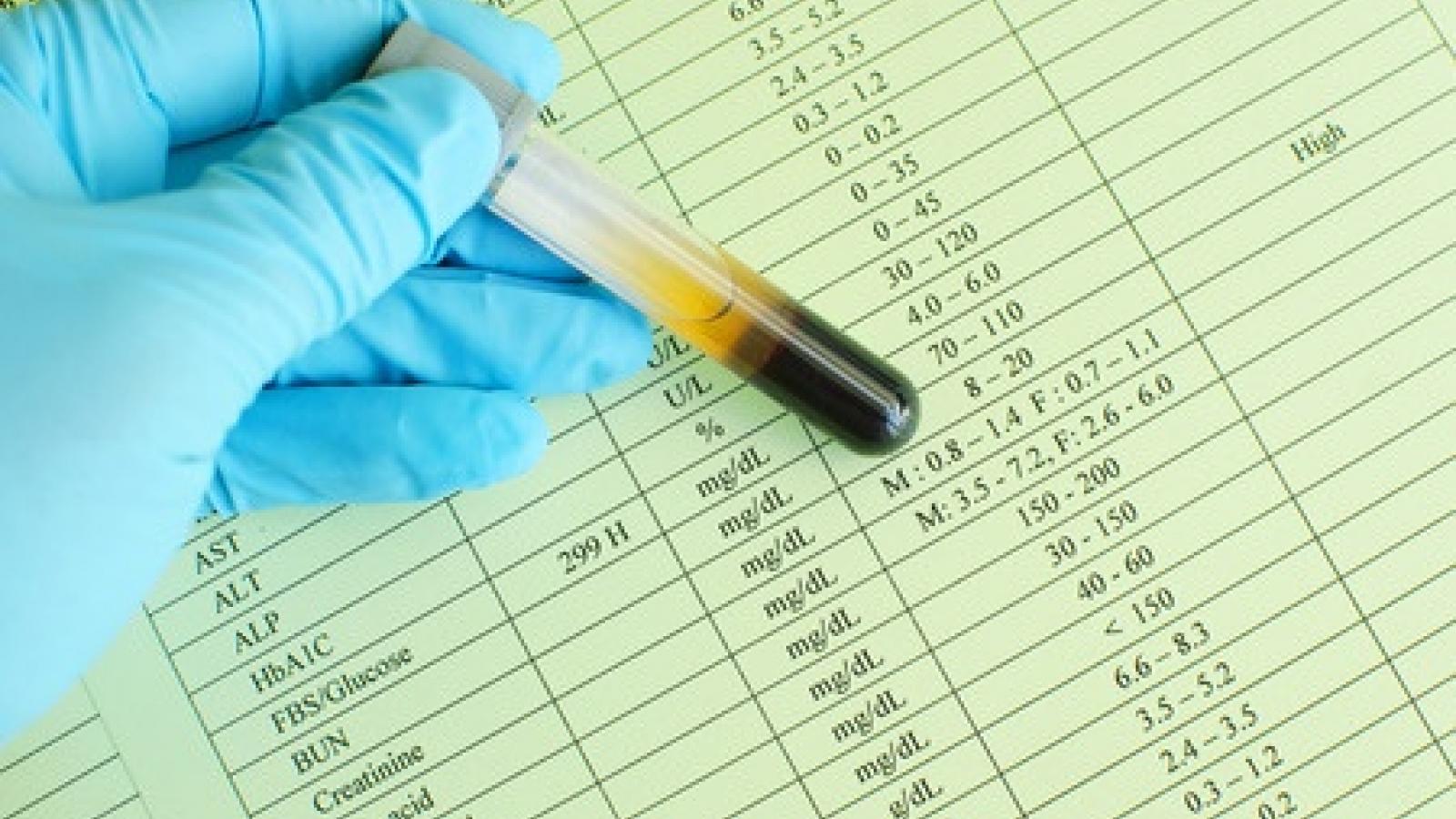
Petri and colleagues have published that measuring hydroxychloroquine (HCQ) blood levels can be useful in systemic lupus erythematosus (SLE), as low levels are associated with an increased thrombotic risk in SLE.
In total cohort of 739 SLE patients, HCQ levels were serially quantified by EDTA whole blood by liquid chromatography–tandem mass spectrometry.
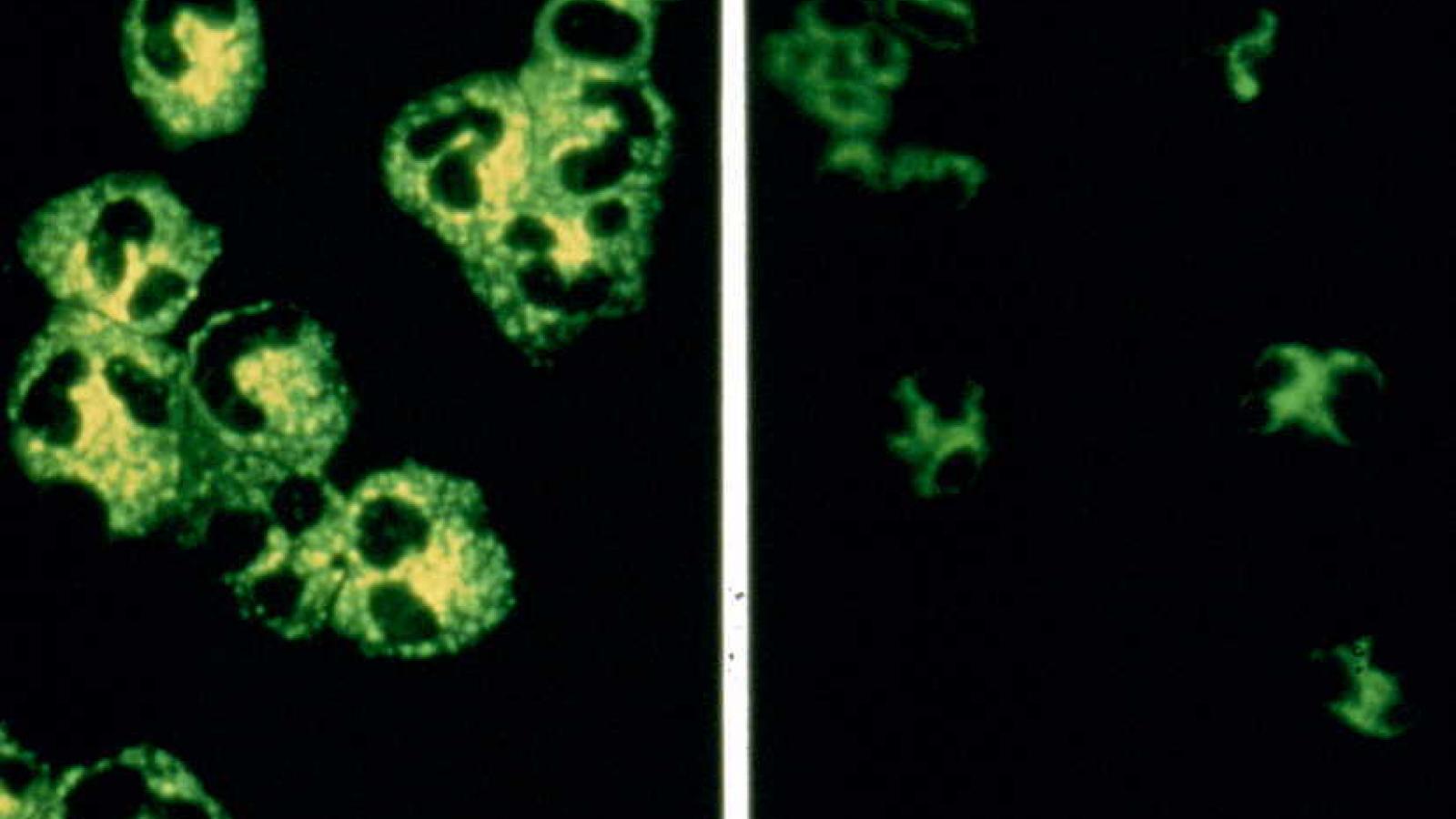
An FDA advisory panel will consider whether to recommend approval of an oral C5a inhibitor for antineutrophil cytoplasmic antibody (ANCA)-associated vasculitis, with agency staff raising questions over the "clinical meaningfulness" of key study data.
Dr. Jack Cush reviews the best journal articles from the past week on RheumNow.com.

An oral microbiome study of rheumatoid arthritis patients suggests that periodontal condition in patients with early rheumatoid arthritis and individuals at risk of RA.

The ARTIC-REWIND study examined rheumatoid arthritis (RA) patients in remission on conventional synthetic disease-modifying antirheumatic drugs (csDMARDs) to see if they could "step-down" their csDMARDs theray; but the study showed that 25% those who went on half-dose experienced disease flares (less so in the stable-dose group).

The predictive value of therapeutic drug monitoring (TDM) while on biologics is debateable; gastroenterology routinely relies on TDM, while rheumatologists do not. A randomized trial compared TDM to no TDM in patients receiving infliximab for chronic immune-mediated inflammatory diseases (IMIDs) and found that TDM did not increase the odds of achieving remission.

Long-term outcomes of kids with childhood-onset systemic lupus erythematosus (cSLE) are uncommon, but this cSLE cohort analysis suggests that SLE significantly impacts their future education, vocation, and employment as they reach adulthood.

JAMA has posted an insights article reviewing autoimmune thyroid disease in women. Thyroid autoimmunity has a higher prevalence in women and with increasing age.
Similar to many autoimmune disorders, thyroid disease is more common in women than in men.

Fecal microbiota transplantation (FMT) showed disappointing results among patients with active psoriatic arthritis, a small randomized trial found.

The Journal of the American College of Cardiology has published the results of a study showing that patients with systemic lupus erythematosus (SLE) have an increased risk of heart failure (HF) and other long-term cardiovascular outcomes.

An open source, free read from the European Journal of Internal Medicine discusses how uric acid has evolved from the toxic cause of gout and nephrolithiasis and evolved, by way of science, into a pleiotropic recidivist in the evolution of obesity, diabetes, insulin resistance, renal disease, hypertension, fatty liver, and cardiovascular disease.
Dr. Jack Cush reviews the news and journal reports from the past week on RheumNow.com.

The ACR COVID-19 Vaccine Clinical Guidance was originally published on February 8, 2021 and updated on March 4, 2021. On April 28, 2021, new recommendations were added regarding mycophenolate, methotrexate, acetaminophen, and NSAID timing considerations,

A metanalysis showed that while adverse events (AEs) are common when methotrexate is used in rheumatoid arthritis or inflammatory arthritis patients, serious AEs ranged from 2.1 to 9.5% and drug discontinuations ranged from 6.7% to 15.5%, mostly due to gastrointestinal events.
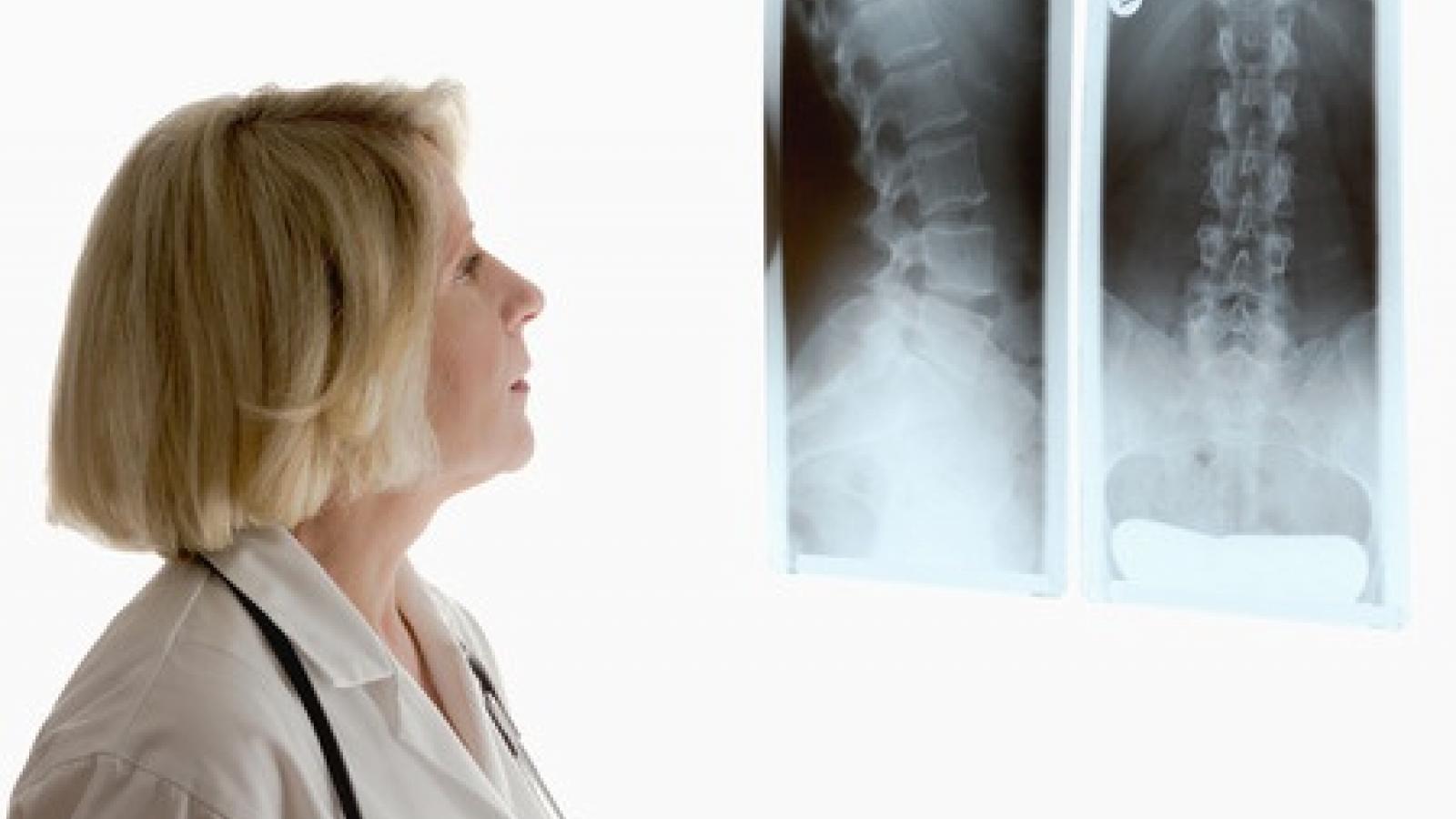
A large patient cohort study suggests that the mean diagnostic delay (DD) in European axial spondyloarthritis (axSpA) patients is 7.4 years, moreso in women and younger patients.
An online survey of 2,652 patients from 13 countries (European Map of Axial Spondyloarthritis - EMAS) asked patients about their onset of symptoms and the time it took ot diagnose axSpA) and found that the average DD was 7.4 ± 8.4 years.

