
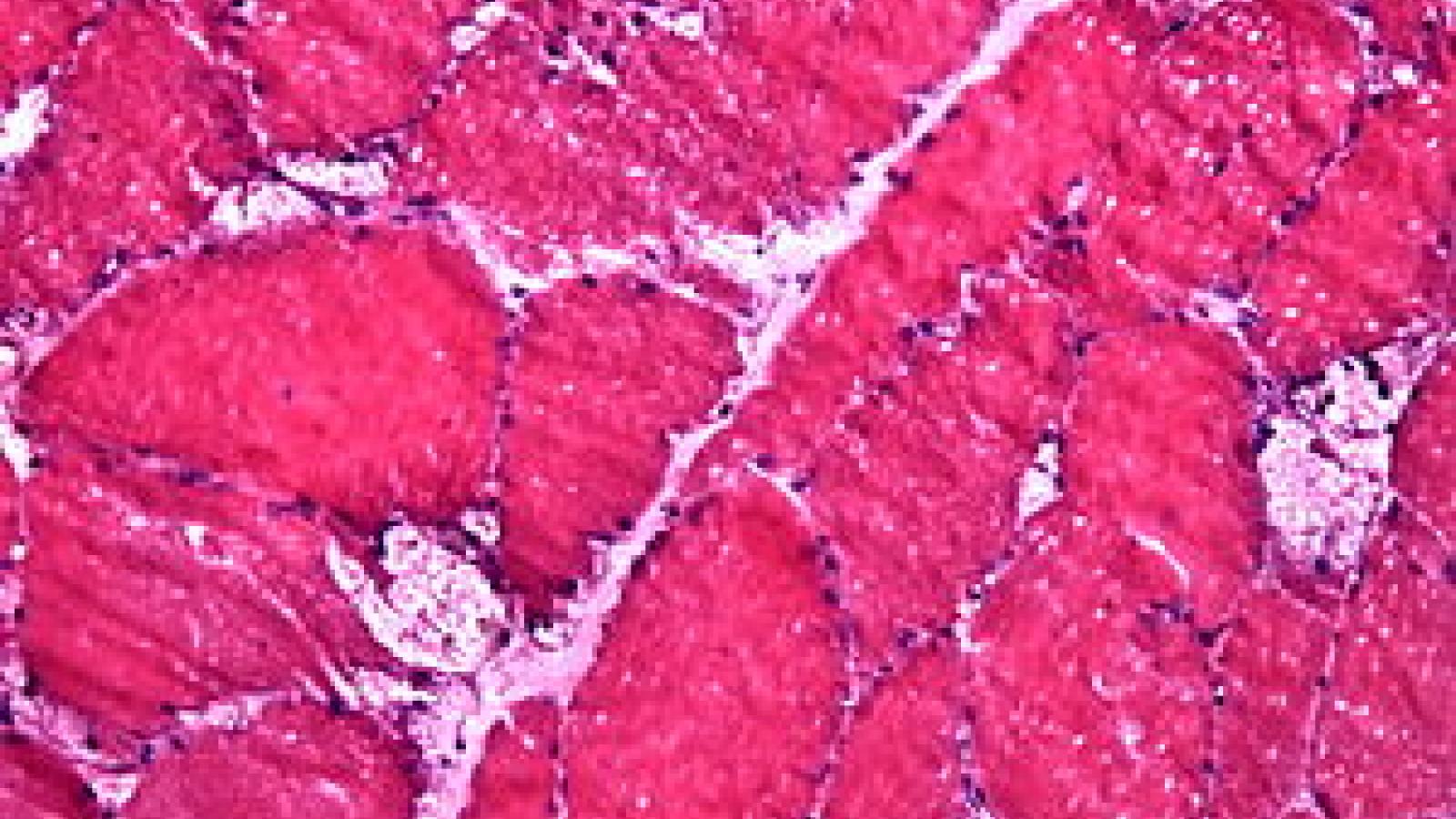
Researchers from the University of Cincinnati Gardner Neuroscience Institute will present data on a new treatment for Pompe disease at the American Academy of Neurology on April 20th; the results show that treatment with avalglucosidase alfa yielded substantial clinical improvements and a more favorable safety profile compared to the current standard of care (alglucosidase alfa).

Dr. Jack Cush serves up this week's news and articles from RheumNow.com.

MMWR reports the risk of acquiring an infection with SARS-CoV-2 is reduced 23% to 57% when the middle seat was vacant (compared with full aircraft occupancy).

A population-based study in the UK shows that patients with rare autoimmune rheumatic diseases (RAIRD) were 44% more likely to die during the 2020 COVID-19 pandemic (March - April) compared to either the general population or their pre-COVID risk.

JAMA has published the new recommendation from the US Preventive Services Task Force (USPSTF) stating that screening for vitamin D deficiency is unnecessary and unwarranted in asymptomatic adults.

In the United Kingdom, where it is estimated that chronic pain affects one‑third to one‑half of the population, NICE (National Institute for Health and Care Excellence) has recently released an updated guideline on the management of chronic pain for people aged 16 years and over. This document is evidence based and unique in differing from US and Canadian guidelines on pain.

Have you wondered why fibromyalgia, fatigue or cognitive dysfunction often co-associate with chronic sinusitis?
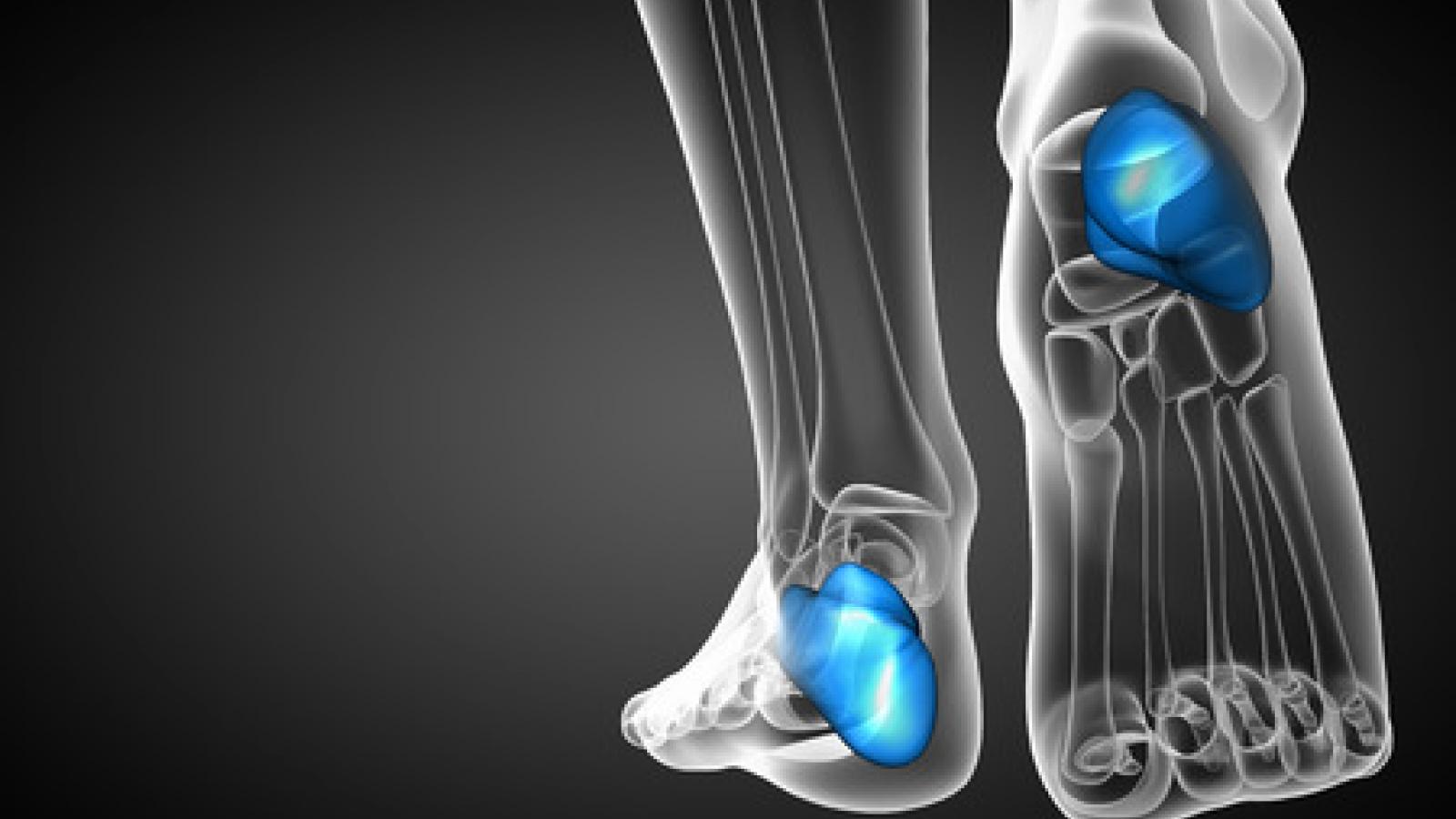
Treatment with guselkumab (Tremfya) was effective in resolving enthesitis among patients with psoriatic arthritis (PsA), a post-hoc analysis of two phase III trials found.

Analysis of ongoing safety from the secukinumab (SEC) drug development program shows a low risk for malignancy in SEC patients treated for up to five years for either psoriasis, psoriatic arthritis (PsA) or ankylosing spondylitis (AS).
Safety data from 10,685 psoriasis, 2,523 PsA and 1,311 AS secukinumab‐treated patients from 49 clinical trials were included.

A full year from the onset of the SARS-COV-2 pandemic, rheumatologists are still seeing the consequences of COVID, with many patients avoiding usual care, follow-up visits, routine lab testing and with many self-stopping their antirheumatic meds, because it seemed like the right thing to do.

The TOMORROW study assessed the relationship between diet and disease activity in rheumatoid arthritis (RA) patients and has shown that RA patients are more likely to have higher inflammatory diets, but that a change to an anti-inflammatory diet resulted in lower disease activity scores.
Dr Jack Cush gives his spin on this week's RheumNews and Rheum Research from RheumNow.com.
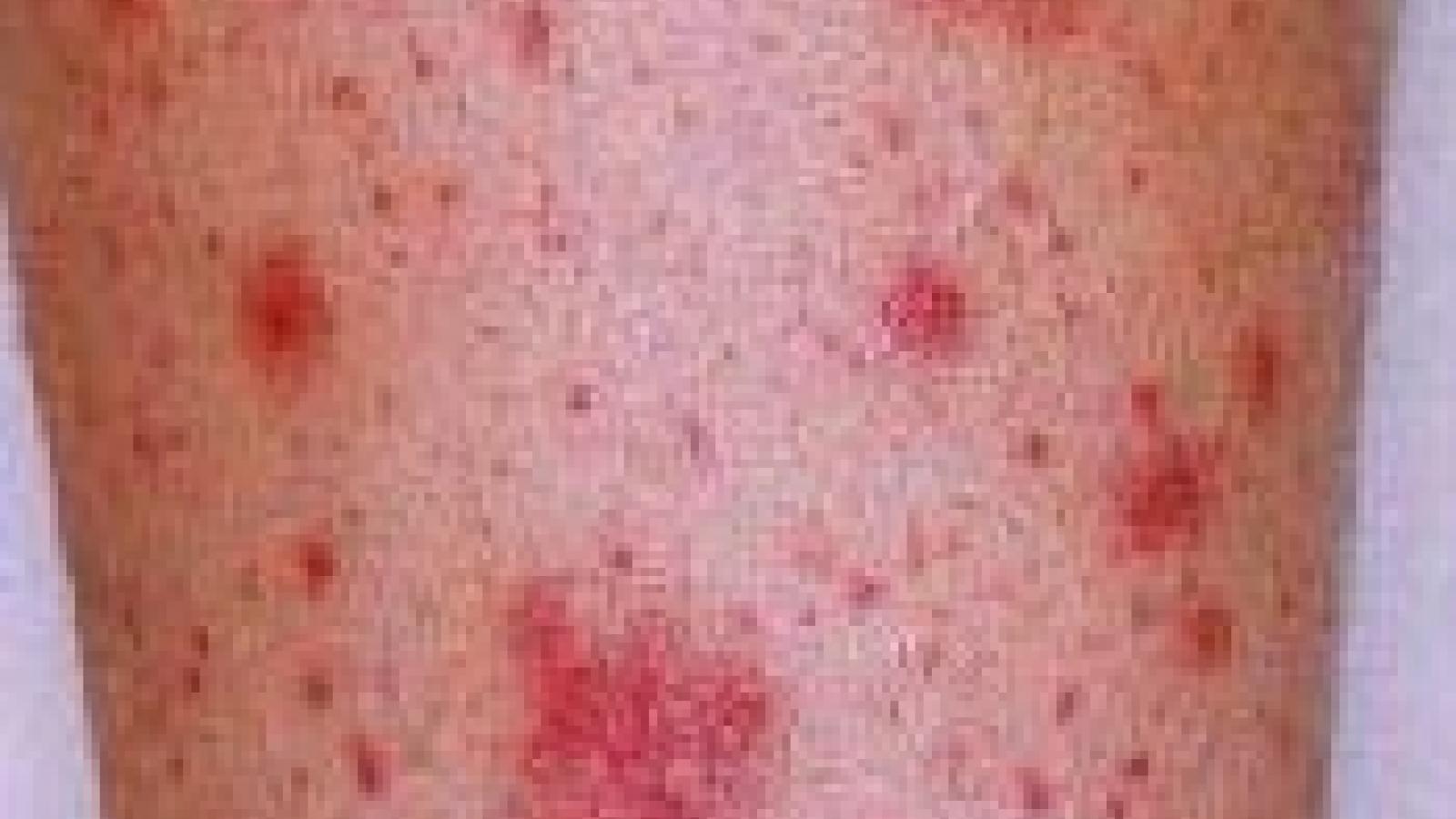
Medscape offers up an informative overview of the newly described syndrome called VEXAS discovered by researchers at the National Institutes of Health. These patients were previously misdiagnosed with Sweets syndrome, relapsing polychondritis, myelodysplastic syndrome, MGUS, or polyarteritis nodosa – but were now unified by a somatic (UBA1) mutation.
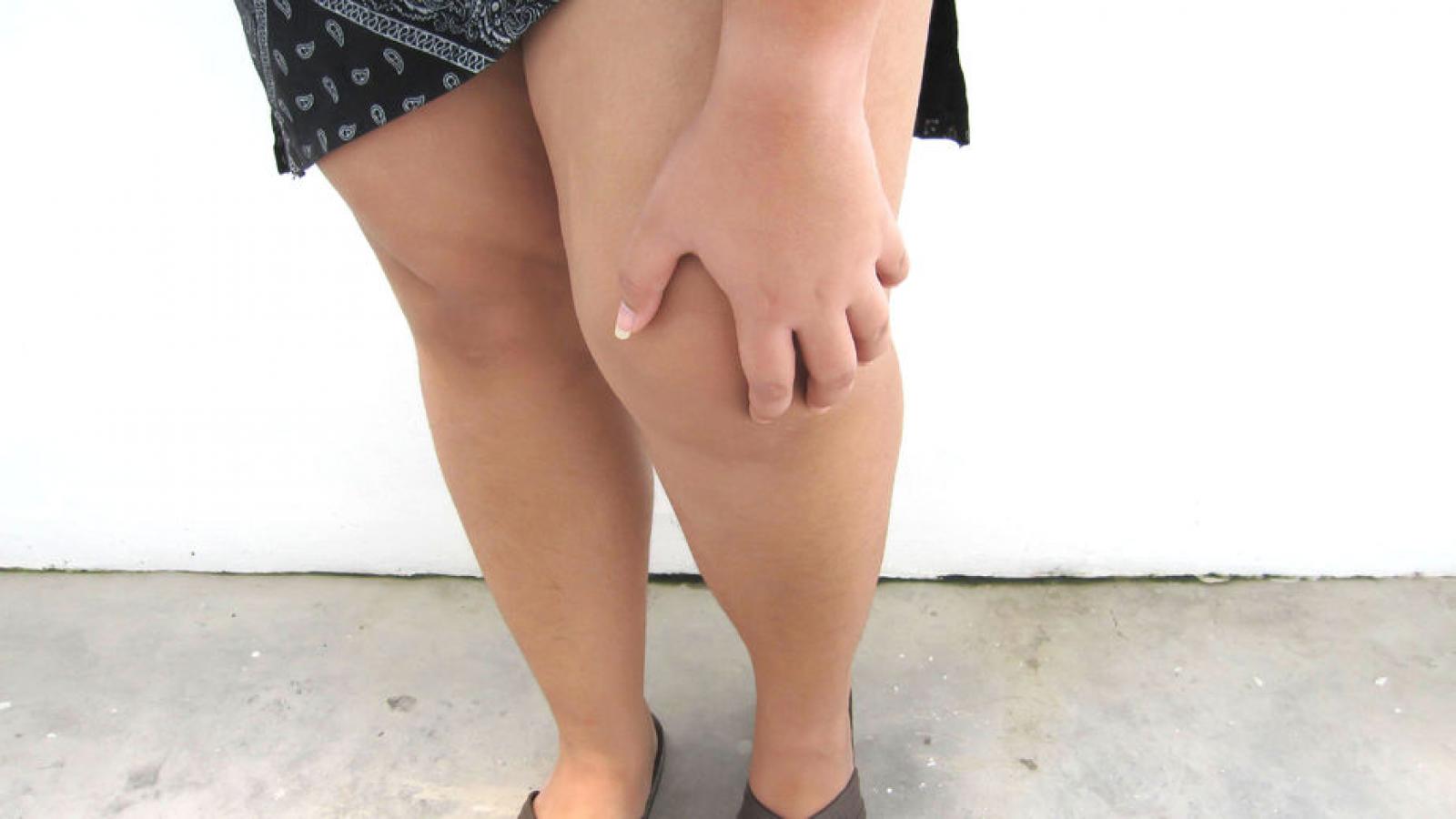
Knee osteoarthritis is best managed by weight loss, as the effects of most analgesic therapies have been marginal and debatable. The use of anti-diabetic glucagon-like peptide-1 therapies have demonstrated significant weight loss benefits; hence this trial evaluated the potential weight loss and pain relieving effects of liraglutide in obese patients with KOA.
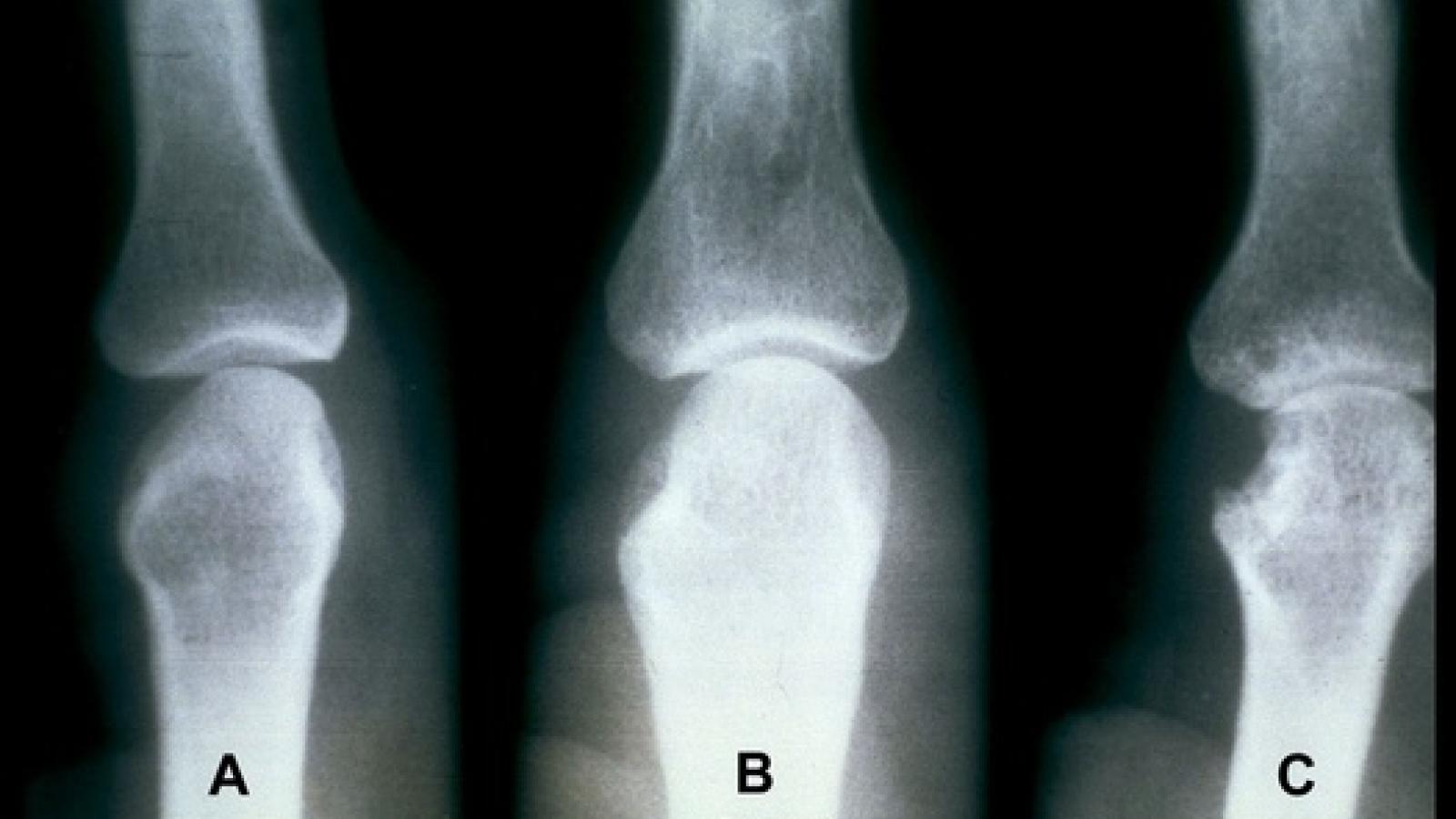
Treatment with denosumab (Prolia) helped heal bone erosions over 2 years among patients with rheumatoid arthritis whose disease activity was well controlled, researchers reported.

