

Clinical trials remain a challenge in SLE and a number of outcome measures have been used with varying success.Two abstracts in this session sought to address novel ways to assess responses in SLE trials.

On Monday November 11th, Dr. Suleman Bhana, presented Tech Tools for Rheumatologists Version 3.0. Dr.

A high proportion of GPA patients receive pneumocystis prophylaxis, usually with TMP-SMX (Bactrim), and drug interactions are always a concern.
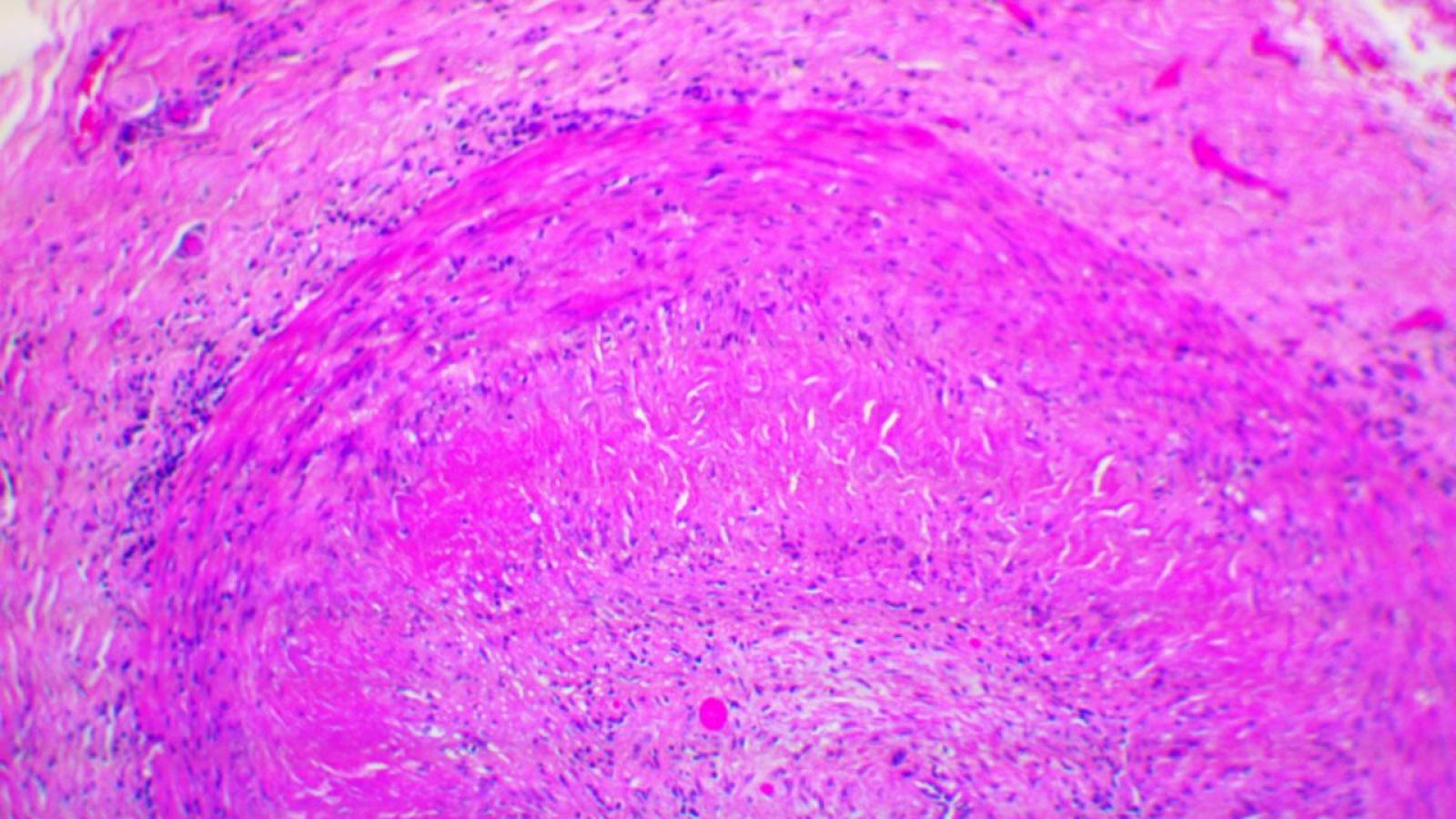
Prof Weyland started by explaining that giant cell arteritis (GCA) and Takayasu Arteritis (TA) are granulomatous forms of arteritis. The age of onset is usually >60 years in GCA and < 40 years in TA, the group in the middle may be a different form of vasculitis based on gene expression studies.

The pathogenesis between microscopic gut inflammation leading to the development of Crohn’s disease and sacroiliitis has been poorly understood. Dr. Debusschere, et al sought to understand this important link between IBD and axial SpA. The group looked at the in situ expression of gut biopsy derived TNF, TNFR1 and TNFR2 from known SpA patients.

Rheumatoid Arthritis and SLE can be quite challenging to manage in clinical practice, but our arsenal of medications to tone down inflammation is becoming quite broad.

There are two things I learned in rheumatology fellowship.Never burn any bridges because everyone in rheumatology knows each otherRheumatologists like their food

Check out this compilation of our ACR Day 1 videocasts merged into one 59 minute podcast !https://soundcloud.com/rheumnow/rheumnow-acr-2017-san-diego-day-1You can follow RheumNow podcasts on Soundhound.com and iTunes.

Curtis and colleagues presented a plenary session that analyzed the duration of drug holidays and the risk of subsequent fractures (FX) in women starting bisphosphonates (BP). They looked at 156,236 women taking BP for 3 years (median 2.1 yrs.) and then discontinuing BP. 20% stopped BP for > 6 mos. and 12.7% restarted BP and 11% died. For those off BP for >2 yrs. there was a 40% increased risk of Hip Fx.

We know that cardiovascular disease (CVD) is the leading cause of death in RA and that traditional risk factors do not fully account for increased risk. It is also recognised that RA patients have fewer warning symptoms prior to major event and also have a higher case fatality rates for stroke and cardiac events.

From Dr. Michelle Petri’s lecture on Antiphospholipid Syndrome Updates at ACR17 Review Course on Saturday, I learned that there is now a new class of diseases called the complementopathies. This was the first time I heard of this term; how many patients did I misdiagnose who really had this and what are the ICD10 codes?!
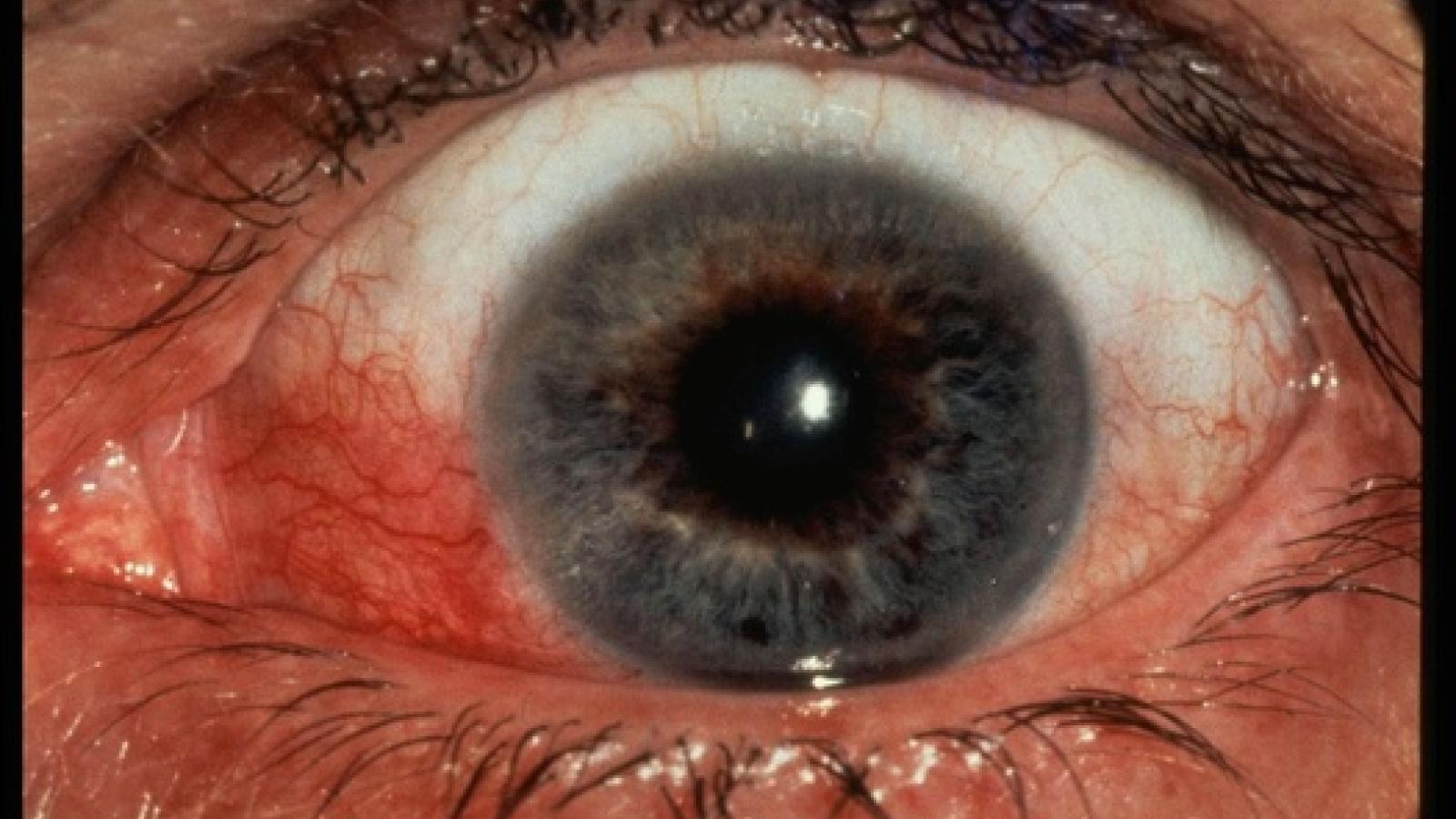
Professor Rosenbaum is well known for his expertise in rheumatic eye disease and he gave a great summary of how to approach your patient having a red eye.The differential diagnosis for the red eye includes conjunctivitis, keratitis, acute anterior uveitis, episcleritis, scleritis and acute closed angle glaucoma.

Prof Robert Inman gave a great summary of the state of the art in reactive arthritis (ReA).

With the increasing use of biologic therapies to treat rheumatic disease has come an awareness of a small but real risk of developing de novo autoimmune disease.

Poster 318 presented at the ACR on Sunday morning caught attention of many, highlighting updates in phase 3 active controlled study of romosozumab vs alendronate in patients with postmenopausal osteoporosis with high risk of fracture.

