

When idiopathic inflammatory myopathies (IIM) affect the lungs, the consequences can be serious. ILD is not only common in IIM, but also one of the leading causes of death, contributing to up to 80% of mortality in this patient group. For rheumatologists, two subsets stand out: anti-synthetase syndrome (ASyS) and anti-MDA-5 positive dermatomyositis (MDA5-DM). These patients present with distinct clinical clues, very different disease

Deane et al has published the results of the STOP-RA trial, demonstrating that 12 months of hydroxychloroquine (HCQ) did not prevent the development of clinical RA at 36 months.

Treat-to-target strategies are not a new concept in rheumatology. It has shown to improve patient outcomes and quality of life in RA and PsA, and is now being increasingly adopted not only in SLE research but also in clinical practice. This article reviews key highlights from Dr. Eric Morand’s plenary session lecture on Treat to Target in SLE: Current Evidence and Future Directions, presented during the recent APLAR 2025 Congress.
Dr. Jack Cush reviews the news and journal reports from the past week on RheumNow.com. Are there benefits to diet or vegan diets? What's the effect of menopause on CTD? Ro52 makes a big entrance with all our ILD coverage this month.

Split dose weekly, oral methotrexate (MTX) was shown to be superior to single dose MTX in treating active rheumatoid arthritis (RA) patients.

Have a high index of suspicion in your patients with connective tissue disease (especially systemic sclerosis, inflammatory myositis), and rheumatoid arthritis.

In one of the SLE sessions at the APLAR 2025 Congress, Prof. Sandra Navarra discussed the assessment and management of osteoporosis in SLE patients, particularly glucocorticoid-induced osteoporosis (GIOP) and this article reviews the highlights and key takeaways from her talk.

Pulmonary arterial hypertension (PAH) is a serious complication of connective tissue disorders. Approximately 25% of patients with PAH have an underlying CTD, making CTD-PAH the second most common cause of PAH. During the session on Management of Lung Complications in CTD at APLAR 2025, Prof. Dinesh Khanna and Masataka Kuwana provided an excellent overview of PAH diagnosis and management strategies the context of CTD-ILD.
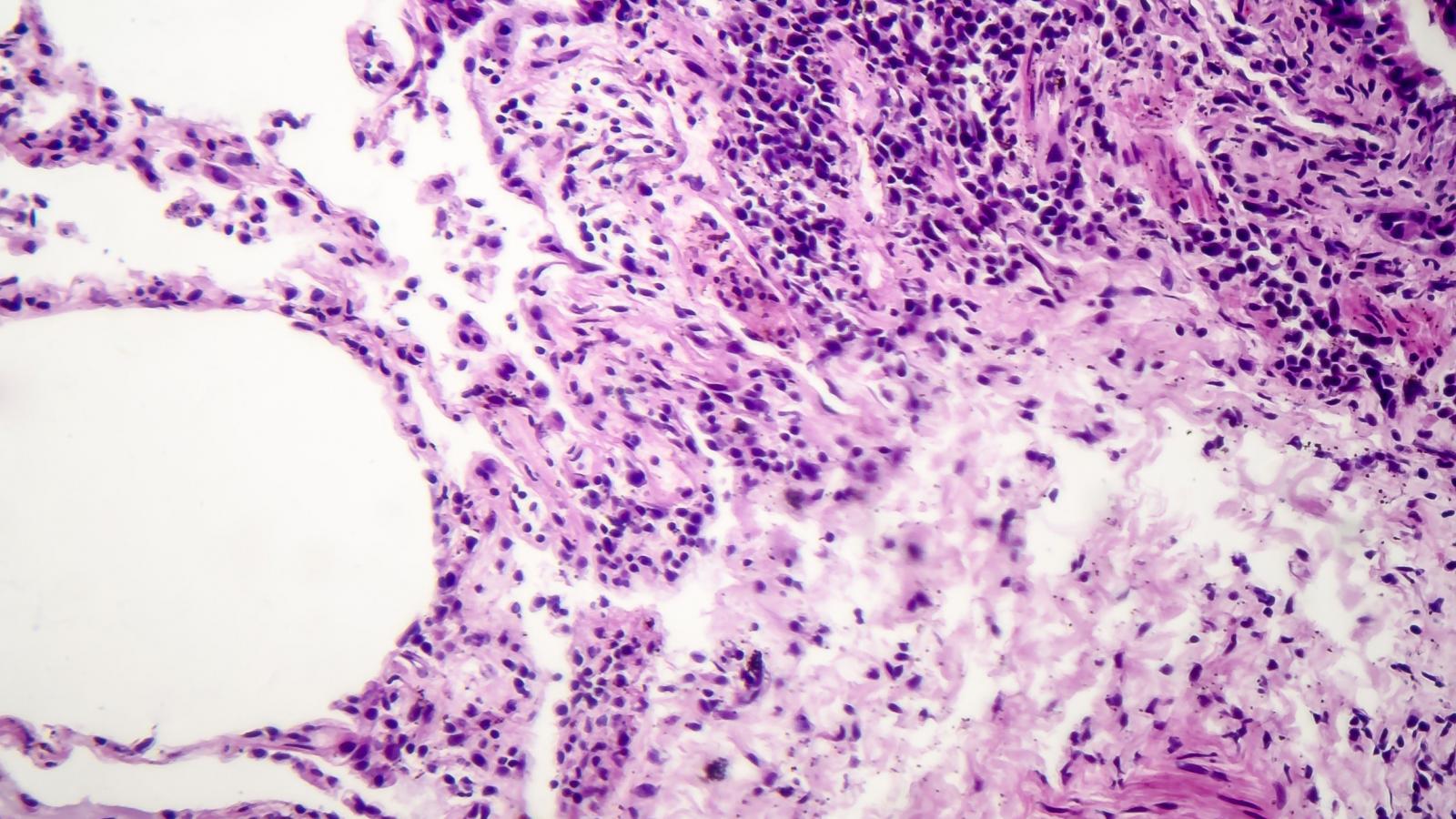
Rheumatologists typically manage systemic autoimmune rheumatic diseases (SARD) and associated interstitial lung disease (ILD) with immunosuppressants. However, evidence increasingly supports also the use of antifibrotic agents in this setting. Pulmonologists have long used antifibrotics for ILD caused by idiopathic pulmonary fibrosis (IPF) and other conditions, but rheumatologists have limited experience with these drugs.

The European Respiratory Society (ERS) and European Alliance of Associations for Rheumatology (EULAR) have published clinical practice guidelines for the evaluation and management of connective tissue diseases (CTD) associated interstitial lung disease (ILD) in two simultaneous publications in the European Respiratory Journal and Annals of Rheumatic Diseases.
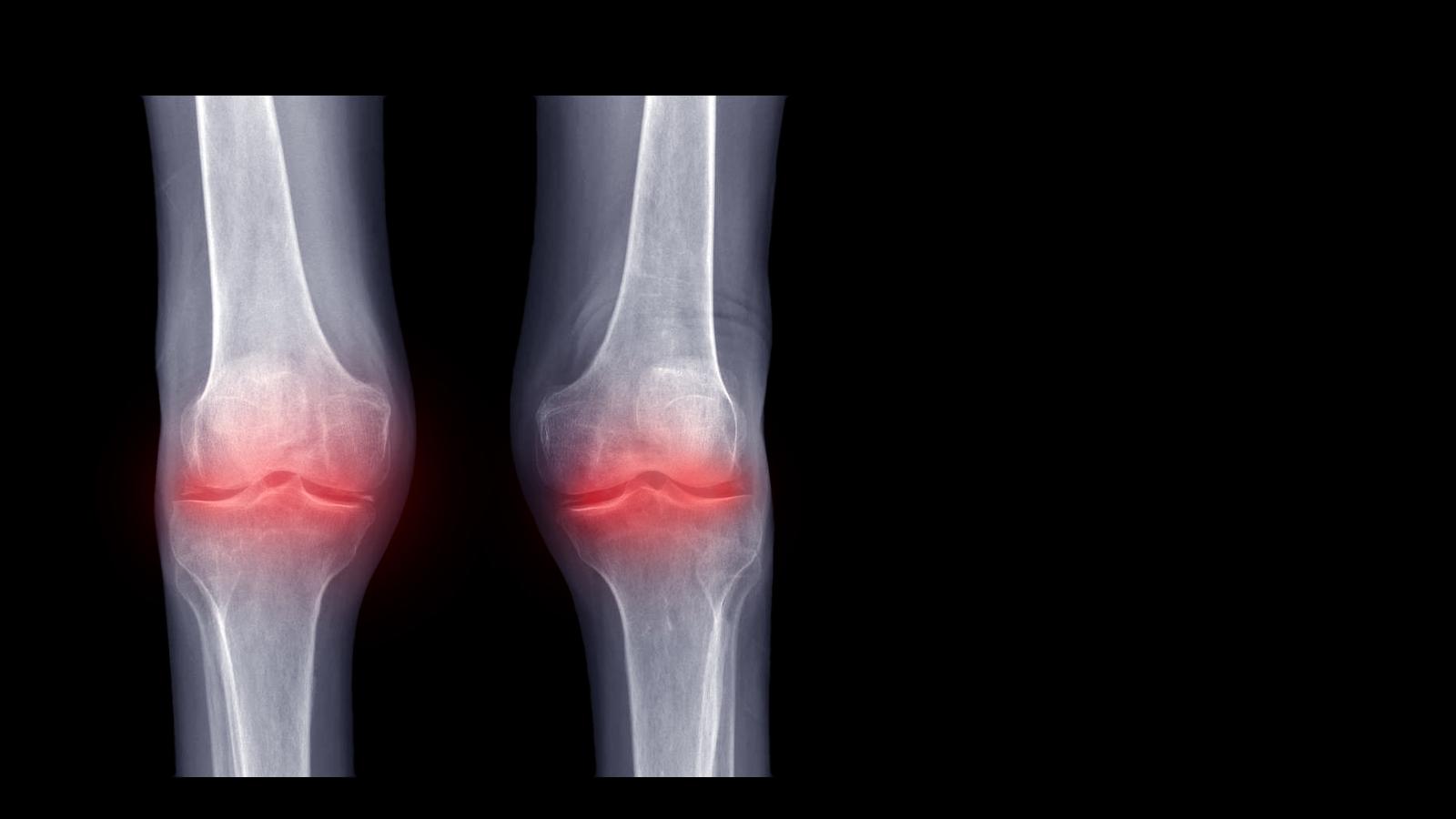
The COLCHICORT trial in acute calcium pyrophosphate (CPP) crystal arthritis patients showed that colchicine was inferior to prednisone treatment and that responses were also influenced by other factors.

The unveiling of the updated 2025 recommendations for RA treatment, presented by Josef Smolen in the plenary session on the first day of the conference, sparked attention. Although not yet formally published, these updated recommendations represent a refined consensus that simplifies decision-making while reinforcing the importance of treat-to-target principles in RA.

Interstitial lung diseases (ILDs) represent a complex spectrum of conditions that share one unifying truth: they are almost always serious, progressive, and life-altering. But for many patients, the burden of disease does not fall evenly. We are increasingly learning that where you live, who you are, and the resources available to you, can strongly influence how ILD develops and worsens. Understanding these disparities is
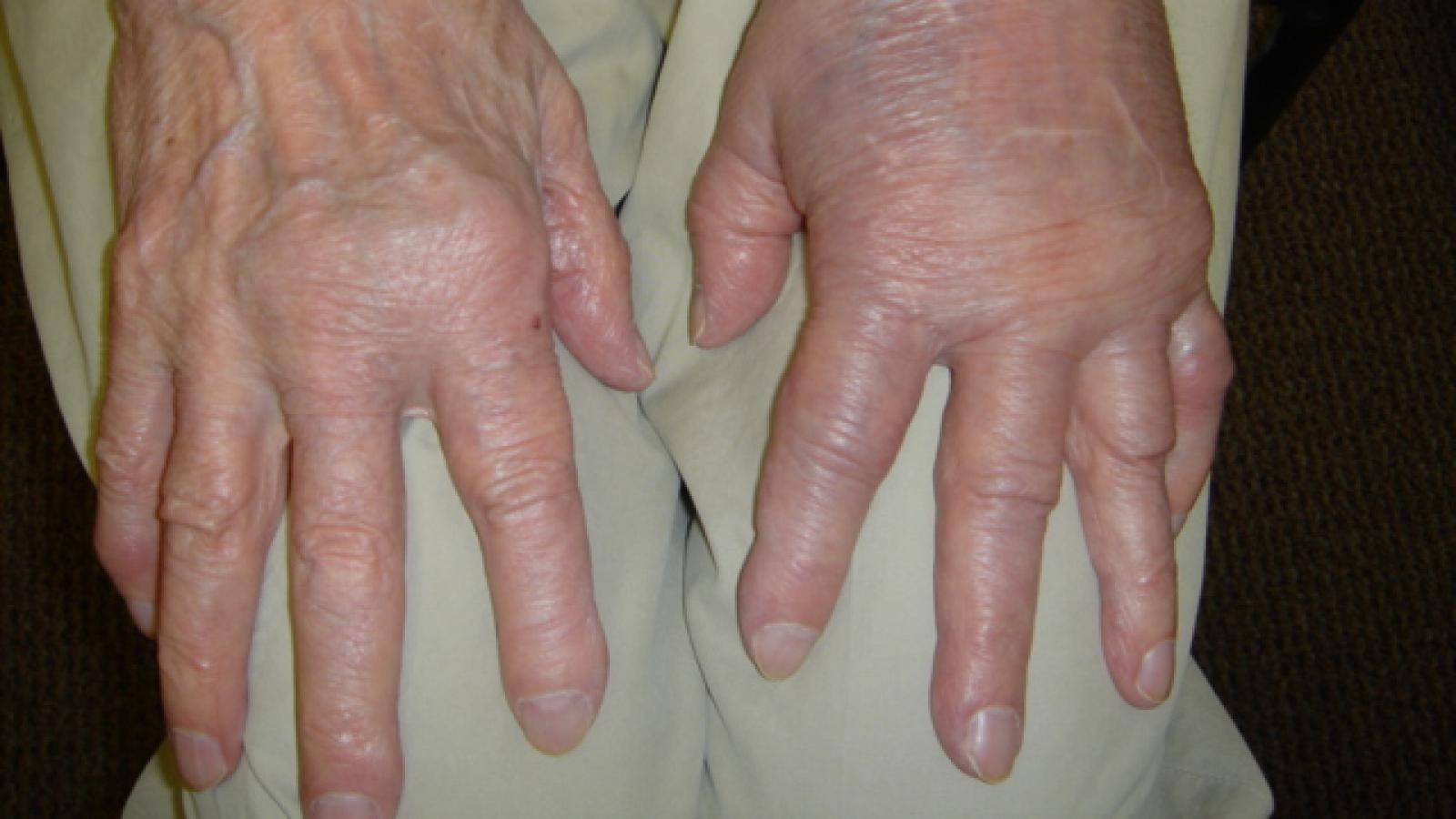
A study from Olmstead county and the Mayo Clinic shows that multimorbidity and social factors predict higher rheumatoid arthritis (RA) flares and lower remission rates.
Dr. Jack Cush reviews the news and journal reports from RheumNow. This week - unemployment, diagnosing Sjogren's and a lot of ILD.

