

The last day in London was exciting as both the Late-Breaking abstracts and new EULAR guidelines were presented. Guidelines presented addressed several significant unmet need areas including PMR, GCA, Takayasu’s arteritis, Vaccinations in Rheumatic patients, Imaging in spondyloarthritis and classification criteria for the Anti-Synthetase Syndrome. Here are but a few of my favorites from a list of many quality sessions.

B-cell targeting has moved to the centre of IgG4-related disease treatment, with inebilizumab, a CD19 depleter, as the recent benchmark. At EULAR 2026, INDIGO tested whether the disease can be controlled by switching B cells off rather than depleting them.
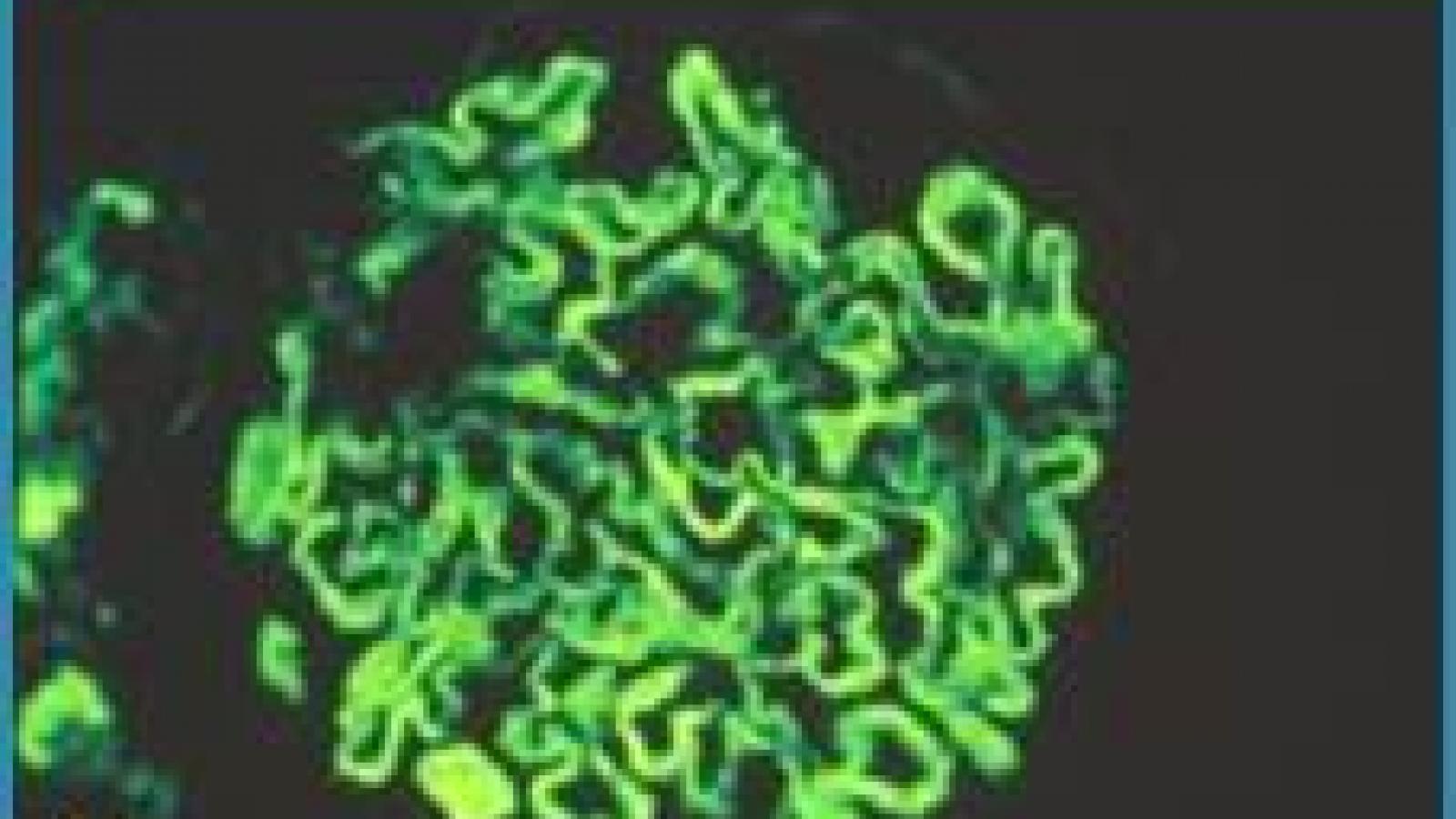
At EULAR 2026, investigators are presenting perhaps the most biologically compelling data yet from the REGENCY trial, with evidence that obinutuzumab induces deep intrarenal B-cell depletion alongside markedly higher rates of histological remission.
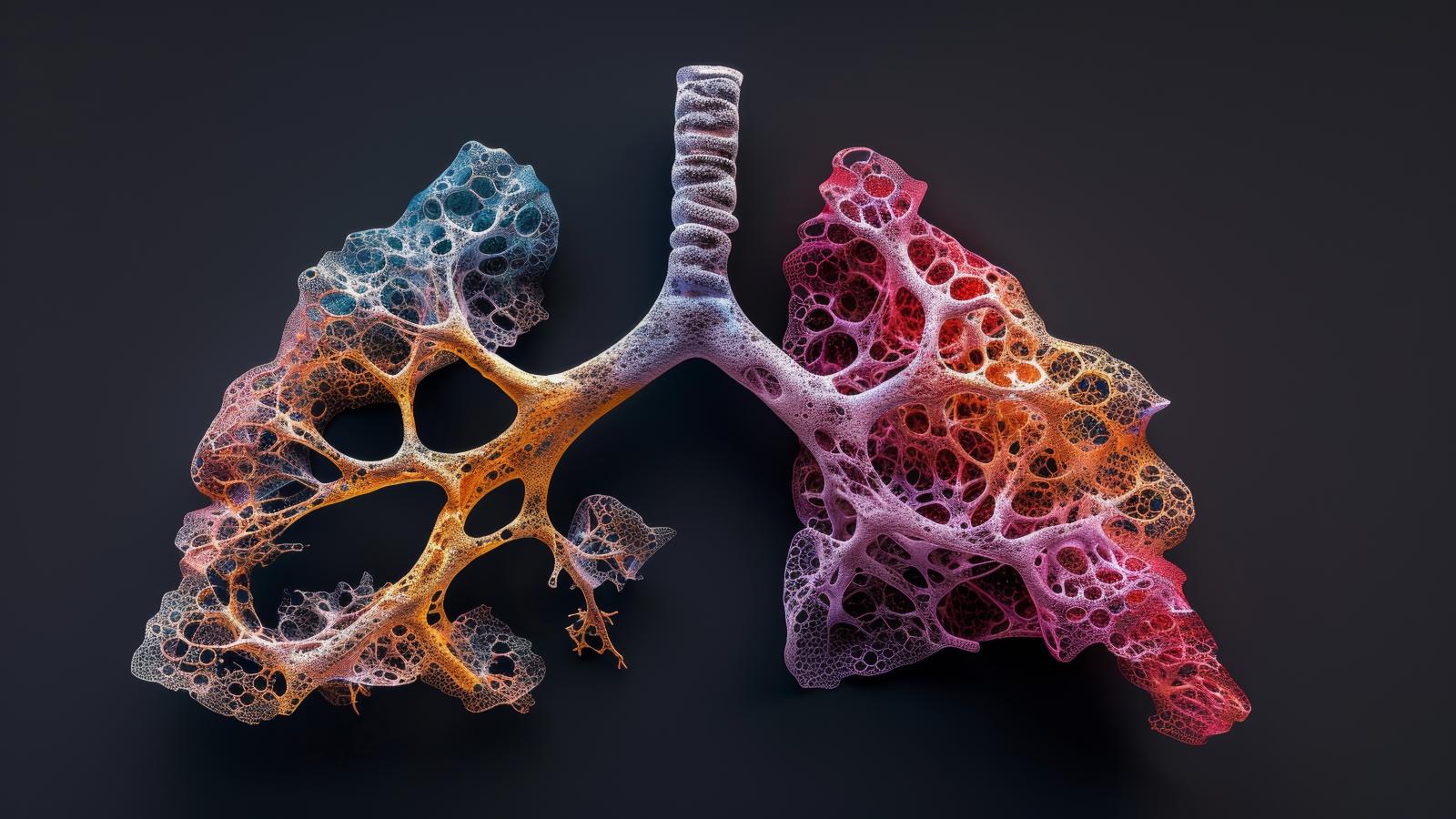
At EULAR 2026, speakers of the session “Catching Your Breath: Unravelling RA Associated Interstitial Lung Disease (ILD)” noted RA-ILD is one of the few outcomes not improving in the biologic era. Three abstracts reinforce that message and make the case for a practical, low-cost screening tool that is already in most rheumatologists’ hands.

Systemic sclerosis is a rare connective tissue disorder characterised by autoimmune features with vascular manifestations, causing fibrosis of the skin and internal organs. EULAR is focused on systemic sclerosis as the rheumatic disease with the highest morbidity and mortality. New data presented at the EULAR 2026 Congress underscore key complications, and offer hope for a possible new therapeutic strategy.

CD19-directed CAR T-cell therapy has rapidly moved into autoimmune disease, driven in large part by striking reports in SLE, where sustained drug-free remission has raised the possibility of a true immune reset. In RA, where multiple effective therapeutic classes already exist, the relevance of such deep immune interventions remains uncertain.

ASAS and the SPARTAN have updated their key classification criteria for axial SpA (axSpA). EULAR has also recently revised their recommendations on the role of imaging in the diagnosis and clinical management of spondyloarthritis (SpA). Both were presented at the EULAR 2026 annual Congress in London.
Day 3 was an interesting mix of posters, oral presentations, and review sessions on many practical subjects like osteoarthritis, large vessel vasculitis, systemic sclerosis, and pregnancy. Here are a few of my recommended abstracts from Friday at EULAR 2026.

Five years on, are we closer to licensing of the first CAR-T therapy in rheumatic and musculoskeletal diseases (RMD)?
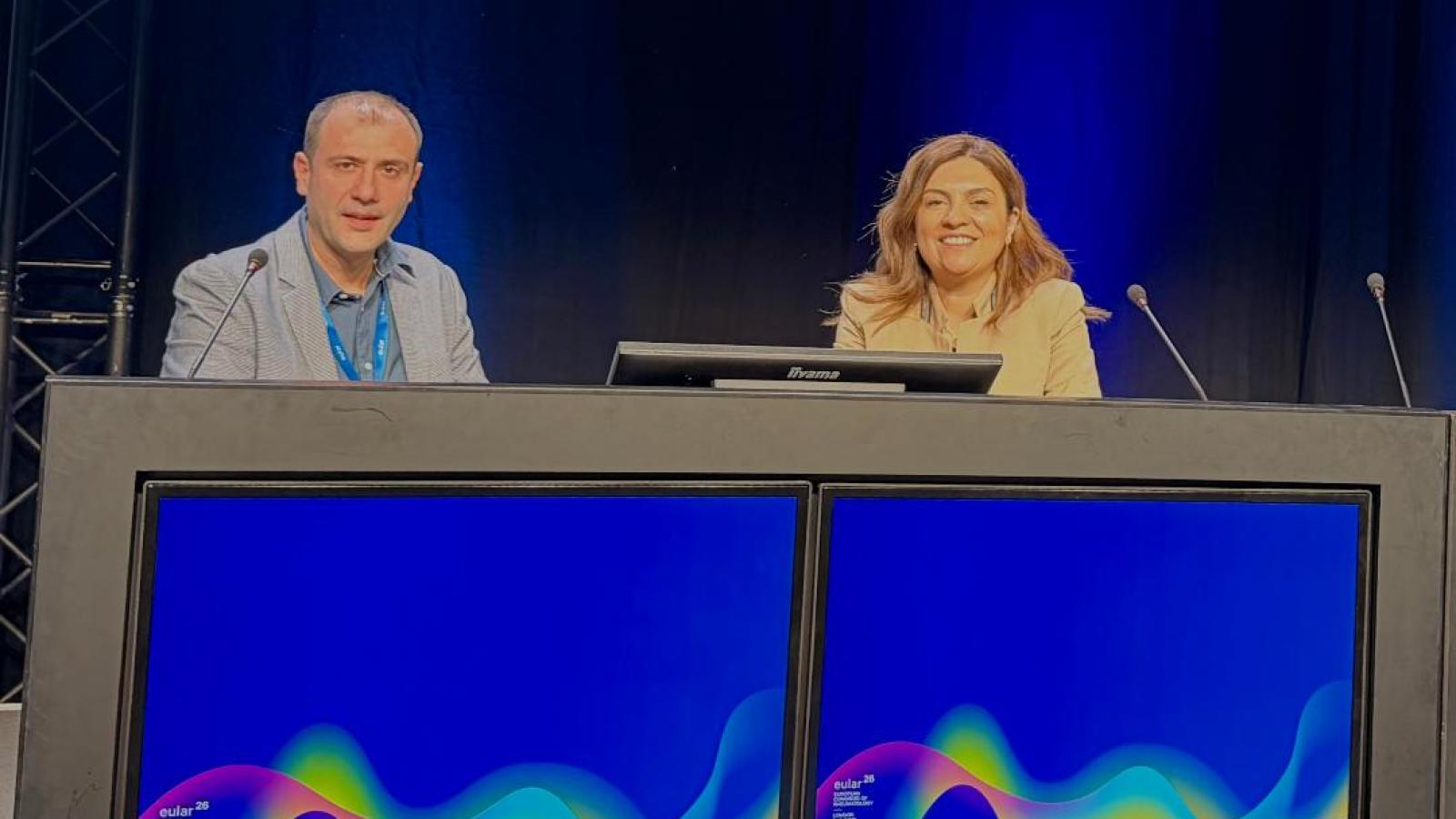
At EULAR 2026, Dr Nikolaos Kougkas presented data from a unique real-world cohort built within joint dermatology–rheumatology university centers, following 394 patients with psoriasis on bDMARDs for up to 17 years. We sat down with Dr Kougkas to unpack the methodology, challenge the results, and draw out the clinical implications for everyday practice.

The approach to the treatment of peripheral SpA has been the same for a long time. The guidelines recommend starting with NSAIDs, escalate to conventional synthetic DMARDs, typically sulfasalazine or methotrexate and reserve biologics for patients who fail those. According to a new phase 3 trial presented at EULAR 2026, there may be a different way to approach this.

There are so many SLE trials, and over the last year, many new ideas have been suggested.
Systemic lupus erythematosus (SLE) and antiphospholipid syndrome (APS) often overlap. While there have been some therapeutic advances, significant needs remain around diagnosis and monitoring, with a gap around definitions and biomarkers for refractory disease or specific subsets. EULAR – The European Alliance of Associations for Rheumatology – held its 2026 annual Congress in London, where new data showcased advances in the field.

Here is my summary of what EULAR 2026 is presenting to us in the field of biomarker-driven personalized care in RA.
Idiopathic inflammatory myopathies (IIM) are a heterogenous group of autoimmune conditions with substantial morbidity. EULAR in collaboration with the American College of Rheumatology (ACR) introduced classification criteria for the major subgroups in 2017,1 but there is a need for contemporary real-world data to understand the burden – and well as new ways of assessing disease activity.

