

For over 70 years, glucocorticoids, (GC) have been a part of standard therapy in SLE. They are classically used to not only induce remission or treat an acute flare, but also as maintenance therapy. They are a valuable 'friend' if used wisely, and can become a 'foe' if used excessively.

Abstract #0494 provides context to our continual search for better understanding of inflammatory bowel disease in patients with AS, nr-AxSpA, and PsA.

Dr. Jack Cush reviews the news and journal articles from the past week on RheumNow.com. Be sure to catch the early registration break for 2024 RheumNow Live.

On Nov. 28, 2024, FDA issued a safety alert regarding CAR-T cell immunotherapies; noting reports of T-cell malignancies (CAR-positive lymphoma) arising in patients treated with BCMA- or CD19-directed autologous CAR T cell immunotherapies and that if there is a risk, this only applies to currently approved BCMA-directed and CD19-directed genetically modified autologous CAR T cell immunotherapies.

Should rheumatologists be counseling patients on cervical cancer prevention and screening? The data from Abstract #1479 at ACR Convergence 2023 suggests that this should be an important conversation with our female lupus patients.
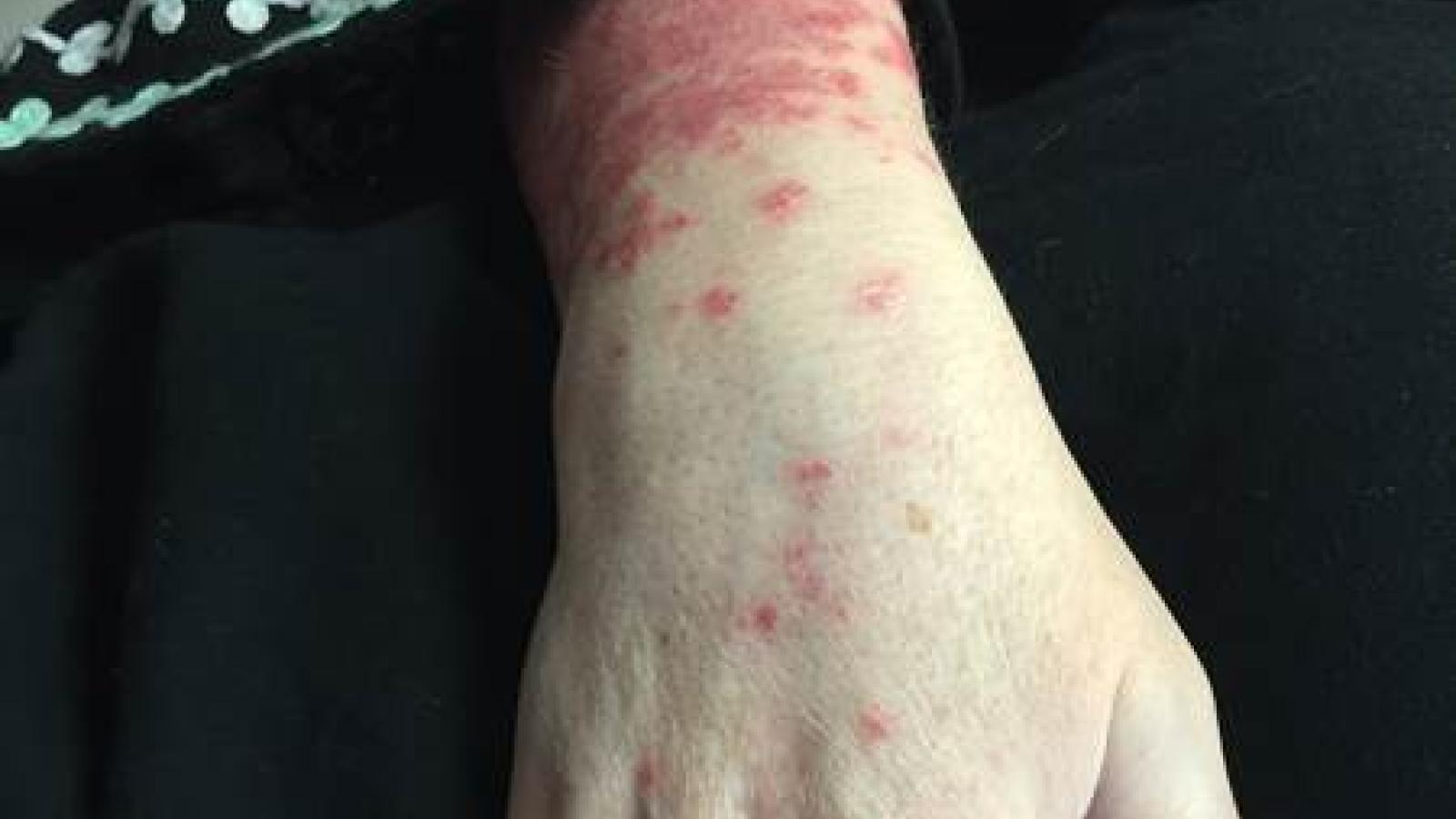
Guidelines (ACR/EULAR/GRAPPA) for the management of psoriatic arthritis (PsA) recommend the early referral of patients with the suspected condition for early assessment and treatment. There remains a diagnostic delay of 1-2 years in PsA and ideally treatment should be commenced within 1 year of symptom onset.
How early is early in PsA and is there a window of opportunity for treatment in PsA to ensure optimal outcomes?

Arthritis & Rheumatology has published a new study that suggests knee or hip osteoarthritis patients who are overweight or obese may have less premature death if slow to moderate rate of weight loss results from anti-obesity medications.

Most rheumatologists know that it is important to get pregnancy planning right for women of childbearing age living with rheumatic diseases. That is easier said than done, though: the details are difficult, it is overwhelming for the patient, and the conversations are hard.

Several abstracts have studied the mechanism of action of JAK inhibitors (JAKi) in various diseases. JAKi alter many other mediators affected by the JAK STAT pathway. For instance, T cell signature in blood that is proliferative was associated with a response in RA.

The role of thromboprophylaxis following total hip (THA) or total knee arthroplasty (TKA) is uncertain and consensus is lacking. A recent study suggests that thromboprophylaxis strategies should be tailored to individual risk of thrombosis and bleeding.

The window of opportunity concept in RA shifted our focus to trying to treat disease earlier and more aggressively to improve long term outcomes. A natural development of this was to reconsider the possibility of therapeutic interventions aimed at the prevention of rheumatoid arthritis.

Adult-onset Still’s disease is a rare complex, sporadic, systemic autoinflammatory disease similar to systemic juvenile idiopathic arthritis characterized by sustained fever, salmon-colored rash, and arthritis. The 2023 ACR convergence featured several abstracts spotlighting developments in understanding and managing this complex disease spectrum.
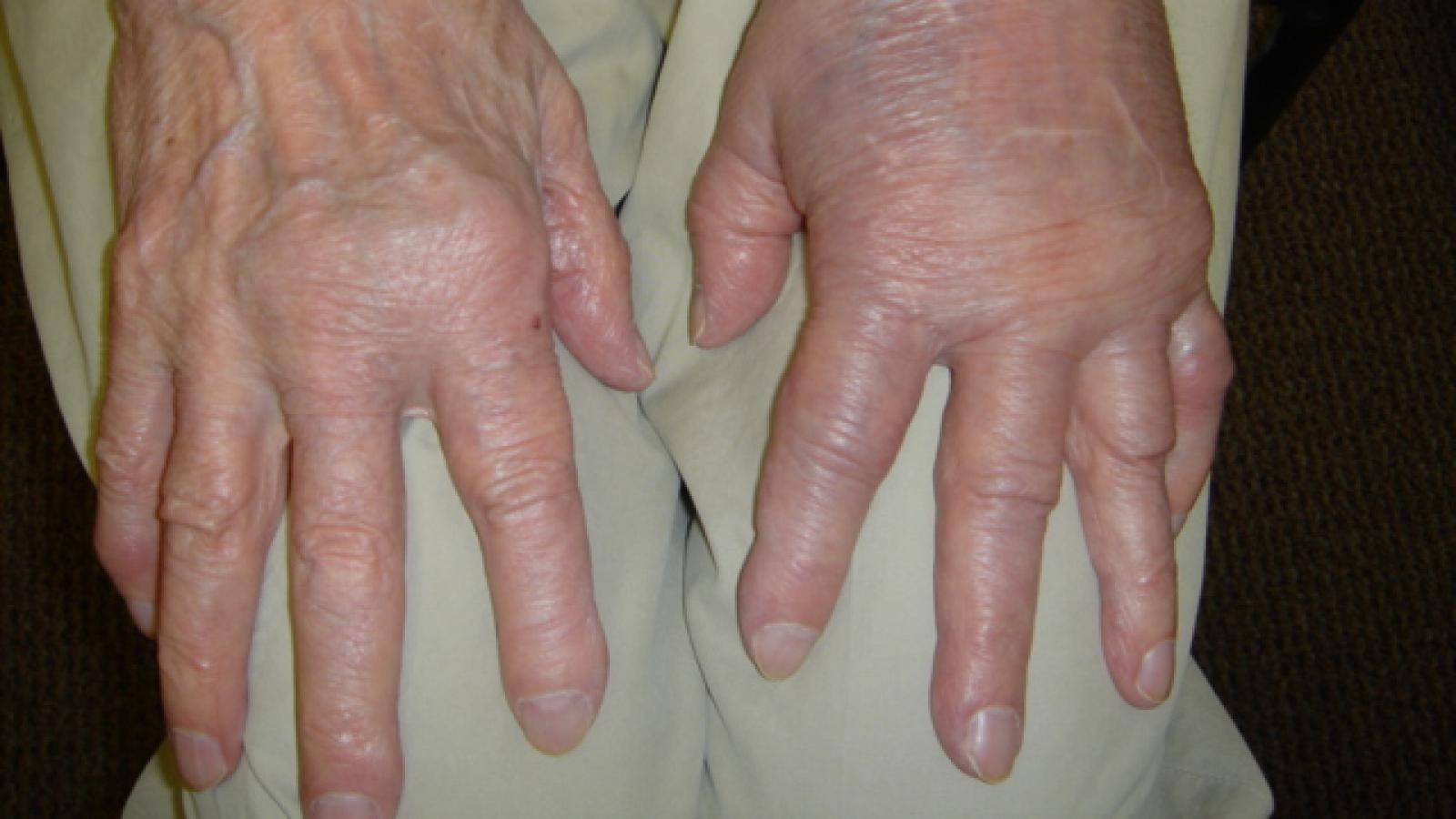
Since the millennium, we have seen an expansion in the number of advanced treatments both biologic and targeted synthetic disease modifying anti-rheumatic drugs for rheumatoid arthritis. The challenge remains on how best to characterise the subtypes of RA in order to choose the best drug to ensure optimal outcome for patients.
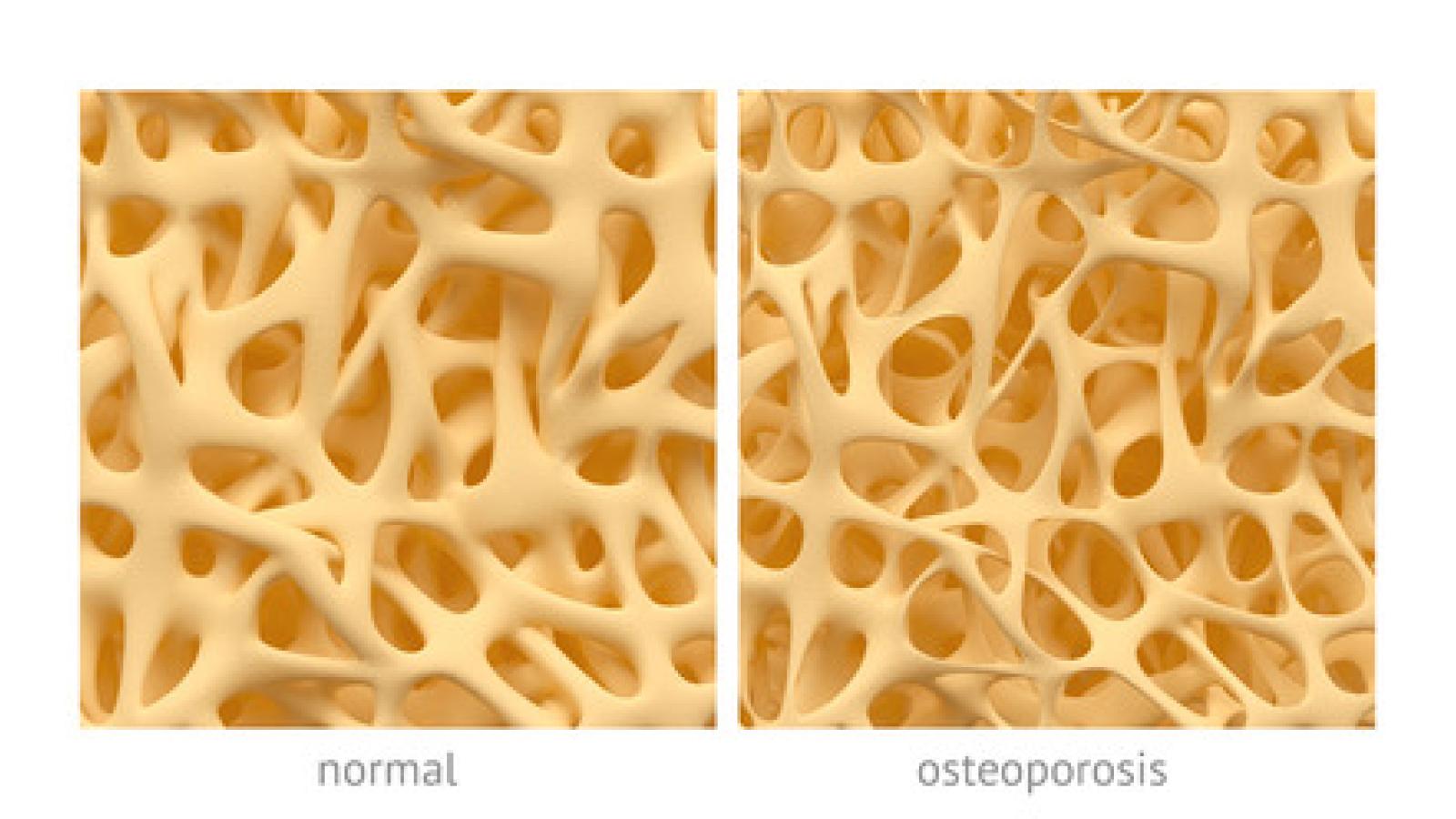
A recent New England Journal review of post-menopausal osteoporosis (OP) provided updated information, strategies and a review of guidelines and clinical recommendations. Here are the salient highlights.

Few people are aware of the EULAR recommendations for cardiovascular risk management in SLE published in 2022. The recommendations had 4 overarching principles: increase awareness of elevated cardiovascular risk, need for regular cardiovascular screening, assess and manage modifiable risk factors, and patient education. During ACR 2023 Convergence, several abstracts were presented evaluating the prevalence of CV disease and exploring new

