

Few people are aware of the EULAR recommendations for cardiovascular risk management in SLE published in 2022. The recommendations had 4 overarching principles: increase awareness of elevated cardiovascular risk, need for regular cardiovascular screening, assess and manage modifiable risk factors, and patient education. During ACR 2023 Convergence, several abstracts were presented evaluating the prevalence of CV disease and exploring new
Dr. Jack Cush discusses abstract 0726 presented at the 2023 ACR Convergence meeting in San Diego, CA.

Psoriatic arthritis and the gut microbiome have become more intertwined, especially in the past few years. It was to my amazement that one of the first abstracts I came across was the effect of probiotic modulation on gut dysbiosis and disease activity in psoriatic arthritis patients.

Abstract #0494 provides context to our continual search for better understanding of inflammatory bowel disease in patients with AS, nr-AxSpA, and PsA.

Several abstracts have studied the mechanism of action of JAK inhibitors (JAKi) in various diseases. JAKi alter many other mediators affected by the JAK STAT pathway. For instance, T cell signature in blood that is proliferative was associated with a response in RA.

A lot of interesting studies will be presented at the poster sessions on Sunday, November 12 and some of them address practical real-world issues such as treatment intensification and the impact of pregnancy on axSpA imaging.

The window of opportunity concept in RA shifted our focus to trying to treat disease earlier and more aggressively to improve long term outcomes. A natural development of this was to reconsider the possibility of therapeutic interventions aimed at the prevention of rheumatoid arthritis.
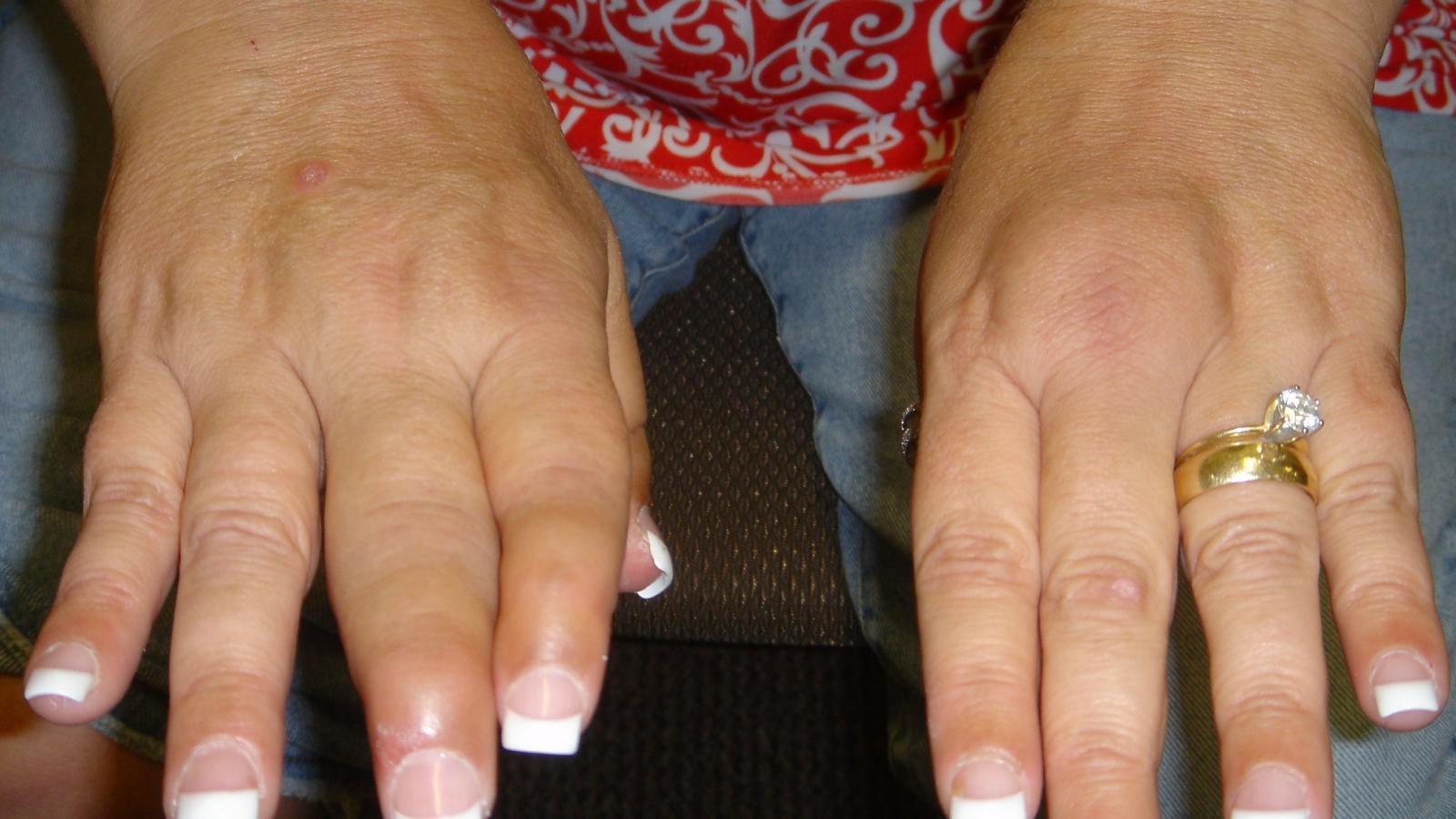
Of the many exciting advancements for patients with psoriatic arthritis at ACR Convergence, one upcoming therapy stood out: the dual IL-17A/F inhibitor bimekizumab. Nearly two dozen bimekizumab abstracts will be featured at this year’s meeting and it recently received authorization in Europe and the U.S. for psoriasis. That makes this the year I plan to figure out where this drug will be useful for my patients with PsA.

In clinical practice, pulmonary manifestations of rheumatic medical diseases such as rheumatoid arthritis (RA), psoriatic arthritis (PsA), and peripheral spondyloarthritis (pSpA) are typically not screened for upon diagnosis of a rheumatic disease in patients without any signs or symptoms suggestive of pulmonary involvement.

For over 70 years, glucocorticoids, (GC) have been a part of standard therapy in SLE. They are classically used to not only induce remission or treat an acute flare, but also as maintenance therapy. They are a valuable 'friend' if used wisely, and can become a 'foe' if used excessively.

ACR Convergence is truly drinking from the proverbial fire hose. It’s a beautiful mash-up of basic science and treatment updates meets guidelines, recommendations, and disease identification. My goal when attending any conference is to learn as much as I can, synthesize that information, and bring you clinically relevant morsels for you to consider for your practice.
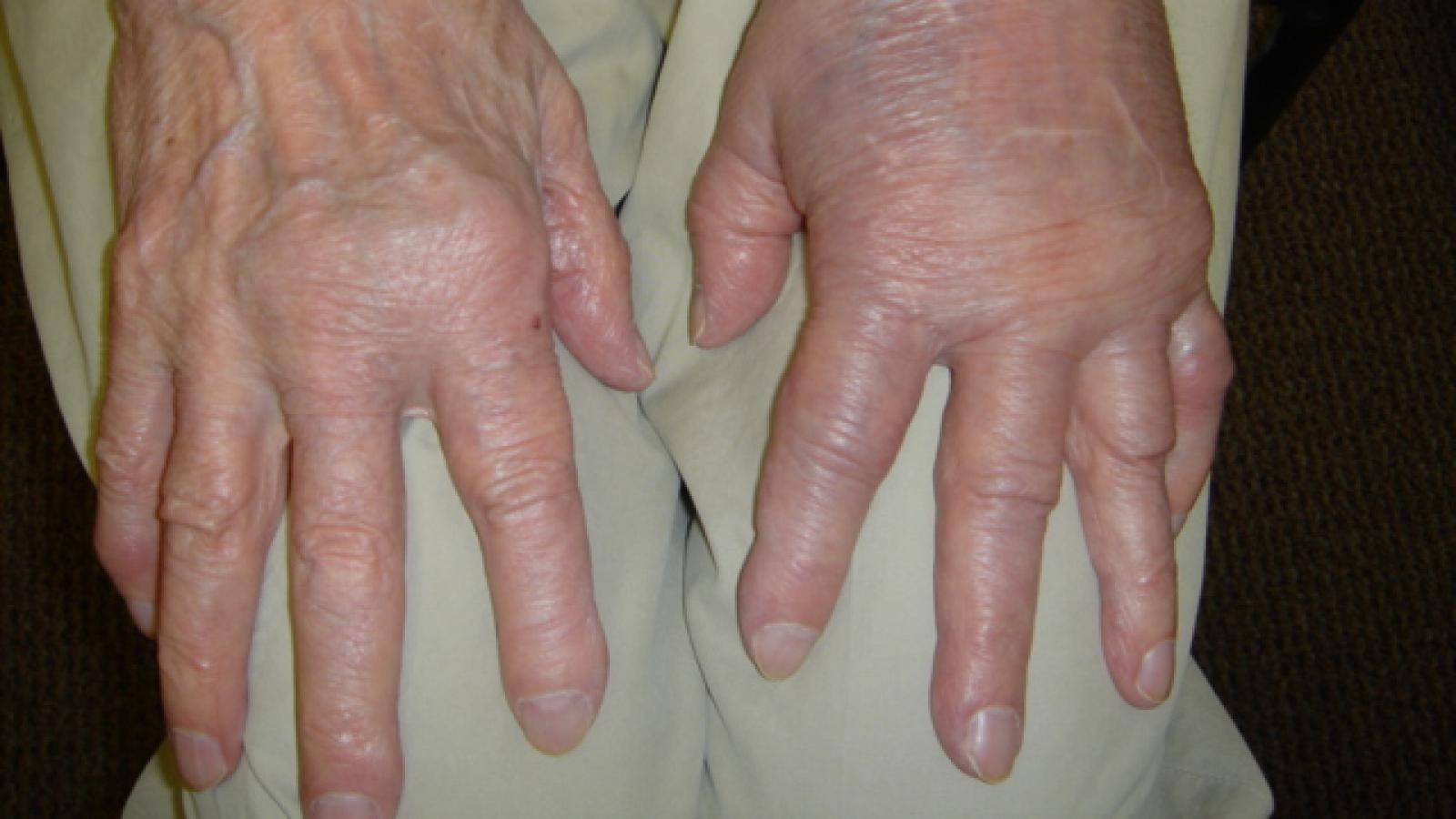
Since the millennium, we have seen an expansion in the number of advanced treatments both biologic and targeted synthetic disease modifying anti-rheumatic drugs for rheumatoid arthritis. The challenge remains on how best to characterise the subtypes of RA in order to choose the best drug to ensure optimal outcome for patients.
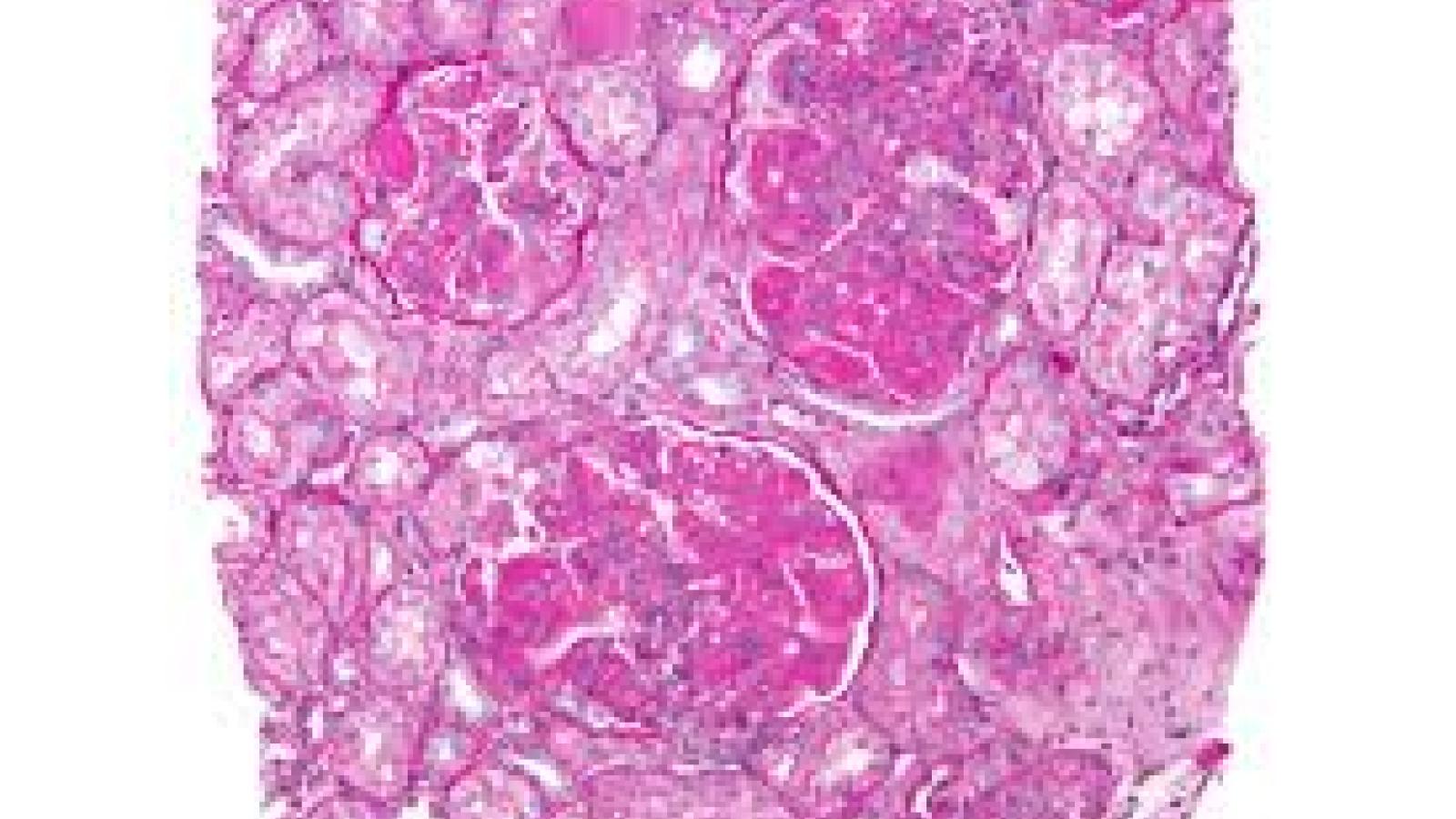
In a post hoc analysis of the phase 2 NOBILITY trial, researchers found that treatment with obinutuzumab—an antibody that targets a protein expressed on certain immune cells—was superior to placebo for preserving kidney function and preventing flares in patients with lupus nephritis, a kidney condition associated with the autoimmune disease lupus.
Dr. Jack Cush reviews this past week's news on RheumNow.com and suggests a learning plan for those wanting to consume the upcoming ACR Convergence 2023 meeting.
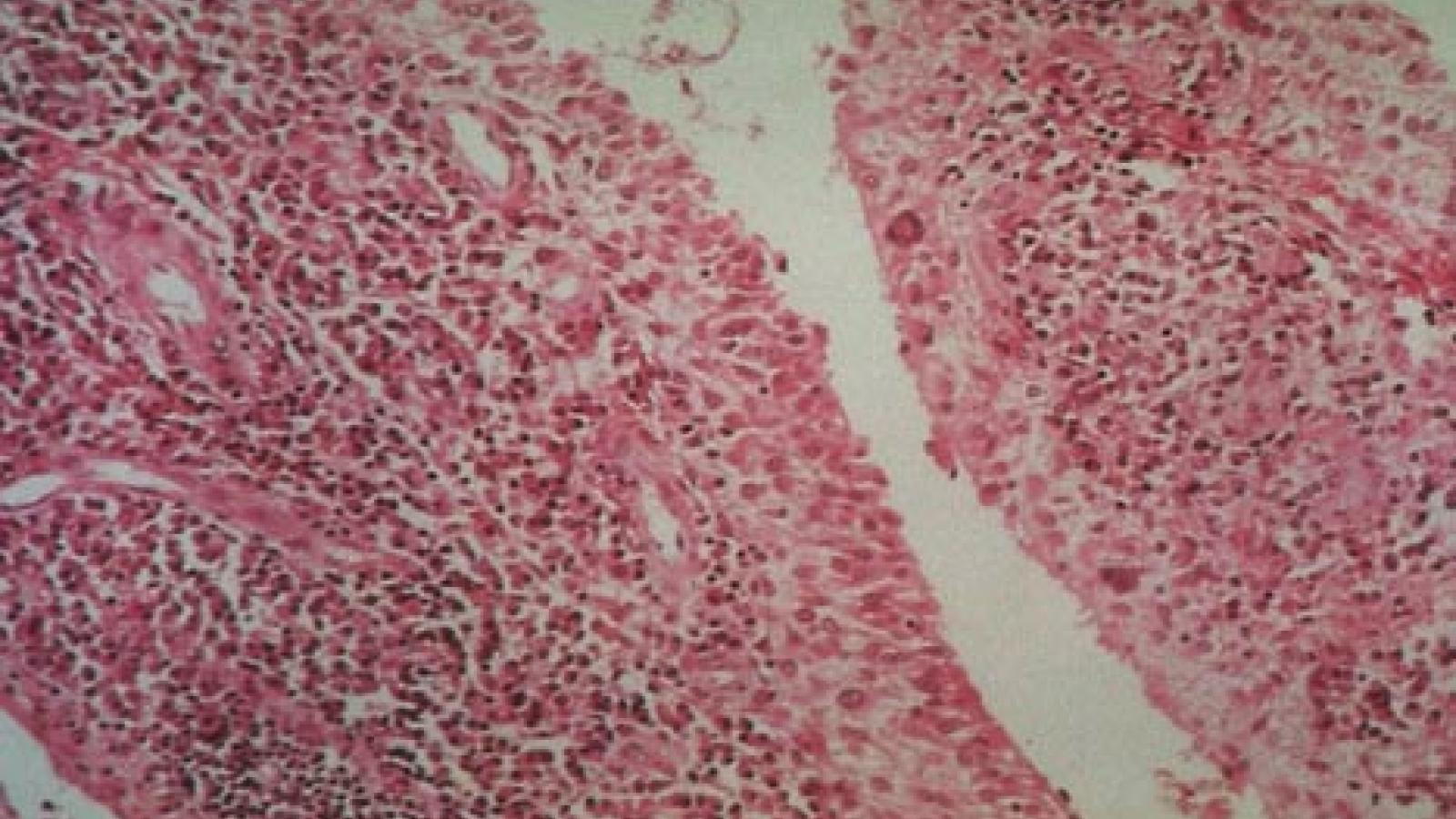
Research work from the Accelerating Medicines Partnership (AMP: RA/SLE) Network, was published in Nature and more specifically characterizes RA synovium into several cell-type abundance phenotypes (CTAPs). Could CTAPs known disease features or more effective future therapies?

