

BE OPTIMAL trial tested the benefits of a dual IL-17 A/F inhibitor, bimekizumab (BKZ), in patients with active psoriatic arthritis and showed superior efficacy over placebo, that was sustained beyond the primary endpoint, from week 16 to 52.

NEJM reported today that polymyalgia rheumatica (PMR) patients who fail to respond to standard doses of prednisone therapy, were significantly better when given the IL-6 inhibitor sarilumab (than placebo).
The study was undertaken as there is a subset of patients who have relapsing PMR and because there are several studies suggesting the efficacy and safety of interleukin-6 blockade in PMR and giant cell arteritis.
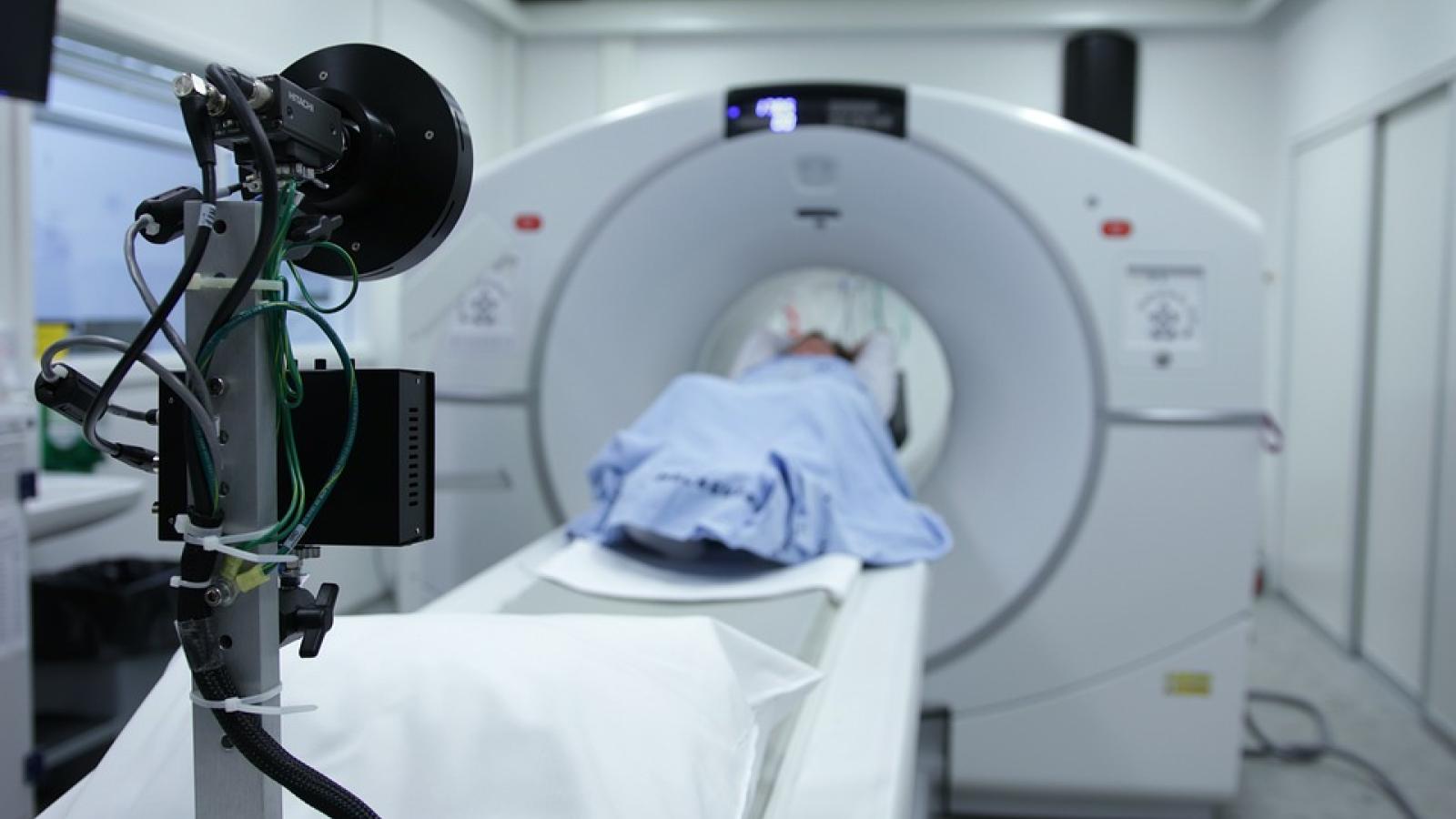
Annals of Internal Medicine reports that the use of 18F-fluorodeoxyglucose (FDG) PET imaging at the time of a giant cell arteritis (GCA) diagnosis may help estimate the risk for aortic aneurysm formation.

Panelists Dr. Claire Owen, Stephen Paget, Anisha Dua and Jack Cush discuss diagnosis and monitoring in PMR during this week's Tuesday Night Rheumatology.
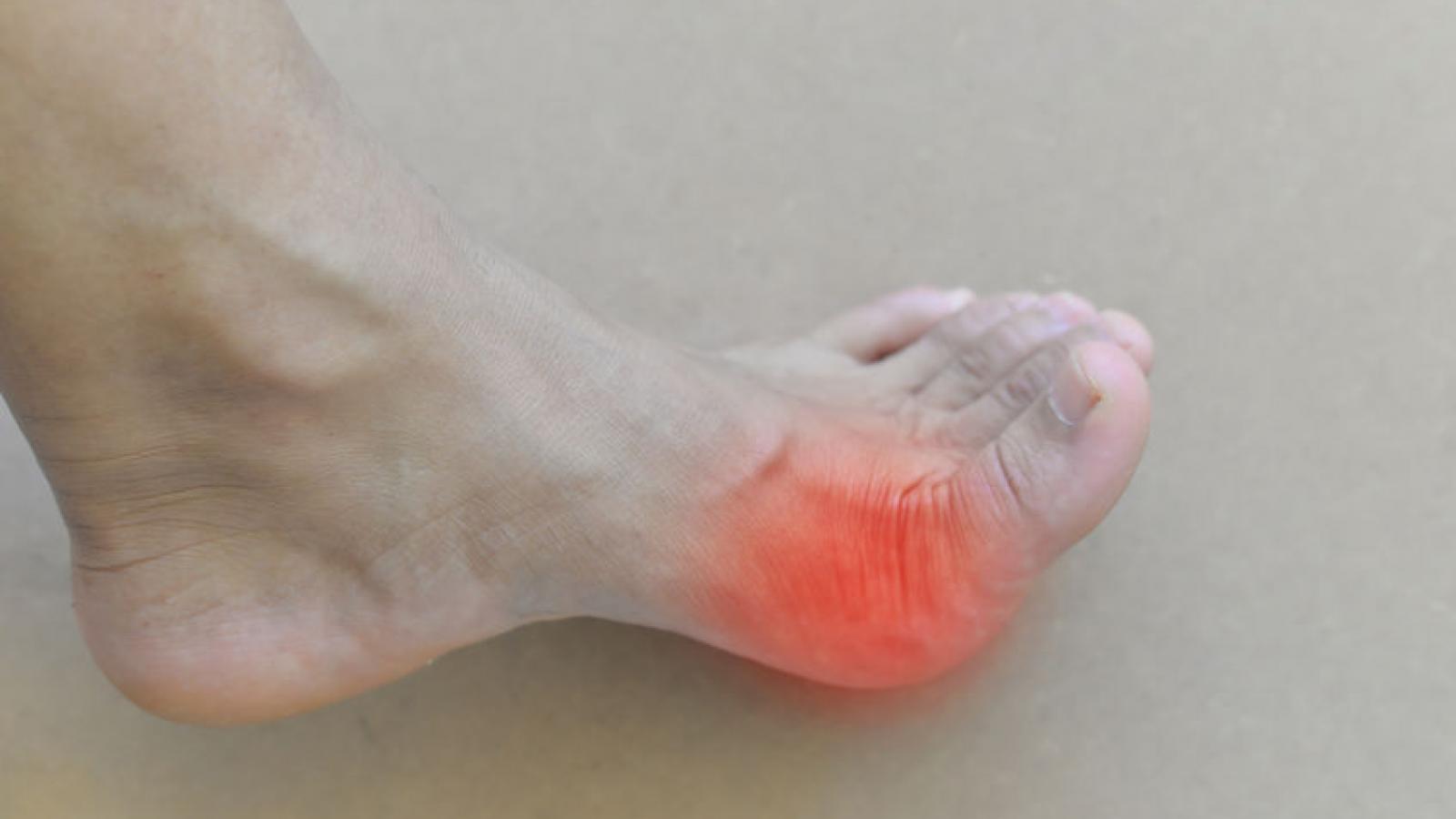
Flare prophylaxis is the standard when initiating urate-lowering therapy (ULT) in patients with gout. A new study suggests that colchicine, more so than non-steroidal anti-inflammatory drug (NSAID) prophylaxis, may increase the odds of adverse events, when initiating allopurinol for gout.

Frequent use of vascular ultrasonography and positron emission tomography and computed tomography (PET/CT) increase the possibility of encountering a patient with solely symptoms of PMR (no cranial symptoms), but giant cell arteritis (GCA) confirmed with imaging. This group of PMR patients with so-called subclinical large vasculitis represents a clinical challenge.

Today I will be talking about the gold standard tapering of glucocorticoids and polymyalgia rheumatica or PMR. Now, whenever we talk about a gold standard, it gets tricky because in practice, so many factors influence the way that we approach glucocorticoids and tapering in PMR.

PMR has come a long way from being an occasional referral and often test question, to now being a hot area of drug development and investigation. Led by numerous investigators and educators worldwide, there are new insights into the diagnosis, management and outcomes of PMR patients, with greater clarity on how and where it differs from giant cell arteritis.
This week on the podcast, Dr. Jack Cush is joined by special guest, Dr. Kathryn Dao to review the news and journal reports from the past week on RheumNow.com. They discuss unmet needs in gout, obesity and CV disease in PsA and should you check ANCA antibodies in SLE?

Physician members of the American College of Rheumatology (ACR), care team members of the Association of Rheumatology Professionals (ARP), and patients living with rheumatic diseases convened on Capitol Hill this week for the annual Advocates for Arthritis conference and to support legislative solutions to issues impacting patient access to care.

Dr. Michael Putman (Milwaukee, WI) reviews his approach to screening for ILD and RA, the potential for overdiagnosis and how this impacts treatment choices. Does this differ from your approach?

In June 2023, RheumNow surveyed US and non-US rheumatologists (Rheums) about how they consider and manage pre-clinical rheumatoid arthritis (RA) in their practice.
How best do we communicate CV risk associated with RA to other members of the treating team, most particularly the primary care physicians? After some experimentation, I have come up with an approach that seems to work and which does not take up much time.
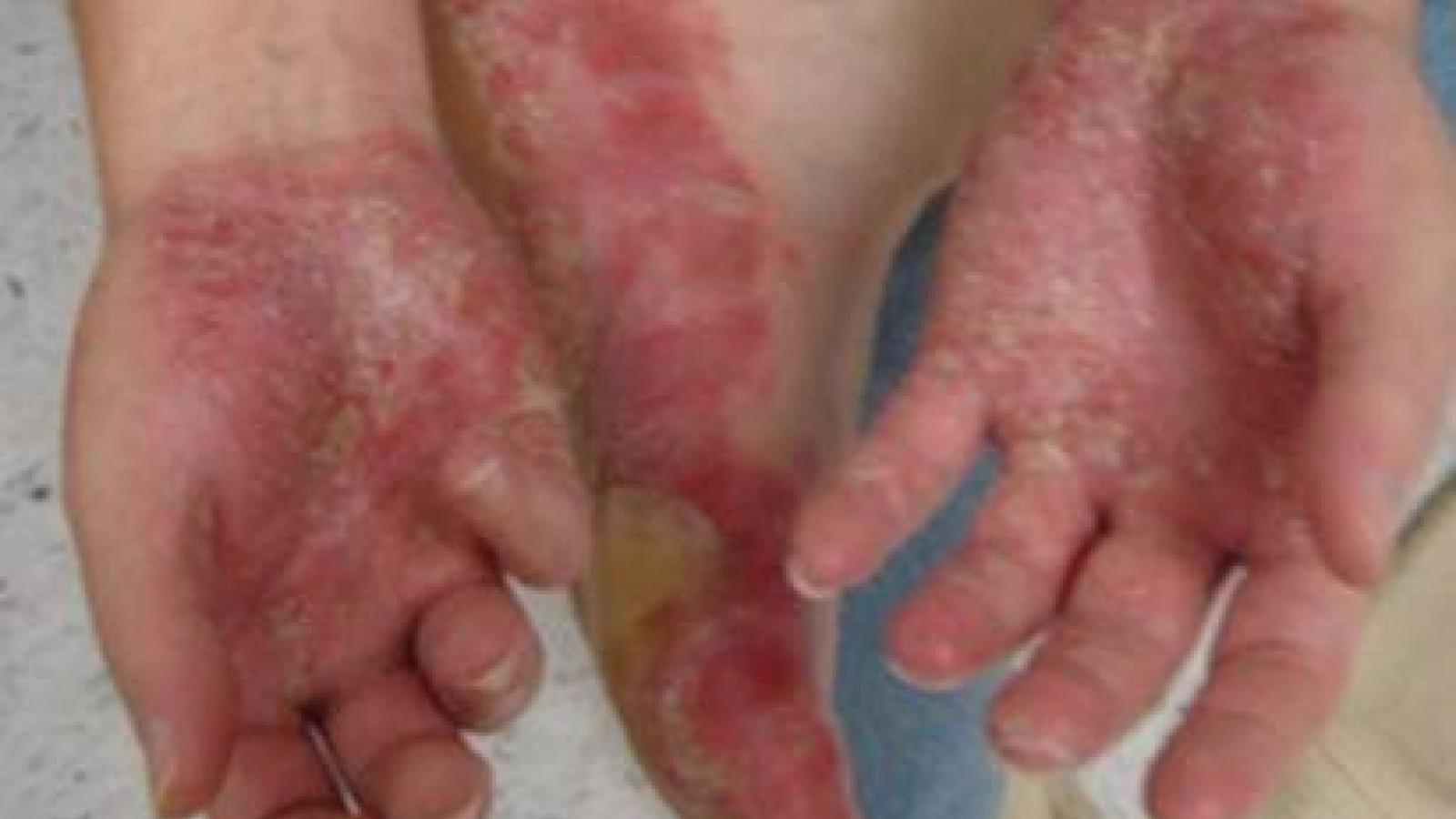
While comorbidities, including an increased cardiovascular (CV) risk, are associated with severe psoriasis, less is known about subclinical CV disease and when it occurs in patients with psoriasis.

The presence of comorbidities naturally complicates treatment choice, patient adherence to medication and patient outcomes, increasing also the risk of making RA ‘difficult-to-treat’.

