

Monogenic Inflammatory Disorders Go Unrecognized Save


Lance Rheumatology has published a large cohort analysis with a genome-first approach using whole exome sequencing to find 1 in 4026 prevalence (159/640092) of monogenic disorders, half with inflammatory features. Only one of these patients were previously diagnosed with an autoinflammatory disorder. This study suggests a substantial gap in inflammatory disease recognition that could benefit from genetic evaluation.
This study was undertaken to quantify the prevalence, penetrance, and clinical spectrum of systemic autoinflammatory diseases associated with pathogenic or likely pathogenic variants in 28 genes. The retrospective cohort included whole exome sequencing and electronic health records data from the Geisinger MyCode Community Health Initiative (USA) and the UK Biobank (UK).
The final cohort included 170,503 from Geisinger and 469,589 from the K Biobank.
They identified 159 individuals carrying rare pathogenic or likely pathogenic variants in 17 genes, corresponding to a prevalence of 0.04% in Geisinger and 0.02% in the UK Biobank with a combined estimated prevalence of one in 4026 individuals (0.02%). Only one participant had a documented diagnosis of an autoinflammatory disorder.
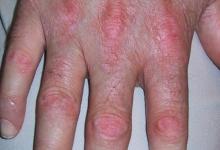
Overall, disease penetrance was 51% (Geisinger 79%, UK Biobank 32%), with 81/159 cases (51%) exhibiting significantly more inflammatory features (especially pulmonary and cutaneous), as well as diagnoses of vasculitis (Geisinger OR 5.06 and rheumatic autoimmune disorders (Geisinger OR 2.29 & UK Biobank OR 12.28).
Compared to controls, these monogenic patients were significantly more likely to be on immunosuppressive medications (Geisinger OR 3.98) suggesting clinically relevant disease.
These findings suggest that monogenic autoinflammatory diseases may be more common than currently recognised. Whole exome sequencing may be a useful tool in diagnosing unclassified inflammatory disorders, especially if immunosuppressive therapy is under consideration.
Related Content


ADD THE FIRST COMMENT
Disclosures
Disclosures
The author has no conflicts of interest to disclose related to this subject





If you are a health practitioner, you may Login/Register to comment.
Due to the nature of these comment forums, only health practitioners are allowed to comment at this time.