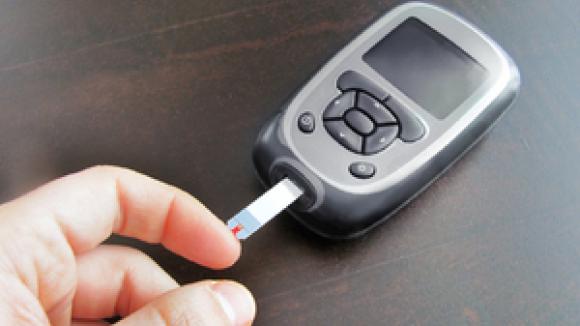
CNN reports that a new congressional analysis of Medicare drug pricing shows the prices of the 20 most commonly prescribed brand-name drugs have risen nearly 10 times the annual rate of inflation in the past five years.

All News
The journal Stroke has published a trial wherein the use of subcutaneous IL-1Ra (anakinra) was shown to reduce the peripheral inflammatory response in those with an acute ischemic stroke.
Dr. Jack Cush reviews the highlights from the news, journals and major meetings. New announcements and approval from the FDA; novel associations between ANCA vasculitis and thyroid disease; flare rates after arthroplasty; and pregnancy outcomes for men and women.
Lancet reports that 12 months of sirolimus treatment is associated with improvement in lupus disease activity presumeably by correction of pro-inflammatory T-cell activity.
Geniculate artery embolization was found to dampen knee pain arising from osteoarthritis, according to interim study results presented at the 2018 annual meeting of the Society of Interventional Radiology.
The current issue of JAMA has a perspective article on Gout’s bad rap as dietary disease rather than the complex, chronic inflammatory disorder that is ineffectively treated in many.
Researchers at Northwestern University have used ultrasound-guided tissue biopsy from the joints to analyze the genes of tissue macrophages with the hope that transcriptional profiling of synovial macrophages may be correlated with clinical parameters or drug responsiveness in rheumatoi
MMWR reports that In 2015, the number of adults with arthritis continued to increase; with marked geographic variability in arthritis estimates with gaps in arthritis management.
Dr. Jack Cush reviews the highlights from the news, journals and major meetings. Bigtime rheumatologic lessons with tales from intestinal crypts, the friendly skies & the hips of hockey players. Also the microbiome and lupus, benefits of ENT findings with GPA and rare risk of opportunistic infections with biologics.
The British Society for Rheumatology Biologics Register for Rheumatoid Arthritis has studied nearly 20,000 patients and observed that there is no substantially different risk of opportunistic infections between different biologics.
The CARES study was presented Monday at the American College of Cardiology meeting in Orlando and finds that while the rates of all major cardiovascular (CV) events were comparable between febuxostat or allopurinol, there were more CV deaths with febuxostat.
Yesterday a FDA advisory panel voted 15-0 in favor of approving Xeljanz (tofacitinib) 10 mg bid for patients with moderate to severe ulcerative colitis.
This edition of RheumNow's Drug Safey Bulletin includes drug safety news, FDA updates, FDA safety labeling changes and reported drug shortages.
The CDC released new information yesterday showing that emergency department (ED) visits for opioid overdoses rose 30% in the US from July 2016 through September 2017; in addition, those with an overdose are more likely to a repeat overdose.
In comments submitted today to the US Department of Labor in response to its Association Health Plans (AHP) proposed rule, the American College of Rheumatology urged Administration officials to protect essential health benefits and other consumer protections that make it possible for individuals
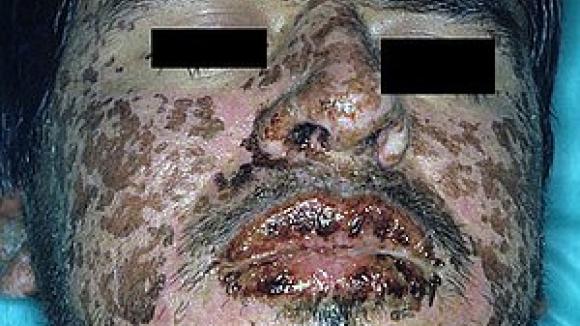
The Journal of Clinical Investigation reports the results of a trial wherein etanercept (ETN) was shown to be effective in treating cytotoxic T lymphocyte–mediated (CTL-mediated) severe cutaneous adverse reactions (SCARs), including Stevens-Johnson syndrome (SJS) and toxic epidermal necrolysis (T
An animal model study in the Journal of Endocrinololgy reports the potential use of leflunomide in the control of hyperglycemia in male mice.
This retrospective review is drawn from the authors collection of the most impactful publications, research and news that occurred in 2017. In no particular order, here are my top rheumatology advances, news and research reports for calendar year 2017.
A Taiwanese study of 55,629 hypertensive patients shows no increased risk of major cardiovascular events comparing outcomes of patients started on COX-2 selective NSAIDs compared with nonselective NSAIDs (including ibuprofen, diclofenac and naproxen).
A study of USA administrative claims data between 2000 to 2014 assessed the risk of cancer with exposure to tumour necrosis factor inhibitor (TNFi) in pediatric patients and found that TNFi therapy did not significantly increase the risk compared those not receiving TNFi.