Dr. Jack Cush reviews the news, FDA approvals, journal articles from the past week on RheumNow; plus viewer questions. This week great hopes for vitamin D, the great unknows of CSA and the great big mess that is the gout.

All News
The ACR has posted a new ACR Clinical Practice Guideline Summary providing recommendations on the use of vaccinations for children and adults with rheumatic and musculoskeletal diseases (RMDs).
A large case-control study showed that gout patients who experienced a cardiovascular (CV) event were more likely to have had a recent (< 120 days) gout flare compared to those without CV events.
Tan and Buch have reviewed the approach to difficult to treat rheumatoid arthritis (D2T-RA), with a new EULAR definiation of D2T-RA to foster an approach rationale and concideration of treatment options.
NEJM has published study results showing that vitamin D3 supplementation does not significantly lower fracture risk (vs. placebo) when used in generally healthy adults.
Krill oil supplements in knee osteoarthritis (OA) was shown to be superior to placebo in reducing knee pain, stiffness and function while increasing the omega-3 index.
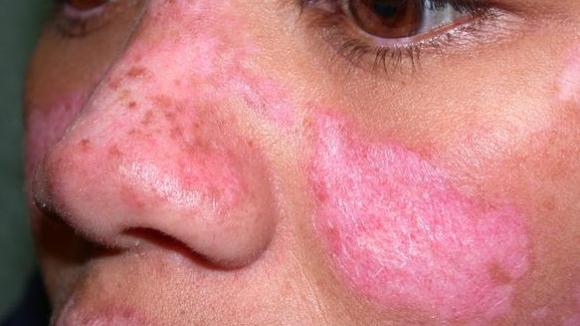
Litifilimab, a humanized monoclonal antibody against BDCA2, targets the BDCA2 receptor on plasmacytoid dendritic cells. When administered to patients with cutaneous lupus erythematosus (CLE) was shown reducing disease activity in CLE patients.
The janus kinase inhibitor, upadacitinib, has been shown to significantly improve the signs and symptoms of non-radiographic axial spondyloarthritis (nr-AxSpA), extending the efficacy of UPA beyond classic ankylosing spondylitis.
Dr. Jack Cush reviews the news, journal reports and rheumatologist cases from the past week on RheumNow.com. This podcast is brought to you by StillsNow.com - be sure to sign up for our monthly StillsNow email and Monthly StillsNow Podcast.
Mehta et al have published a full read review of managing interstitial lung disease (ILD) in patients with inflammatory myopathies, a heterogeneous group of syndromes connected by ILD and and increased morbidity and mortality risk.
There is no “test” (blood or other) that is solely diagnostic of Still’s disease, but labs can help make a diagnosis or manage disease, and affirm the safety of drugs in use.
Management of arthralgias before a certified rheumatoid arthritis (RA) diagnosis is challenging - should one use DMARD therapy before clinically evident synovitis in a preemptive effort to avoid or forestall the diagnosis or damage of RA?
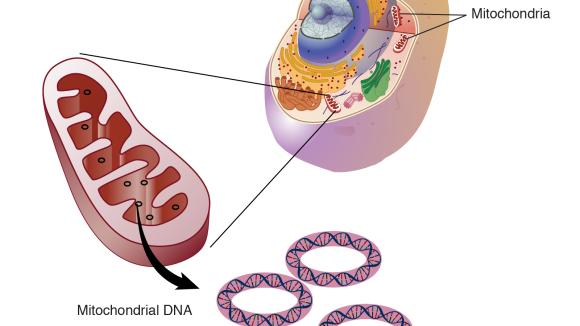
Mitochondrial constituents and metabolic products may give rise to immune activation; this is especially true for mitochondrial DNA, which can function as damage-associated molecular patterns (DAMPs) leading to inflammasome activation.
Are you treating “systemic” or “articular” (arthritis) Still’s disease? Most Still’s patients have a dominance of one or the other. With certainty, the right therapy for the right symptoms can be chosen. What about patients who have an incomplete or no response, or who become unresponsive to a drug that once worked well?