2020 was historic, memorable and game-changing. Under the cloud of COVID-19, there were many significant and memorable advances and setbacks for the rheumatology world. In our accounting of most read articles for 2020, (not surprisingly) 17/20 were COVID-related.
All News
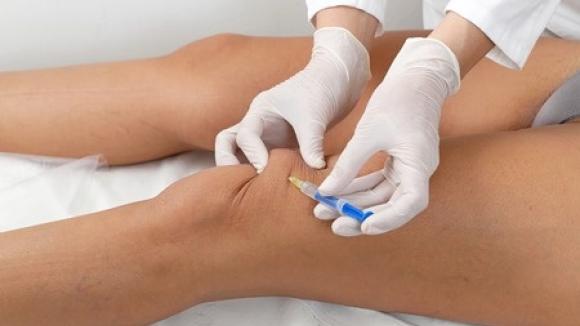
EULAR has published evidence-based recommendations on the use of intra-articular therapies (IAT) based on the literature review and recommendations of a multidisciplinary international task force. These IAT recommendations apply to adult patients with peripheral arthropathies.
The 2021 Medscape Survey on Physician burnout ranks rheumatology second, just behind Critical Care medicine.
The survey included over 12,000 physcians from 20 specialties. While 42% of MDs claimed to be burnt-out, Rheumatologists claimed this 50% of the time. The top 3 this year were Critical care (51%), Rheumatology (50%) and infectious disease (49%).
Genentech announced Thursday that the US Food and Drug Administration approved tocilizumab (Actemra) for the treatment of Systemic Sclerosis-associated Interstitial Lung Disease (SSc-ILD), specifically indicated for slowing the rate of decline in pulmonary function in adul
The FDA has notified healthcare professionals of a safety alert concerning tofacitinib (Xeljanz), noting that preliminary results from a long-term safety clinical trial show an increased risk of serious heart-related problems and cancer with tofacitinib (compared to adalimumab) when given to at-risk rheumatoid arthritis patients. These findings are in addition to the thrombotic risks (added to the label), potential risks including blood clots in the lungs and death.
Pfizer announced results Wednesday from its FDA-mandated postmarketing safety study of tofacitinib (Xeljanz), and they don't bode well for the drug and possibly others in its class.
Dr. Jack Cush reviews the news and journal reports from this past week on RheumNow.com.
Neuropsychiatric (NP-SLE) or CNS lupus events range from mild to severe; several recent studies have noted that NPS lupus is common and should be screened for.
A metanalysis of the literature finds 22 studies wherein the mean frequency of NPSLE ranged from 10.6% to 96.4%. When researchers with the Swiss SLE cohort study looked at their population, NPSLE was found in 28.1%. This included cerebrovascular insults, seizures and psychosis.
The American College of Rheumatology (ACR) has issued new guidelines on the treatment of rheumatoid arthritis, addressing questions about initial treatment with methotrexate and minimizing reliance on glucocorticoids.
Rituximab (RTX) has been in the news a lot lately; more surprisingly for its potential benefits in progressive systemic sclerosis (SSc).
Ebata and colleagues have published the results of a double-blind, randomised, placebo-controlled trial comparing intravenous RTX to placebo in 56 SSc patients. Patients had to have a modified Rodnan Skin Score (mRSS) of 10 or more. The primary endpoint was the change in mRSS at 24 weeks.
The American College of Rheumatology (ACR) has released an updated position statement on patient safety and site of service for biologics outlining several reasons why the ACR strongly believes infusions should be administered in a monitored health care setting with onsite supervision by a provid
Dr. Jack Cush reviews this week’s news and journal reports featured on RheumNow.com.
Debates over ideal candidates for total knee replacement (TKR) in osteoarthritis patients often excludes those who are obese, but a recent article in the Annals of Internal Medicine suggests that TKR is both effective and cost-effective in obese patients (BMI >40 kg/m2) with