
Article
Dr Jack Cush reviews the news, Journal reports, CDC guidelines and viewer questions from the last week on RheumNow.com

Search for Terms or Answers
Dr Jack Cush reviews the news, Journal reports, CDC guidelines and viewer questions from the last week on RheumNow.com
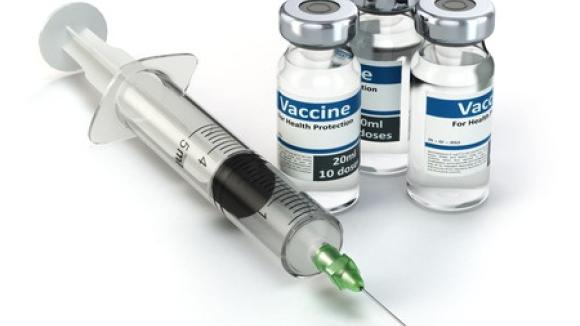
JAMA reports a safety survey of hospital employees showing that the risk of anaphylaxis from mRNA vaccines is 2.47 per 10,000 individuals.
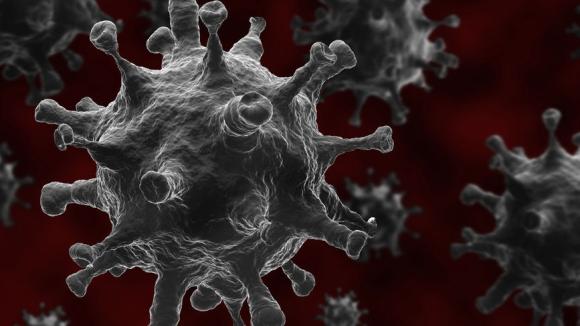
There is a growing body of evidence regarding COVID-19 outcomes (including death) in rheumatic disease patients; analysis of a German registry shows that poor control, rituximab, sulfasalazine and other immunosuppressives could be risk factors for COVID-related death.
On Feb. 27, the Food and Drug Administration announced it has issued an emergency use authorization for Johnson & Johnson’s one-dose Covid vaccine, making it the third COVID-19 vaccine to be commercially available. We've compiled a comparison table and some key information relevant to your delivering patient guidance henceforth.
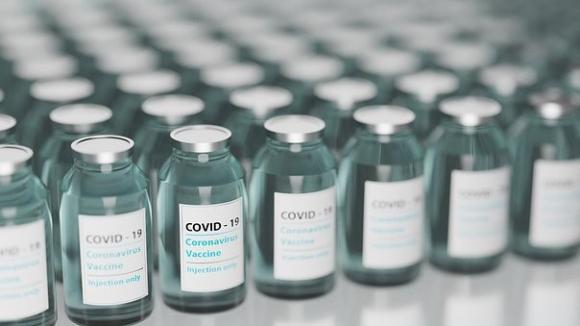
Among 330 million Americans, roughly 32.1 million have been fully vaccinated and 61.1 million have received at least one dose of a COVID-19 vaccine (as of March 8th).
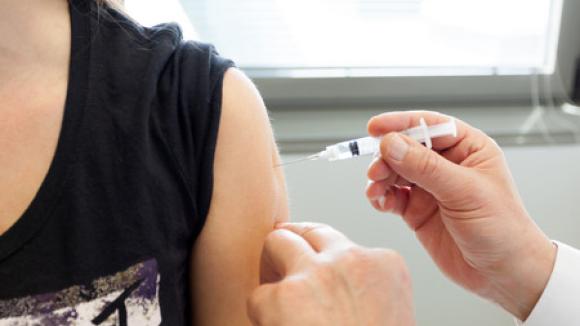
Dr. Jack Cush reviews and discusses nearly a dozen news reports and journal articles from the past week on RheumNow.com.
The NEJM has published the results of the ACCT-2 Study, a double-blind, randomized, placebo-controlled trial evaluating baricitinib, an inhibitor of Janus kinase 1 (JAK1) and JAK2, plus remdesivir in hospitalized adults with Covid-19. The primary outcome was the time to recovery.
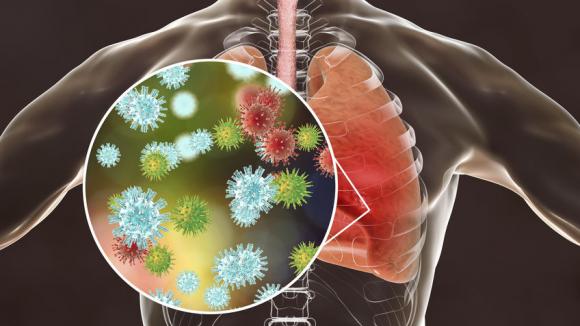
The American College of Rheumatology has published a draft guidance on the use of COVID-19 vaccination in rheumatic disease and musculoskeletal disease patients, based on the efforts of the North American Task force. The document provides guidance to rheumatology providers on the use of the COVID-19 vaccine and the associated management of RMD patients around the time of vaccination. Here is a summary of the recommendations.
While comorbidities are associated with severe COVID-19 infection, it appears they also influence severity and survival in rheumatic disease (RMD), according to a a French cohort study,

Among children with multisystem inflammatory syndrome (MIS-C), treatment with IVIG and methylprednisolone vs IVIG alone was associated with a more favorable fever course. MIS-C is a rare but serious pediatric condition associated with COVID-19 where different body parts can become inflamed, including the heart, lungs, kidneys, brain, skin, eyes, or gastrointestinal organs.

There is a preponderance and mounting evidence that hydroxychloroquine is ineffective in COVID-19 infection; and now the NEJM reports a the results of a trial where HCQ given as post-COVID exposure therapy failed to prevent SARS-CoV-2 infection or symptomatic Covid-19 in healthy persons.
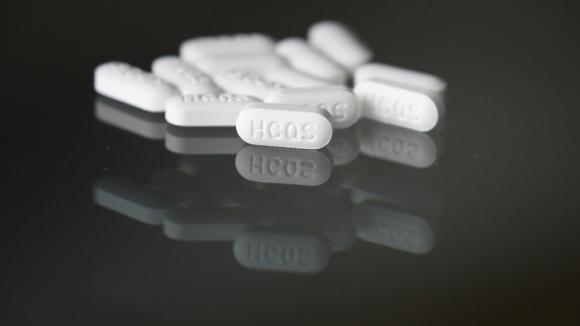
For a variety of reasons, the use of anti-malarials (chloroquine and hydroxychloroquine) rose dramatically in the pandemic; notable was the lack of proven benefit and the dramatic risk in reported adverse drug reactions (ADRs) associated with these drugs being used to treat SARS-CoV-2.

Predictive modeling of data derived from the DANBIO registry (of treated IMID patients) revealed a 4 fold increased risk of serious infection (SIE) in those starting biologic DMARD (bDMARD) treatment. From this large dataset, researchers developed a simple prediction model to estimate future infection risk that may inform shared decision-making in individual patients.
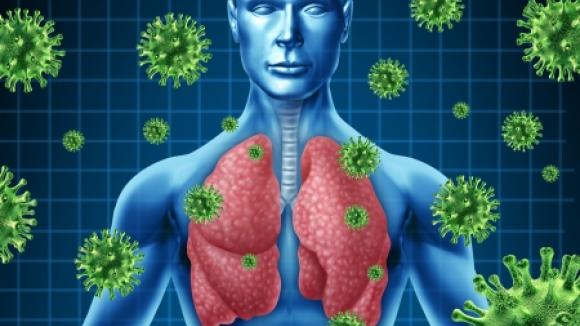
A systematic review by Urowitz and colleagues examined placebo responses in randomized controlled trials of non-renal, non-neuropsychiatric SLE patients showing unexpectedly high placebo responses; with more than one-third of the placebo-treated SLE patients responding by validated outcome measures.
A press release from Montreal Heart Institute announced that the COLCORONA clinical trial provided evidence of the protective effect of colchicine; demonstrating a 21% reduced risk of death or hospitalizations in patients with COVID-19 compared to placebo. COLCORONA trial was a contact-less, randomized, double-blind, placebo-controlled study of 4,488 non-hospitalized patients from Canada, the U.S., Europe, South America and South Africa.
Dr. Jack Cush reviews the news and journal articles from the past week on RheumNow.com, with more than a dozen items to discuss on this week's podcast.
NEJM has published the interim analysis of the REGN-COV2 trial, wherein an antibody cocktail reduced viral loads with less clinical consequences.
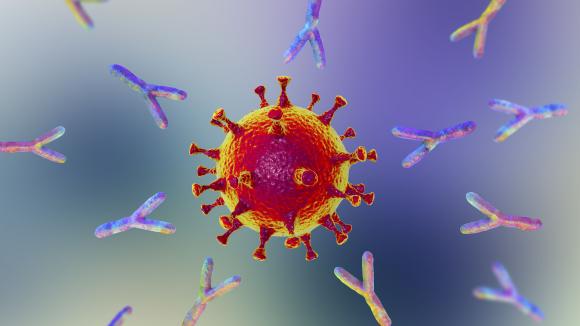
JAMA has published the BLAZE-1 study, showing significant SARS-CoV-2 viral load reduction at day 11 and less COVID-19 progression when combination anti-spike monoclonal antibody therapy (bamlanivimab and etesevimab) was given to mild to moderate, non-hospitalized COVID-19 patients.

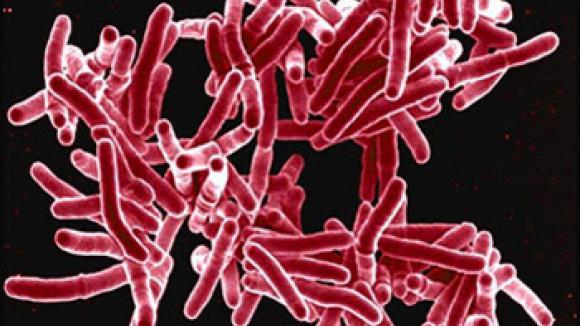
JAMA Dermatology has reported on a longitudinal cohort study of 12,319 secukinumab (SEC) treated patients (psoriasis, psoriatic arthritis, or ankylosing spondylitis); no new cases of active tuberculosis (TB) and very few cases of latent tuberculosis infection (LTBI) were f
By downloading this material, I acknowledge that it may be used only for personal use and personal education and that I will accredit RheumNow.com as the source and owner of this material. Commercial use or mass reproduction of this material without permission from RheumNow (info@rheumnow.com) is prohibited.


