
Article
Dr. Jack Cush reviews the news and journal articles from the past week on RheumNow.com.

Search for Terms or Answers
Dr. Jack Cush reviews the news and journal articles from the past week on RheumNow.com.
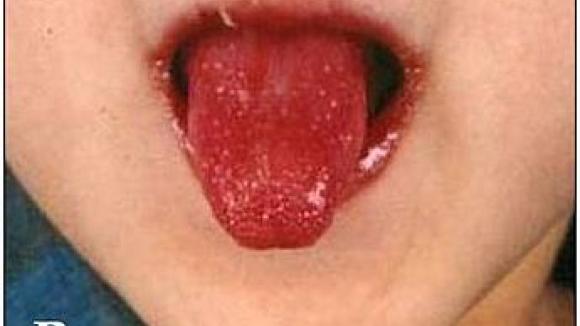
The latest hazardous spinoff to the coronavirus infection is an inflammatory, Kawasaki-like syndrome unique to children or adolescents with COVID-19. Sporadic reports from around the globe of this severe pediatric COVID syndrome have littered the news with brief mentions and little detail.
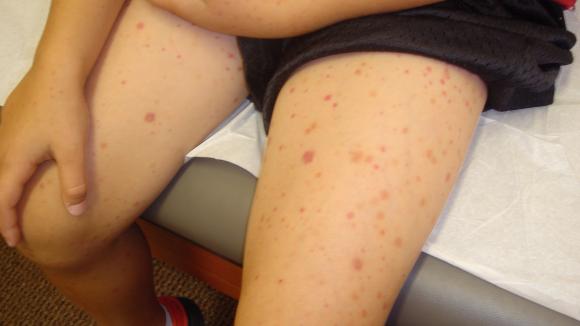
As data continue to emerge about a multi-system inflammatory disorder in children apparently connected to COVID-19, evidence is growing that this is not your typical Kawasaki disease.
Dr. Jack Cush reviews the news and journal reports from the past week on RheumNow.com.
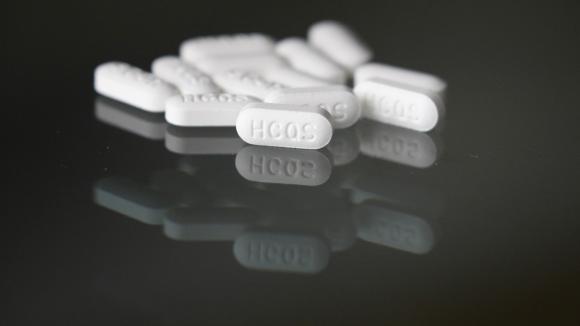
Hydroxychloroquine has been a dominant news item since the start of the COVID-19 crisis, with a great deal of misconceptions by those who don't know or use or take the drug. HCQ leaped to the headlines on March 19th when President Trump endorsed the drug as being “approved” by FDA. Of course at that time, it was still only approved for SLE, RA and malaria and it wasn't until 2 weeks later (March 31st) that the FDA issued an "emergency use authorization" allowing the use of either chloroquine or HCQ for treatment of severe, hospitalized patients with COVID-19.
To provide clarity and evidence - here are some of the facts you need to know.
Pediatricians are asking the question - could this be a rare manifestation of COVID-19 in children?
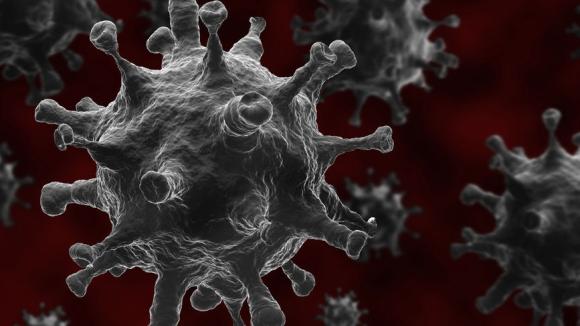
Early reports on the COVID-19 pandemic allude to a cytokine storm or hyper-inflammation, especially in patients who succumbed to the illness.

Dr. Jack Cush reviews the appproach to evaluating fever in adults suspected of having a rheumatic disease, Stills disease or autoinflammatory conditions.
Dr. Jack Cush reviews the news, journal articles and new ACR COVID-19 guidelines from the past week on RheumNow.com.
The presentations of the COVID-19 infection have been clearly chronicled with the worrisome onset of sore throat, dry cough, loss of smell and taste with fevers, myalgias, fatigue and the worrisome progression of pulmonary involvement in a minority. Lab findings may include a leukocytosis,
On April 11th, the ACR Board of Directors approved a COVID-19 guidance document written by an ACR task force charged with updating and clarifying recommendations for rheumatologists and rheumatic disease patient management during the current COVID-19 crisis.
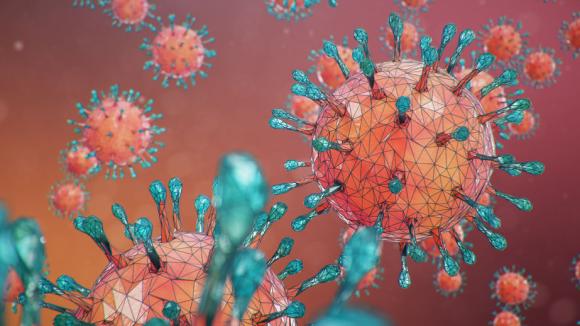
The 9/11/01 terrorist attach on the World Trade Center (WTC) resulted in at least 2,977 fatalities, over 25,000 injuries, and caused at least $10 billion in infrastructure and property damage. Arthritis & Rheumatology reports that dust cloud exposure among responders and

Dr. Jack Cush reviews the news on COVID-19 and FDA actions this past week. Be sure to check out:
In the midst of a global pandemic of the 2019 Novel coronavirus acute respiratory disease (COVID-19), a small handful of Rheumatologists gathered on social media to collectively grapple with the impact of this virus on vulnerable populations with rheumatic disease.

As the highly virulent SARS-CoV-2 spreads over the world, uncertainty and fear for our patients with rheumatic diseases mount.

An Italian study examined the outcomes in adult onset Still's disease (AOSD) based on whether they received early or delayed treatment with anakinra (ANK).
A total of 141 AOSD patients were retrospectively studied.

Dr. Jack Cush reviews the news and journal articles from the past week on RheumNow.com.
Dr Jack Cush reviews the news and journal articles from the past week on RheumNow.com
Fourteen cases reported from mainland China suggest that tofacitinib (TOFA) may be effective in patients with refractory adult-onset Still’s disease (AOSD), further adding to a growing list of potential use of JAK inhibition in managing inflammatory, and now autoinflammatory, disease.
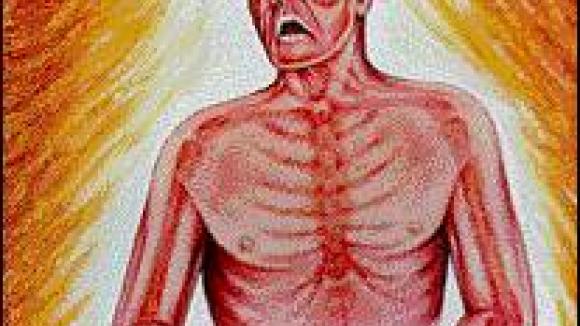
NICE has commissioned an update to the 2010 British Society for Rheumatology guideline for the management of giant cell arteritis, and proposed a total of 19 recommendations for the diagnosis and treatment of GCA.
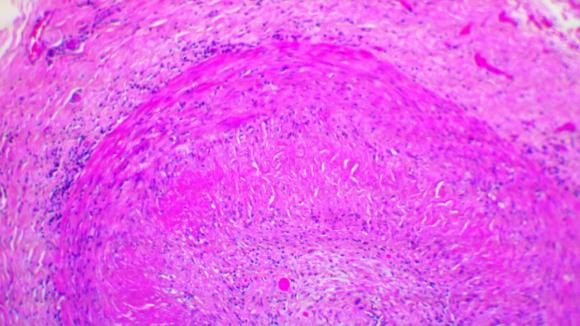
By downloading this material, I acknowledge that it may be used only for personal use and personal education and that I will accredit RheumNow.com as the source and owner of this material. Commercial use or mass reproduction of this material without permission from RheumNow (info@rheumnow.com) is prohibited.