Article
Another retrospective cohort study has shown that biologic treatment of psoriasis may reduce the subsequent incidence of psoriatic arthritis (PsA).

Search for Terms or Answers
Another retrospective cohort study has shown that biologic treatment of psoriasis may reduce the subsequent incidence of psoriatic arthritis (PsA).

A EULAR task force has promulgated several points to consider in managing difficult-to-treat RA. These "points" are unique in directing the rheumatologist's attention to the potential for misdiagnosis and the impact of comorbid conditions on what is perceived as poorly controlled RA.

In Canada, biologic DMARDs (bDMARDs) were introduced after 2001, and since that time there have been significant reductions in hip and knee arthroplasty (THA/TKA) among patients with rheumatoid arthritis (RA), but not in patients with osteoarthritis (OA).

It was a banner week at the FDA; a new drug approval you should know about; a lot of information about pregnancy and safety; and an interesting case plus a question from one of our readers submitted via Back Talk. This and more in this week's podcast. Let's dive in.
A prospective, longitudinal study of the cognitive development of children born to mothers with rheumatoid arthritis (RA) demonstrates normal development as measured by comparative school test scores.

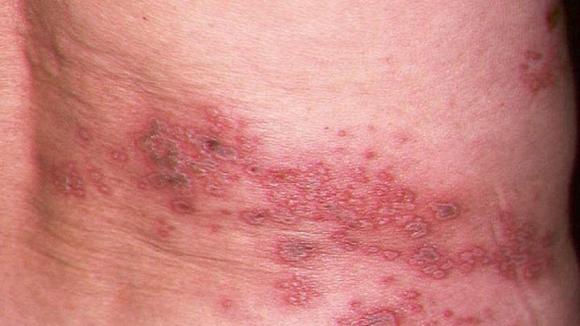
Registry data suggests an increased risk of herpes zoster (HZ, shingles) in rheumatoid arthritis (RA) patients taking JAK inhibitors (JAKi) but also with other biologic DMARDs, compared to csDMARDs.
The ARTIS Study Group has published their analysis of (non-skin) cancer risk in rheumatoid arthritis, claiming the overall safety of biologic DMARDs and targeted synthetic DMARDs (tsDMARDs).

An increased cardiovascular disease (CVD) risk in rheumatoid arthritis is well known and feared but an RA cohort study suggests that preventive medication use in RA patients lags behind that seen in diabetes mellitus (DM).

Sparks and colleagues have published data from the Global Rheumatology Alliance noting that among rheumatoid arthritis (RA) patients afflicted with COVID-19 infection, there was little influence of their baseline biologic or targeted synthetic (b/ts) disease-modifying antirheumatic drug

Deodhar and colleagues have published the results of a study showing that in adult patients with active ankylosing spondylitis (AS), oral tofacitinib was effective (versus placebo) and is safe.

Dr. Jack Cush reviews and discusses the news and journal reports from the past week on RheumNow.com.
2020 was historic, memorable and game-changing. Under the cloud of COVID-19, there were many significant and memorable advances and setbacks for the rheumatology world. In our accounting of most read articles for 2020, (not surprisingly) 17/20 were COVID-related.
This year’s coverage of psoriatic arthritis was once again, both exciting and informative. Topics included an overview of the latest therapeutic options, an excellent discussion on psoriasis specifically, and the epidemiology of psoriatic arthritis.
The FDA has notified healthcare professionals of a safety alert concerning tofacitinib (Xeljanz), noting that preliminary results from a long-term safety clinical trial show an increased risk of serious heart-related problems and cancer with tofacitinib (compared to adalimumab) when given to at-risk rheumatoid arthritis patients. These findings are in addition to the thrombotic risks (added to the label), potential risks including blood clots in the lungs and death.

Pfizer announced results Wednesday from its FDA-mandated postmarketing safety study of tofacitinib (Xeljanz), and they don't bode well for the drug and possibly others in its class.



By downloading this material, I acknowledge that it may be used only for personal use and personal education and that I will accredit RheumNow.com as the source and owner of this material. Commercial use or mass reproduction of this material without permission from RheumNow (info@rheumnow.com) is prohibited.