Arkema et al has published in Annals of Rheumatic Disease a study showing that ischaemic and haemorrhagic stroke (CVA) is elevated in systemic lupus erythematosus (SLE) compared with the general population, especially in the first year.

All News
Researchers from the Nottingham University Hospitals have analyzed the efficacy and safety of oral (PO) and intravenous (IV) cyclophosphamide (CTX) in ANCA-associated vasculitis (AAV) patients and demonstrated a trend for fewer relapses, better 1 year survival and less toxicity w
Dr. Jack Cush reviews the news from the past week on RheumNow.com. Subscribe to the podcast on iTunes and SoundCloud.com.
The Food and Drug Administration (FDA) approved use of Nucala (mepolizumab) for use in treating adults with eosinophilic granulomatosis with polyangiitis (EGPA), previously known as Churg-Strauss vasculitis. This is first FDA-approved therapy specifically to treat EGPA.
Dr Jack Cush reviews nighlights and news from the past 2 weeks on RheumNow.com. This week's report includes new drug approvals, disappointing ACR guidelines, Lyme & Zika, infertility, dermatomyositis skin outcomes and myositis-associated cancer testing.
While the incidence of pneumocystis pneumonia (PJP) is low is patients with rheumatologic diseases the mortality is quite high compared to PJP in patients with HIV and infection can be prevented with appropriate prophylaxis.
Even with currently available treatment modalities, ESRD is a common complication of Granulomatosis with polyangiitis (GPA) occurring in approximately 25% of patients. Transplantation frequently used for ESRD but has not been applied widely in GPA.
A high proportion of GPA patients receive pneumocystis prophylaxis, usually with TMP-SMX (Bactrim), and drug interactions are always a concern.
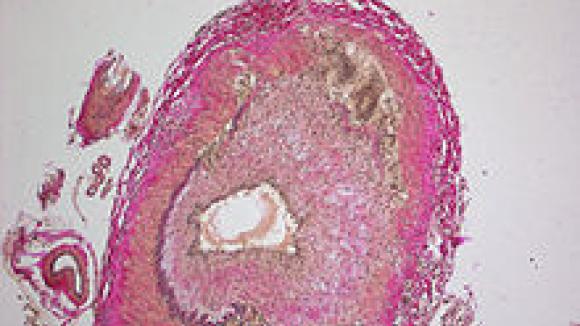
Prof Weyland started by explaining that giant cell arteritis (GCA) and Takayasu Arteritis (TA) are granulomatous forms of arteritis.
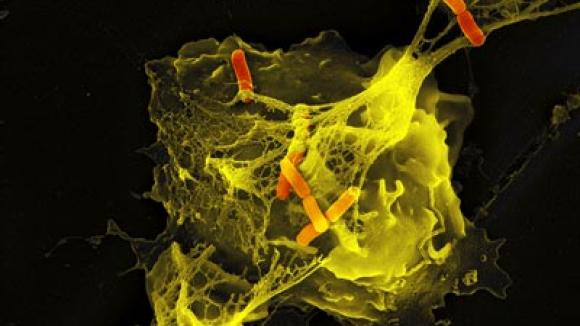
PNAS reports that ANCA induced neutrophil activation, generation of neutrophil extracellular traps (NETS), and vasculitis are regulated by necroptosis. Using inhibitors of necroptosis-inducing kinases they were able to prevent ANCA associated vasculitis (AAV) in animal models.
The RheumNow Week in Review discusses the past week's news, journal articles and highlights from RheumNow.com. In this week's report, Dr. Jack Cush discusses a novel antiviral drug or the use of stem cell therapy for scleroderma, rituximab in HSP, when to withdraw NSAIDS in RA, and congrats to PAs and NPs!
The RheumNow Week in Review discusses the past week's news, journal articles and highlights from RheumNow.com. This week's report discusses regulatory actions by NICE and FDA, higher death rates in RA and psoriasis, increased risk of RA with Asthma, rising numbers for OA, RA, and STDs.
The RheumNow Week in Review discusses the past week's news, journal articles and highlights from RheumNow.com. This week's report discusses survey results on membranous nephritis and patient perceptions of steroids, nonadherence, celebrity arthritis and IgG4 treatment.
PLOS reports greater than 90% efficacy when rituximab (RTX) is used to treat patients with IgG4-related disease (IgG4-RD).
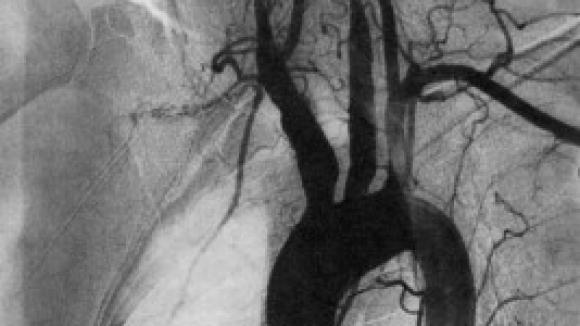
A French retrospective study of 318 Takayasu's arteritis (TA) patients shows that 50% of patients will relapse and experience a vascular complication ≤10 years from diagnosis.
The RheumNow Week in Review discusses the past week's news, journal articles and highlights from RheumNow.com. This week's report discusses metabolic syndrome in lupus, bisphosphonate holidays, vasculitis and vascular inflammation, vaccination, and the repeated wonders of Vitamin D.
A European multicentre study examined whether the duration of azathioprine (AZA) maintenance therapy in ANCA-associated vasculitis patients would influence the relapse rate during long-term follow-up.
On May 22, Genentech received FDA approval for the use of subcutaneous (sc) tocilizumab (TCZ) in patients with giant cell arteritis (GCA) – also known as temporal arteritis.
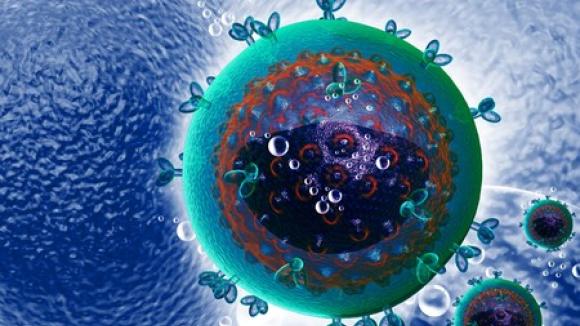
HIV infection and AIDs has been associated with numerous complications, presumably resulting from impaired immunity from infection. Sporadic cases and small cohorts of patients with rheumatic and autoimmune syndromes have been described but epidemiology data on the prevalence is scarce.
Dr. Jack Cush reviews the news from the past week on RheumNow.com: