

Congratulations on choosing the greatest profession, one equally dedicated to both science and patient care. You are now part of a guild that will support you and anticipate your success. Rheumatology needs you to be a big thinking, futuristic problem-solving practitioner who will lead and learn, research and teach. Here are my words of wisdom for aspiring MSK phenoms.
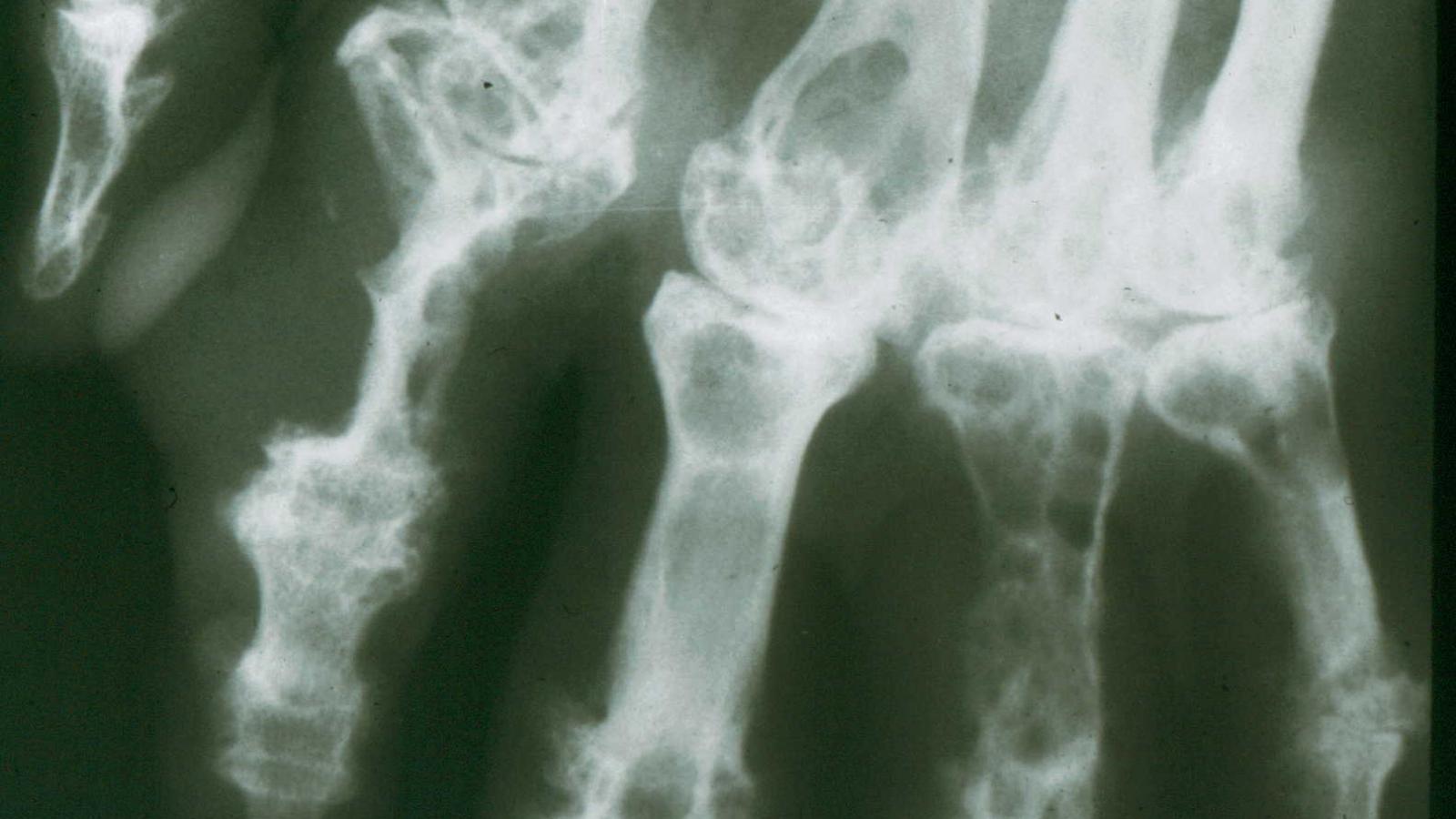
The efficacy of intravenous pegloticase (PEG) therapy in gout can be limited by its toxicity, but when coadministered with weekly methotrexate, higher response rates and less toxicity was observed.
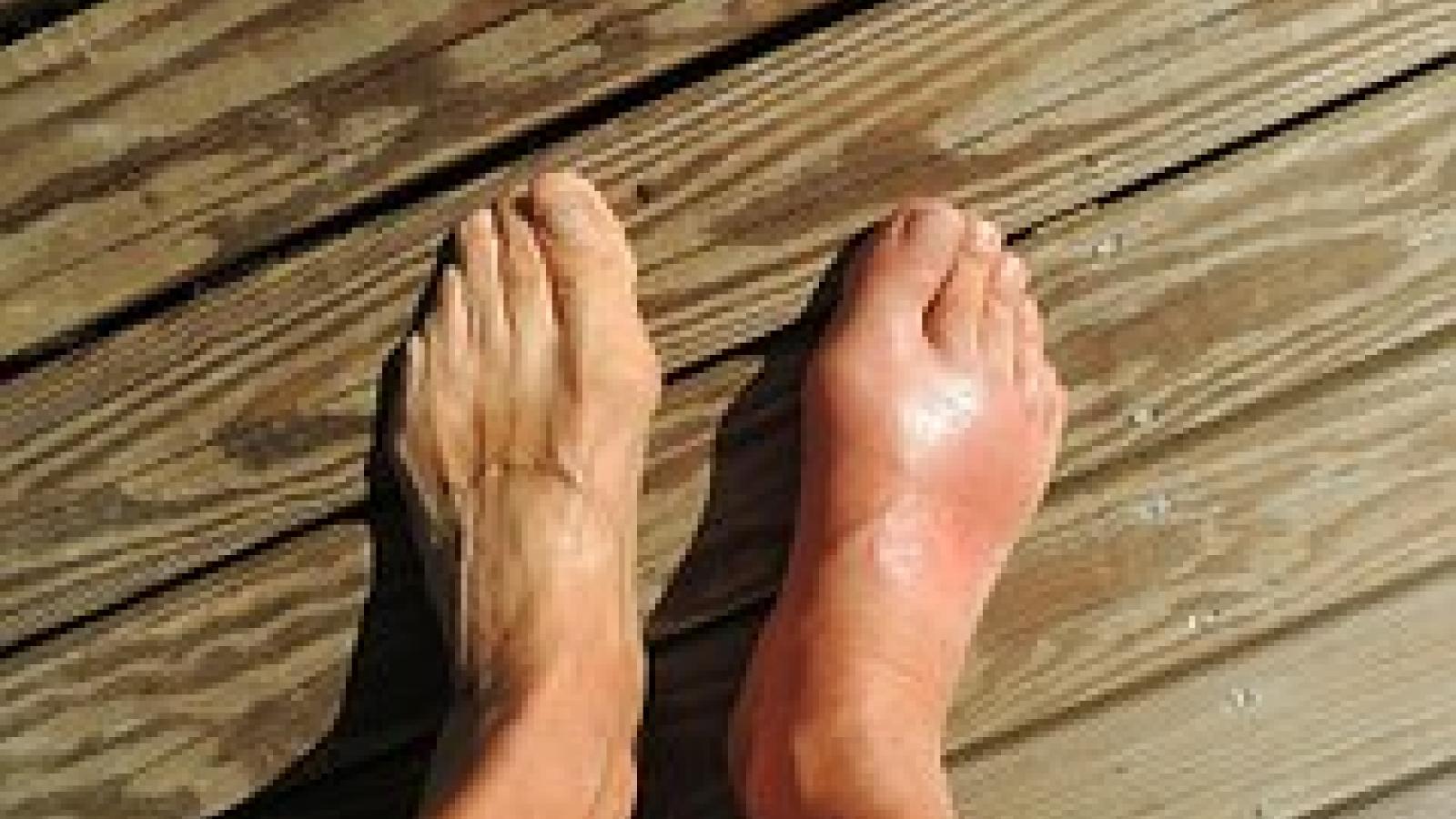
Danve and Neogi have an editorial in the current Arthritis & Rheumatology about the burden of gout that affects 41 million adults worldwide, according to the Global Burden of Disease Study 2017 (GBD 2017) also published in the same issue.
This makes gout twice as prevalent as rheumatoid arthritis (19 million). This prevalence of this most common inflammatory arthritis is undermined by numerous challenges in the diagnosis and examples

Does repeat bone mineral density (BMD) measurement predict subsequent fracture risk in postmenopausal women? A study published in JAMA suggests that a second BMD done 3 years after the initial DEXA did not further distinguish women who would be at a higher risk for a future hip fracture or major osteoporotic fracture.
The SEMIRA trial studied the tapering vs continuing oral glucocorticoids in rheumatoid arthritis (RA) patients who achieved a low disease activity state (with tocilizumab) were more likely to show safety and better disease control with continuing steroids - even though two-thirds of patients were able to safely taper their glucocorticoid dose.
A study from a Swedish population shows the real-world risk of gastrointestinal (GI) perforations in rheumatoid arthritis (RA) patients taking biologics finds that the risk was greatest in RA patients taking tocilizumab (TCZ), compared with RA patient taking tumour necrosis factor inhibitors (TNFi) and other non-TNFi biologics.

The American College of Rheumatology (ACR) has issued a guidance document for rheumatologists and rheumatology health professionals to consider as practices, business and patient care begins to reopen in this next phase of the COVID-19 pandemic. This document discusses local conditions, design reopening procedures, monitoring and patient advice for this transition.
Dr. Jack Cush reviews the News and Journal Reports from the past week on RheumNow.com.
In an Annals of Rheumatic Disease report, Italian investigators performed consecutive testing for SARS-CoV-2 (IgM and IgG) between 25 March to 25 May 2020 and compared test results between rheumatic disease (RMD) patients and the general population.
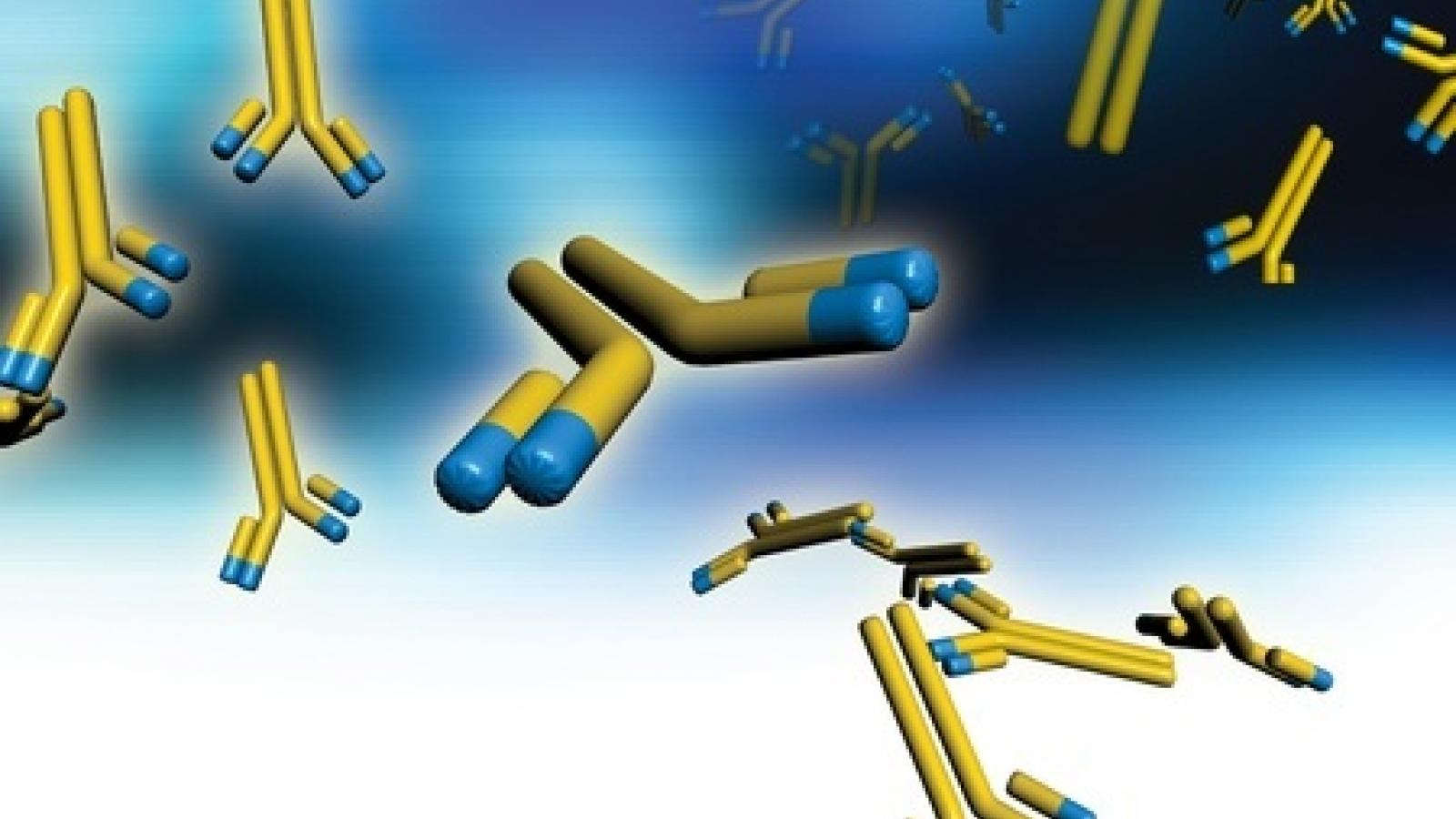
According to a small, observational study out of UCLA published as correspondence in the NEJM on July 21, 2020, those with mild COVID-19 symptoms showed an approximate antibody half-life of 73 days.
COVID-19 infection was confirmed by PCR in 30 out of 34 study participants. The remaining four patients developed consistent symptoms and cohabitated with a person who had a known positive test but could not get testing due to availability or mild
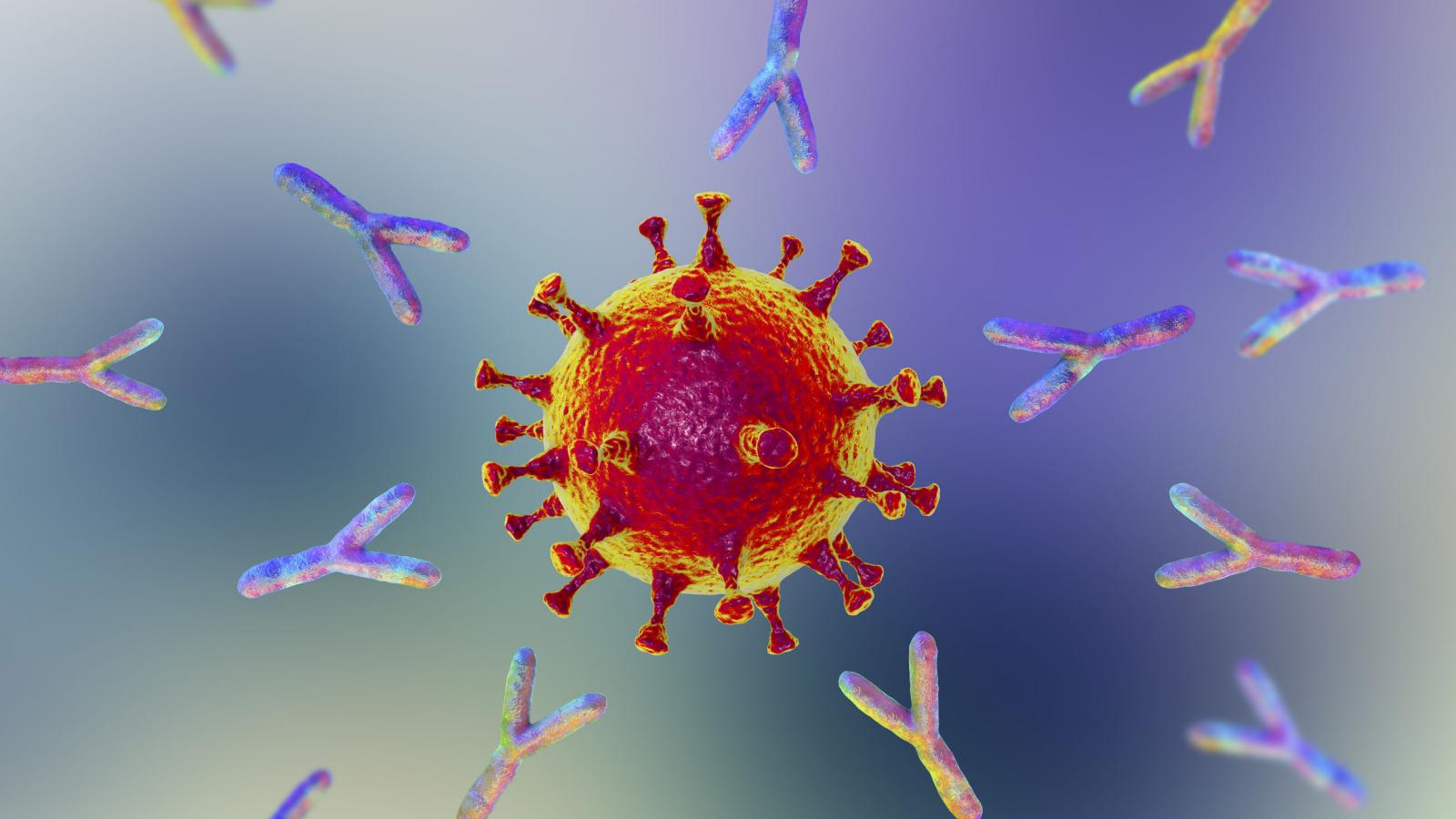
The number of reporting cases of COVID-19 infection tends to underestimate the true prevalence of infection as only the more severe cases (e.g.,acute respiratory syndrome) get tested or go to the hospital. JAMA Internal Medicine reports that a cross-sectional seroprevalence study from the U.S. shows that COVID-19 is underreported and that actual infection rates can be 6 to 24 times more prevalent than currently reported infections due to
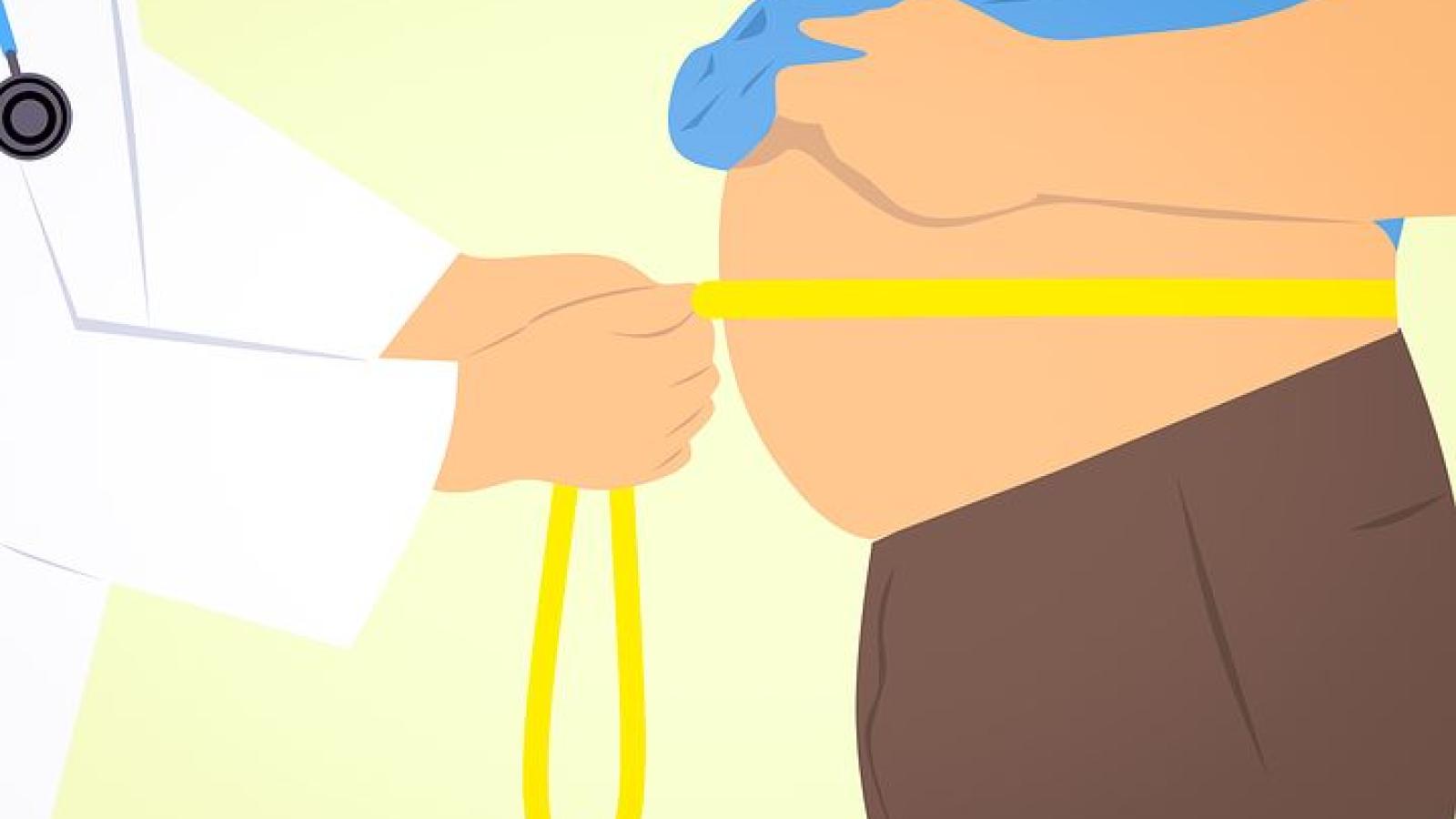
Patients with rheumatoid arthritis (RA) who were obese were significantly less likely to remain on treatment with tumor necrosis factor (TNF) inhibitors -- but so were those who were underweight, a large, long-term study determined.
Compared with patients with normal weight, patients in obesity class II, whose body mass index (BMI) was 35 to 39.9, had a hazard ratio for shorter drug survival (i.e., the drug's effectiveness, safety, and

A recent study from the Netherlands has shown that patients with severe COVID-19-associated cytokine storm syndrome (CSS) with high dose steroids and tocilizumab had a faster recovery, less need for invasive mechanical ventilation and fewer deaths when compared to CSS patients receiving supportive care only.
They studed COVID-19 patients with CSS, defined as rapid respiratory deterioration plus at least two of the following

The IMMerge trial has demonstrated the superiority of interleukin (IL)‐23 over IL-17A inhibition adults with plaque psoriasis.
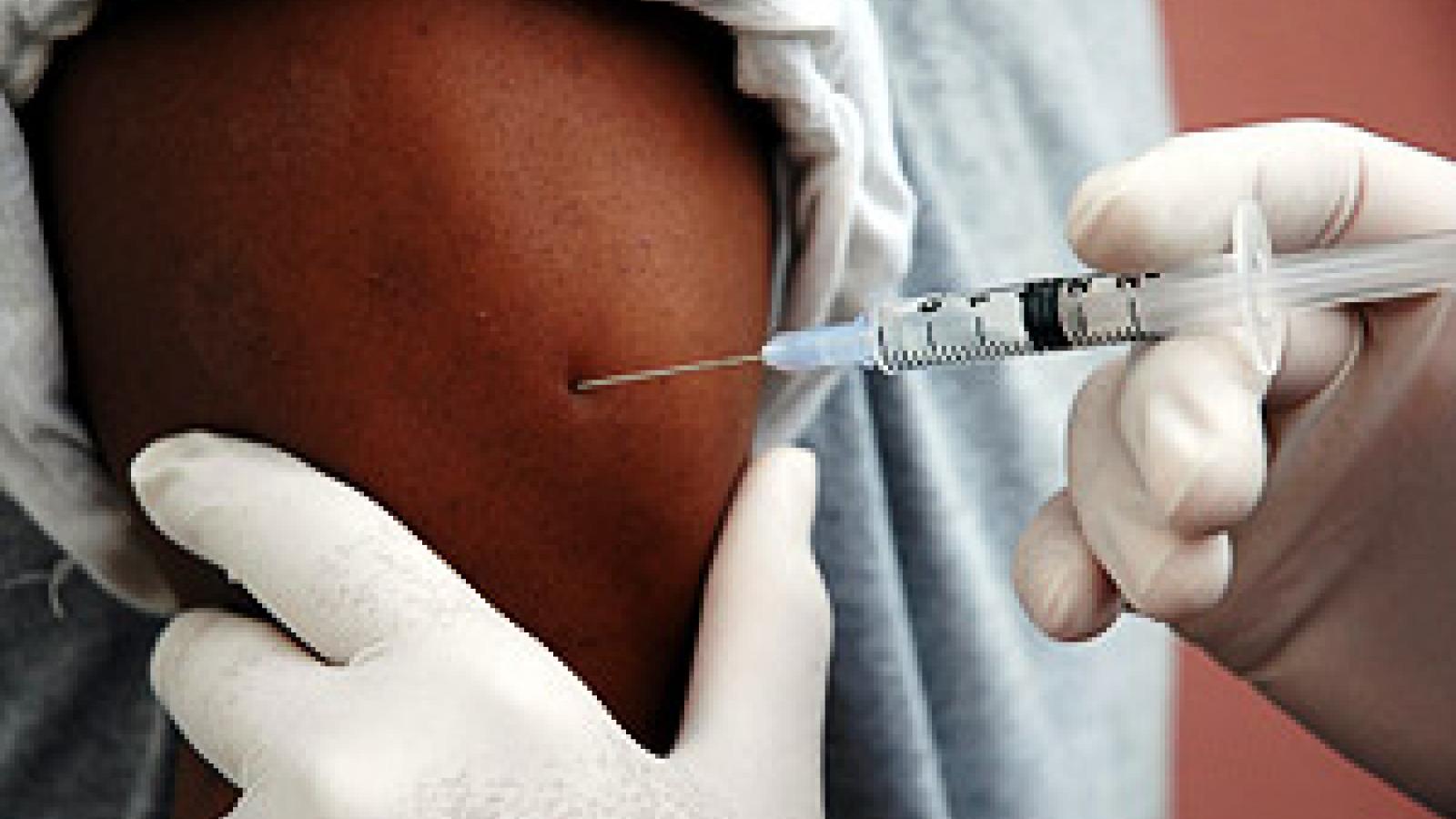
Inflammatory events following infection with SARS-CoV-2 can often worsen the morbid or mortal outcomes with COVID, yet it has been unclear if glucocorticoids may modulate inflammation-mediated damage and lung injury. The RECOVERY trial reports that dexamethasone (DEX) use lowered 28-day mortality among COVID-19 patients requiring respiratory support.
The RECOVERY trial was performed in the UK and enrolled hospitalized COVID-19

