

On the final day of EULAR 2026, Mukhtyar et al (on behalf of a large international task force) presented the updated EULAR recommendations for management of polymyalgia rheumatica (PMR), giant cell arteritis (GCA), and Takayasu arteritis (TAK). There were 5 overarching principles and 12 recommendations.
Recent EULAR 2026 data highlight a paradigm shift in Still’s disease from syndromic management to biologically informed precision therapy.

The RA-BRIDGE and RA-BRANCH studies were presented as a late-breaking abstract at EULAR 2026. This was the pooled results from two large FDA post-marketing commitment safety trials — RA-BRIDGE (global) and RA-BRANCH (US-only) — comparing baricitinib at 2 mg and 4 mg daily against TNF inhibitors (etanercept or adalimumab) in RA patients specifically enriched for venous thromboembolic event risk factors.

As EULAR2026 comes to a close, practical learnings take precedence as clinicians head back to their clinics. Among them, the 2026 EULAR Update on Imaging Recommendations in SpA stands out.

The EULAR 2026 Congress in London showcased growing interest in T-cell engagers as a novel strategy to achieve deep B-cell depletion and drug-free remission in refractory rheumatic and musculoskeletal diseases (RMDs).
It’s time for Rheumatology RoundUp from EULAR 2026 from London, UK. Drs. Artie Kavanaugh and Jack Cush review their choice presentations from the meeting, offering their perspectives on impact and applicability.

CAR-T at #EULAR2026 raised as many questions as it answered. Here's what we know, what we're still asking, and why the answers matter.

The emergence of large language models (LLMs) represents a promising shift in how complex diseases such as systemic lupus erythematosus (SLE) are communicated and interpreted across both patient and clinical settings. Two EULAR 2026 abstracts highlight the evolving role of LLMs across this spectrum, from patient-facing education to diagnostic reasoning.
Much of the meeting came for the next CAR T readout. AB-101 drew attention for a different reason. It depletes B cells by a completely different route.
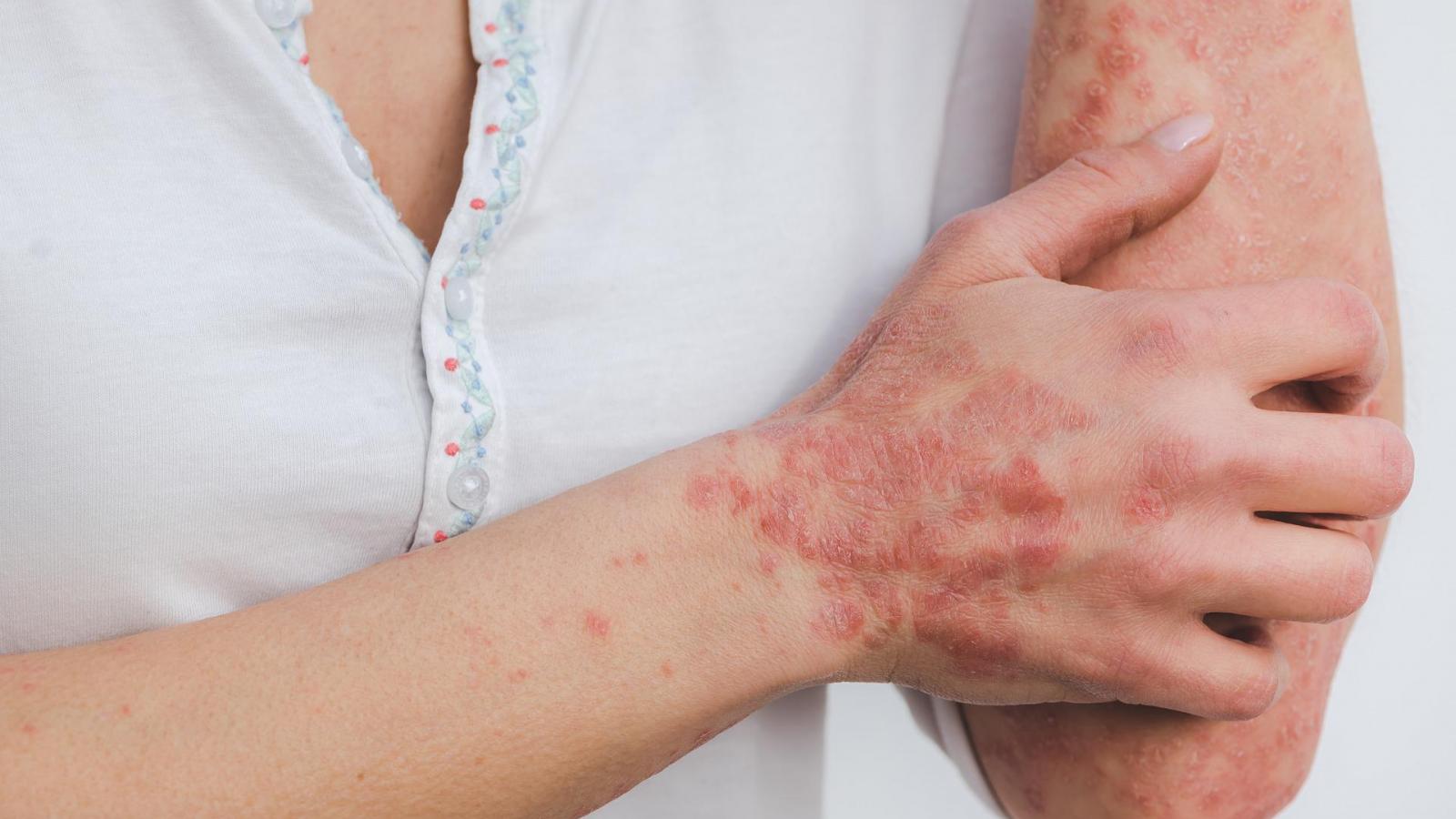
Psoriatic arthritis develops in approximately 20 to 30 per cent of patients with psoriasis, yet predicting which patients will make the transition and when, has remained one of the most clinically challenging questions in rheumatology. A study presented at EULAR 2026 provides the most granular ultrasound characterisation yet of the journey from psoriasis, through subclinical disease, to early clinical PsA. The study identifies the specific

Dr. Sun et al. from Duke University presented abstract POS0692 during one of the poster sessions entitled, “Lupus patients with concurrent inflammatory activity and symptom burdens have the lowest medication adherence and experience distinct adherence barriers.” They evaluated differences in self-reported medication adherence and reasons for nonadherence across Type 1 & 2 SLE classification groups, with a prespecified focus on comparing
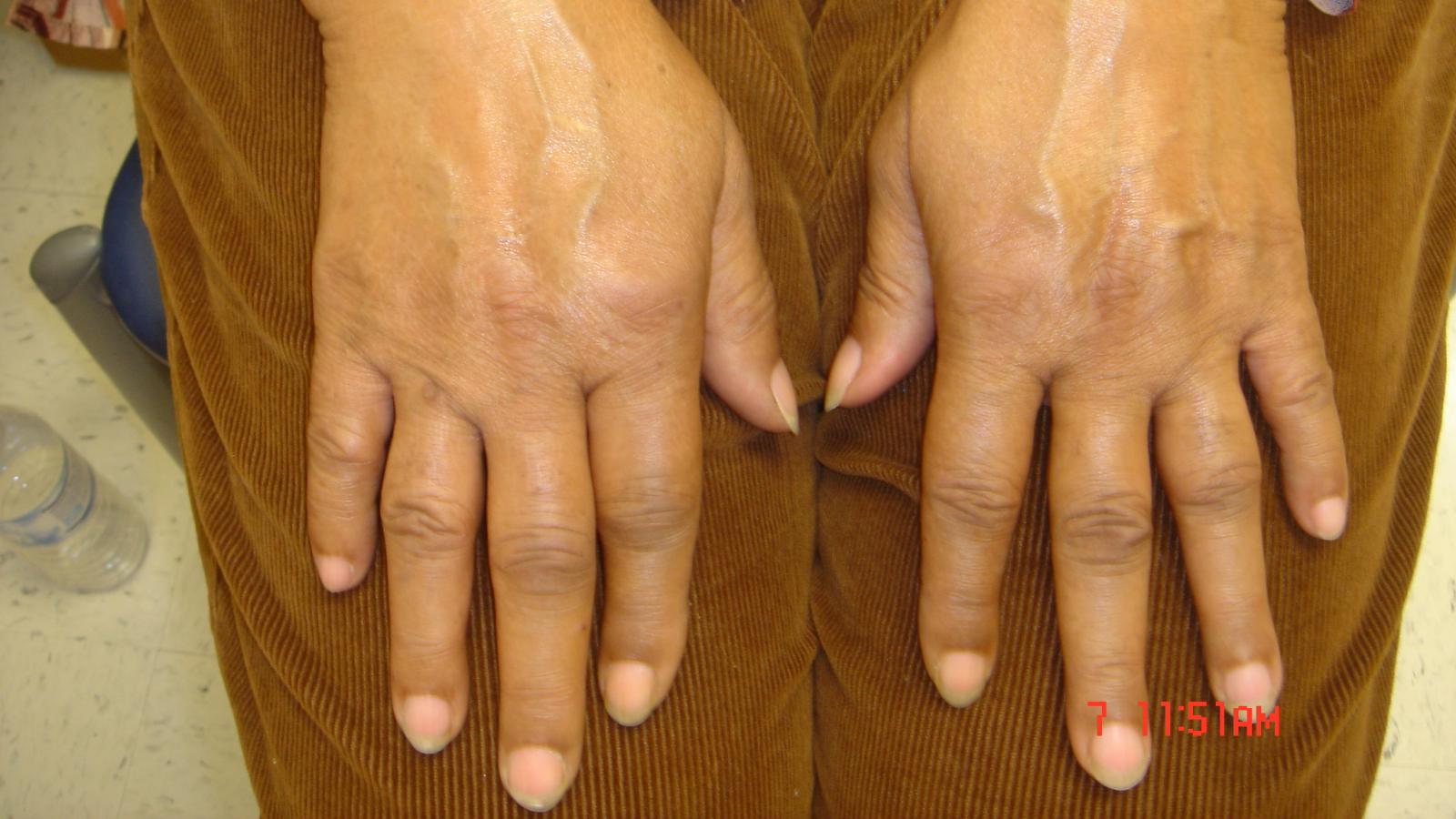
Imaging in the preclinical phase of RA is moving fast—arguably faster than our ability to interpret what we are actually seeing. Across EULAR 2026 abstracts, a consistent theme emerges: we are improving detection of subclinical inflammation, but still struggling to determine what level of detection is clinically meaningful.
MAS, the most severe complication of Still’s disease, is increasingly recognized as a cytokine-driven hyperinflammatory state centered on interferon gamma (IFNγ). Therapeutic advances presented at EULAR 2026 demonstrate both consolidation of established pathways and expansion into novel biologic strategies.

Across EULAR 2026 abstracts this year and presented in a session called “this is a woman’s world”, strong signals are emerging that the menopausal transition is associated with changes in disease phenotype, disease activity, and treatment response in both RA and PsA.

The Janus kinase inhibitor (JAKi) class has been increasingly used in the management of axial spondyloarthritis (axSpA) over the past five years, offering effective oral alternatives to injectable biologics. But are all JAK inhibitors the same?

