


Secukinumab in Polymyalgia Rheumatica Save


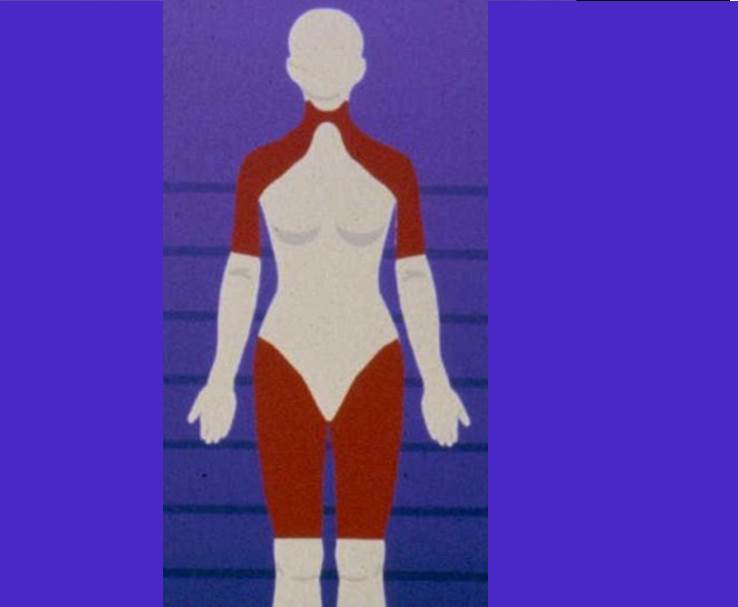
Polymyalgia rheumatica (PMR) is a common disorder of the elderly that responds well to glucocorticoids (GC), but is plagued by an inability to wean off of GCs. The NEJM has published the results of the REPLENISH trial demonstrating that secukinumab (an interleukin-17A inhibitor) is superior to placebo in relapsing PMR with more sustained remssions and lower cumulative GC use.
Patients with recently relapsed PMR were randomized to receive placebo or one of two doses of secukinumab IV (SEC-300 mg group or SEC-150mg group) for 52 weeks. All patients were on prednisone and had a tapering schedule for 24 weeks. The primary outcome was sustained remission at week 52 (defined as the absence of PMR signs or symptoms and no new diagnosis of giant-cell arteritis (GCA) that was sustained from week 12 to week 52.
A total of 381 patients (127 per group) were randomized. At 52 weeks, sustained remission was seen in:
- SEC-300: 41.2%
- SEC-150: 40.6%
- Placebo: 20.4%
- (P<0.001 for each secukinumab dose vs placebo).
The mean cumulative glucocorticoid dose was lower for SEC vs placebo (1603.7 mg SEC-300 group; 1683.2 mg in the SEC-150 group; vs 2093.0 mg in the placebo group)
Serious adverse events (13.5% - 15.9%) were roughly similar between groups. Common adverse events (nasopharyngitis, hypersensitivity reactions, urinary tract infections, fungal infections, and back pain) were more prevalent in the secukinumab groups than in the placebo group.
These results suggest the utility of IL-17 inhibition in relapsing PMR patients. SEC was previously shown to be effective in a phase II trial in GCA, but failed to meet its primary endpoint in a phase III GCA trial.
Continue Reading
Related Content
ADD THE FIRST COMMENT
Disclosures
Disclosures
The author has no conflicts of interest to disclose related to this subject




If you are a health practitioner, you may Login/Register to comment.
Due to the nature of these comment forums, only health practitioners are allowed to comment at this time.