Biosimilar reports is an ongoing series dedicated to advances, discussions and developments in biosimilar agents intended for use by rheumatologists. Many of these items were compiled from news sources, journal articles and regulatory documents and are cited and linked within each section.

All News
Dr. Jack Cush reviews this week's news and information from the 2017 RWCS meeting in Maui.
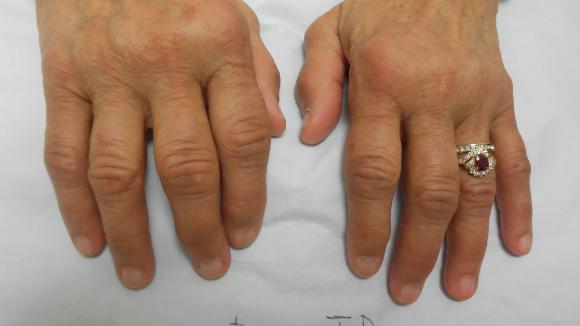
Baricitinib is a novel inhibitor of Janus kinases JAK1 and JAK2 that has been extensively studied in rheumatoid arthritis (RA). Baricitinib (AKA Oluminant) was recently approved by the EMA for use in Europe at a once daily dose of 4 mg per day.
The European Commission has approved Eli Lilly's rheumatoid arthritis drug Olumiant (baricitinib) for use in Europe for RA patients with moderate-to-severe active disease in adults who have not responded one or more disease-modifying antirheumatic drugs.
Dr. Jack Cush discusses the news and reports from this week on RheumNow:
US and UK researchers have identified a unique subset of helper T-cells called ‘peripheral helper’ T-cells in the synoviums that may be linked to the pathogenesis of rheumatoid arthritis.
Up to 30% of patients with rheumatoid arthritis (RA) will eventually undergo joint reconstructive surgery, yet we have limited data to guide the perioperative management of DMARDs and biologics.
Doubt remains regarding the appropriateness, efficacy and safety of methotrexate in the treatment of moderate to severe cutaneous psoriasis. Moreover, high dose, subcutaneous MTX has not been studied in a well-designed trial.
Kevzara (sarilumab), an interleukin-6 (IL-6) receptor monoclonal antibody, was approved by Health Canada for use in rheumatoid arthritis (RA).
Prior to the biologic era, nonsteroidal antiinflammatory drugs (NSAIDs) were the mainstay of drug therapy in thos with spondyloarthritis (SpA) and ankylosing spondylitis (AS). Their role in the modern era has changed and the claims for efficacy have varied.
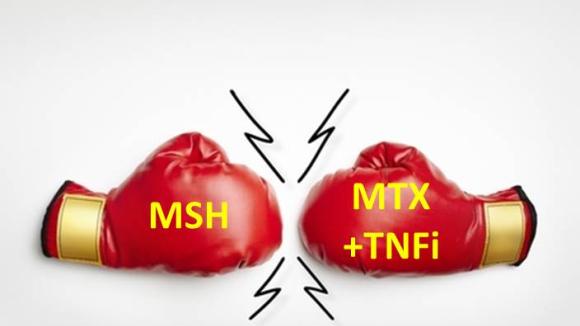
There are several trials that test the efficacy and safety of combination tumor necrosis factor inhibitor (TNFi) plus methotrexate against triple therapy (methotrexate plus hydroxychloroquine plus sulfasalazine) in patients with rheumatoid arthritis.
RheumNow will periodically report safety issues as Drug Safety Bulletins. These will update you with safety issues, label changes and reports of new, ongoing and resolved drug shortages that affect rheumatology. If you have suggestions or information about specific drug shortages or drug safety issues, please email us at info@rheumnow.com.
A study published in The BMJ shows that financial ties between researchers and companies that make the drugs they are studying are independently associated with positive trial results; thereby questioning the bias in these objective trials.
Interchangeability, or the substitution of a biosimilar for its innovator biologic, is on the horizon. Will the prescriber chose the biosimilar in place of the originator? Or will this allow pharmacists or healthcare plans to substitute a biosimilar, without intervention from a healthcare provider?
Dr. Jack Cush reviews highlights from the past week on RheumNow.
If Congress changes or repeals the Affordable Care Act (ACA), which adults are at risk of losing health insurance?
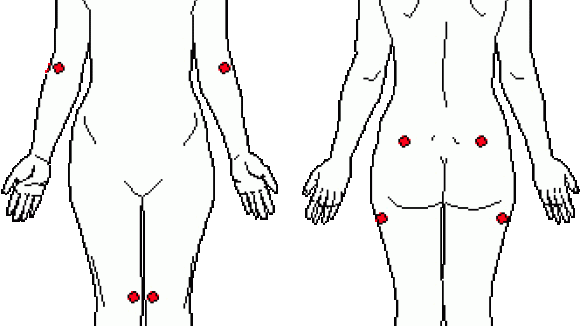
The European League Against Rheumatism (EULAR) recommendations for fibromyalgia (FM) management were published in 2007 and largely had recommendations based on expert opinion’. These guidelines were updated in May of 2015 after a systematic reviews and meta-analyses of the data.
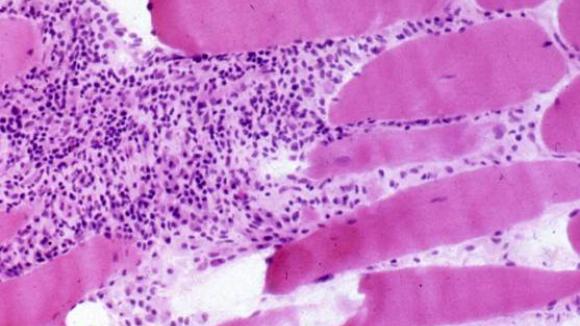
SHARE (Single Hub and Access point for pediatric Rheumatology in Europe) was established in 2012 to optimise the diagnosis and treatment of several pediatric diseases. They have recently published their recommendations regarding the diagnosis and management of juvenile dermatomyositis (JDM).
Rituximab has significantly changed the management of patiehts with ANCA-associated vasculitis (AAV). Yet the longitudinal assessment of such patients needs to be guideded by clinical and laboratory parameters.
The association between the use of proton pump inhibitors (PPIs), osteoporosis (OP) and OP-related fragility fractures has been a topic of ongoing discussion in rheumatology community.