Familial Mediterranean fever (FMF) is an inherited autoinflammatory disease characterized by recurrent attacks of fever and acute inflammation of the membranes lining the abdomen, joints and lungs. These attacks are often short-lasting, around 1-3 days.

All News
Dr. Jack Cush reviews the news and journal articles from this past week on RheumNow.com. New regulatory decisions about JAK inhibitors and why do women with rheumatic diseases have unfair outcomes?
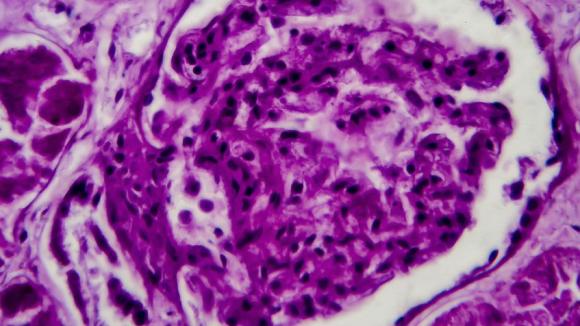
Population based study from Minnesota shows that the incidence of lupus nephritis (LN) in the US has increased in the last four decades and that LN patients have poorer outcomes with high rates of ESRD and mortality rates six times that of the general population.
Dr. Jack Cush reviews the news and journal reports from the past week on RheumNow.com. Highlighted discussion of implantable stimulators, urine proteomics and gut-immune responses to Prevotella in RA.
Miners Face Increased Risk of Rheumatoid Arthritis
Add "hard rock" mining to the list of occupations associated with high rates of rheumatoid arthritis (RA), a new study indicated, with silica exposure the presumed malefactor.
Tofacitinib shows promise in scleroderma
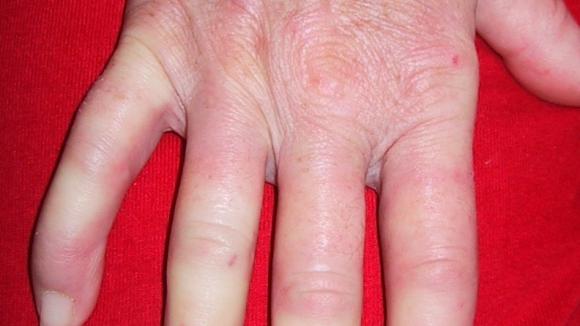
Systemic sclerosis is one of the rarest autoimmune diseases, affecting roughly 100,000 people (primarily women) in the U.S. With no licensed treatments available for this subset of scleroderma patients, rheumatology researchers are searching for opportunities to use resources and technology that have proven beneficial in treating other autoimmune and rheumatic diseases.
Dr. Jack Cush goes off on "Untitling" (not using proper names/titles) in the clinic, in addition to reports on rheumatologist salaries, new drugs in phase 1-3 development and the range of COVID-19 MSK symptoms -- all from the past week on RheumNow.com.
The California Lupus Surveillance Project has longitudinally followed included systemic lupus erythematosus (SLE) cases and shown that overall, the leading cause of death was cardiovascular disease (CVD), followed by rheumatic disease and hematologic/oncologic conditions.
Below are this week’s highlights from RheumNow, as discussed by Dr. Jack Cush. Thanks to all of you for your kind comments and great reviews of our weekly podcast. Please let us know how we can improve by emailing me or recording your suggestion using the "Ask Cush Anything" link on our website.
Spanish Scleroderma Registry examined a large cohort of systemic sclerosis (SSc) patients showing an increased cancer risk, especially breast, lung, hematologic and colorectal cancer.
The registry included 1930 patients with SSc and were compared to a matched general population to derive the standardized incidence ratios (SIRs) and independent cancer risk factors.
Is PMR the Next Indication for Tocilizumab?
About half of patients with steroid-dependent polymyalgia rheumatica (PMR) were able to get off steroids altogether when they were started on tocilizumab (Actemra) infusions, which also improved disease control in most cases, a randomized phase III trial showed.
A recent review of the myositis associated autoantibody NXP-2 profiles its clinical associations with dermatomyositis (DM), calcinosis, severe myositis and, in some reports, with cancer.
The big news this week: the approval of deucravacitinib (a new class of drug?) for psoriasis; the 2022 ACR guidance on glucocorticoid-induced osteoporosis; a national poll of older adults over the age of 50 who claimed self-reported or doctor-diagnosed arthritis; and much more. Let's review these and other news, journal reports and announcements from this past week.
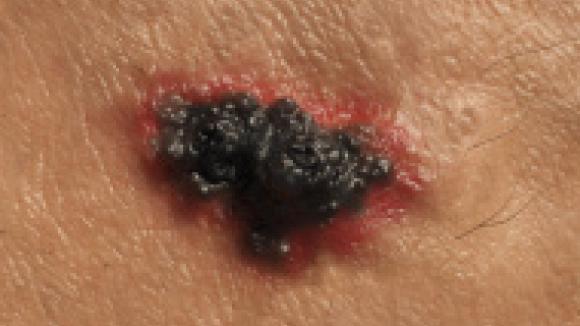
A systematic review suggests that low-dose methotrexate (MTX) use is associated with an increased melanoma risk, but the absolute risk increase could be considered negligible.
An integrated analysis of two pivotal trials of voclosporin, a calcineurin inhibitor, in lupus nephritis patients saw significant improvement in complete renal responses (CRR) at one year.
Dr. Jack Cush discusses declining survival rates in the USA, FDA approvals of new COVID subvariant boosters and other odd and possibly true new research reports from the past week on RheumNow.com.
Not all patients with periodic fevers fit neatly into diagnostic categories. Some can be diagnosed as Still’s disease (based on criteria) while others can be classified as autoinflammatory diseases (AID) and some may be unclassifiable, clinically or genetically.