
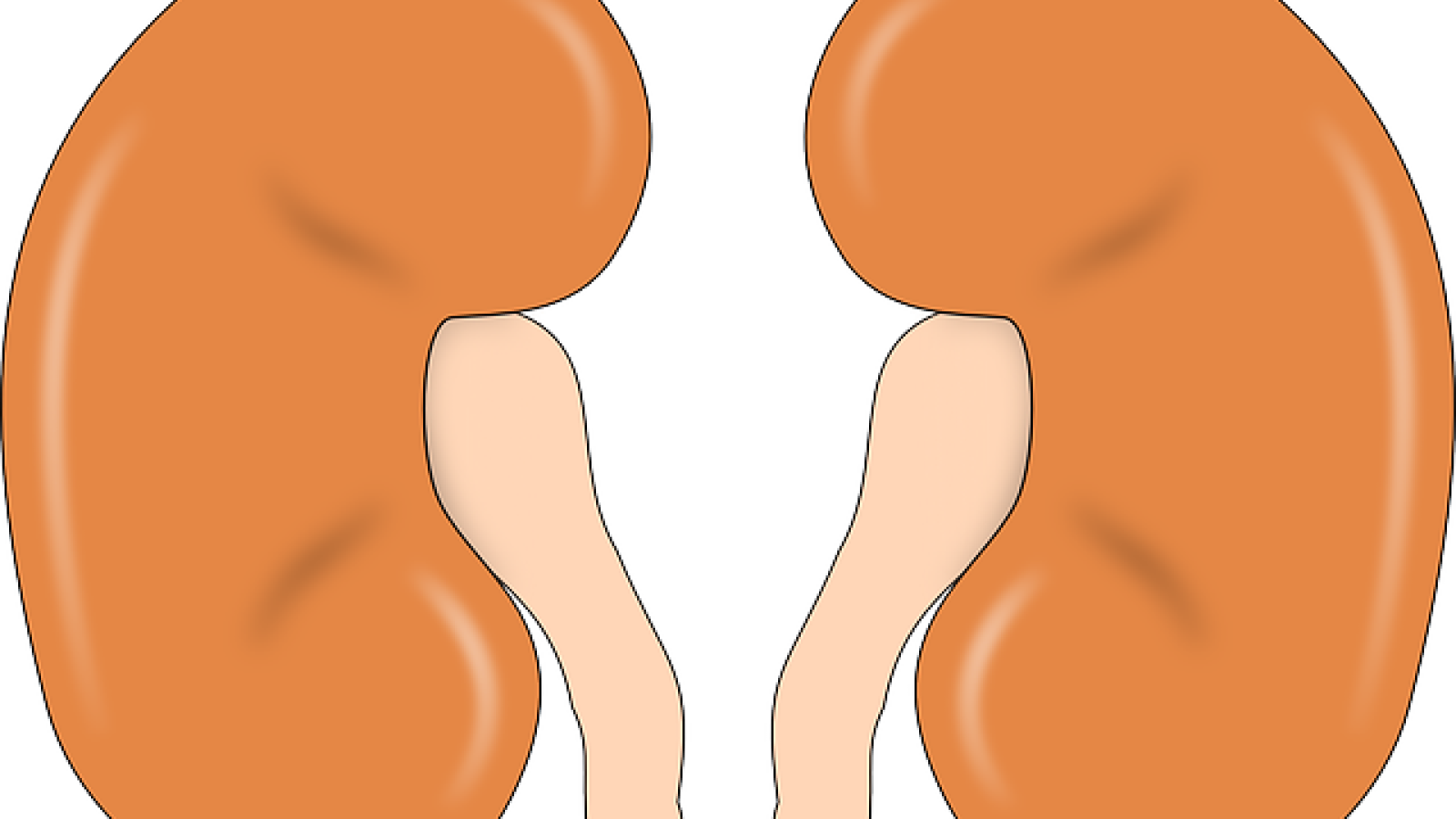
In Abstract 0850, Dr. Andrea Fava from Johns Hopkins presents research on the value of urinary biomarkers as measure of intrarenal inflammation.

The American College of Rheumatology guidelines for the diagnosis and management of interstitial lung disease, which includes rheumatoid arthritis interstitial lung disease (RA-ILD), has been one of the most controversial topics in the runup to ACR Convergence.

Over the years of navigating the annual meeting, I found the sessions with the most impact to my practice were the Plenary Sessions. During these sessions, the latest research is presented, new ideas are floated, and old myths debunked. Here are the top ACR2023 Plenary abstracts I found impactful for my practice.

Guidelines (ACR/EULAR/GRAPPA) for the management of psoriatic arthritis (PsA) recommend the early referral of patients with the suspected condition for early assessment and treatment. There remains a diagnostic delay of 1-2 years in PsA and ideally treatment should be commenced within 1 year of symptom onset.How early is early in PsA and is there a window of opportunity for treatment in PsA to ensure optimal outcomes?

The FDA recently announced approval for intravenous secukinumab (Cosentyx) for adults with psoriatic arthritis, ankylosing spondylitis, and non-radiographic spondylitis. Data for this new approval will be presented at ACR Convergence on November 14th by Dr. Atul Deodhar.
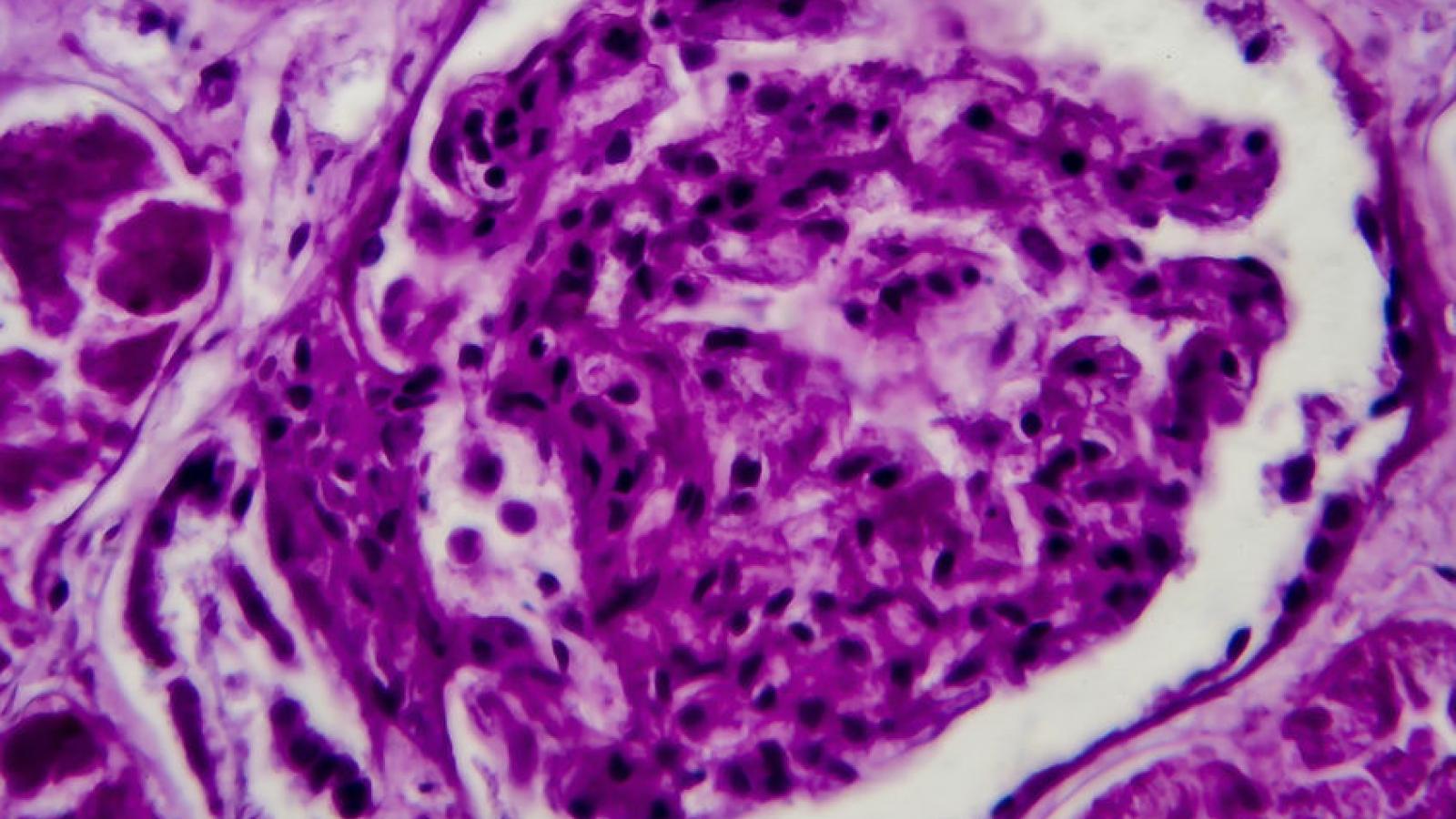
Inhibitors of SGLT2 have been shown to reduce MACE in patients with type 2 DM and established cardiovascular disease. In patients with chronic kidney disease at risk of progression, SGLT2 inhibitors have shown reduction in risk of eGFR decline and hospitalization. In SLE, clinical trials have yet to explore the possible role of SGLT2i in improving renal outcomes in lupus nephritis. A couple of abstracts presented during the meeting tackled the

Adult-onset Still’s disease (AOSD) is a rare complex, sporadic, systemic autoinflammatory disease similar to systemic juvenile idiopathic arthritis (sJIA) characterized by sustained fever, salmon-colored rash, and arthritis. AOSD and sJIA are considered the same spectrum of disease with similar pathophysiology occurring in different age groups.

Cancer risk minimisation is a high priority for people with rheumatic diseases, as it is for the general population. Tumor necrosis factor inhibitors (TNFi) have a long history of association with cancer risk discussions. An oral presentation by Suarez-Almazor et al provided more supportive data on using TNFi in this population.

Our reporters have been prolific in finding the hot abstracts, those that were most attended or those that are getting the most buzz on social media. Here are RheumNow's #ACRbest abstract reports from Monday, November 13, 2023 at #ACR23, covering The Great Debate, SGLPT2 inhibitors in SLE, the SMART Study of MTX, TMP/SMX Prophylaxis, RA-ILD & TNF Inhibitors, cancer research and more.
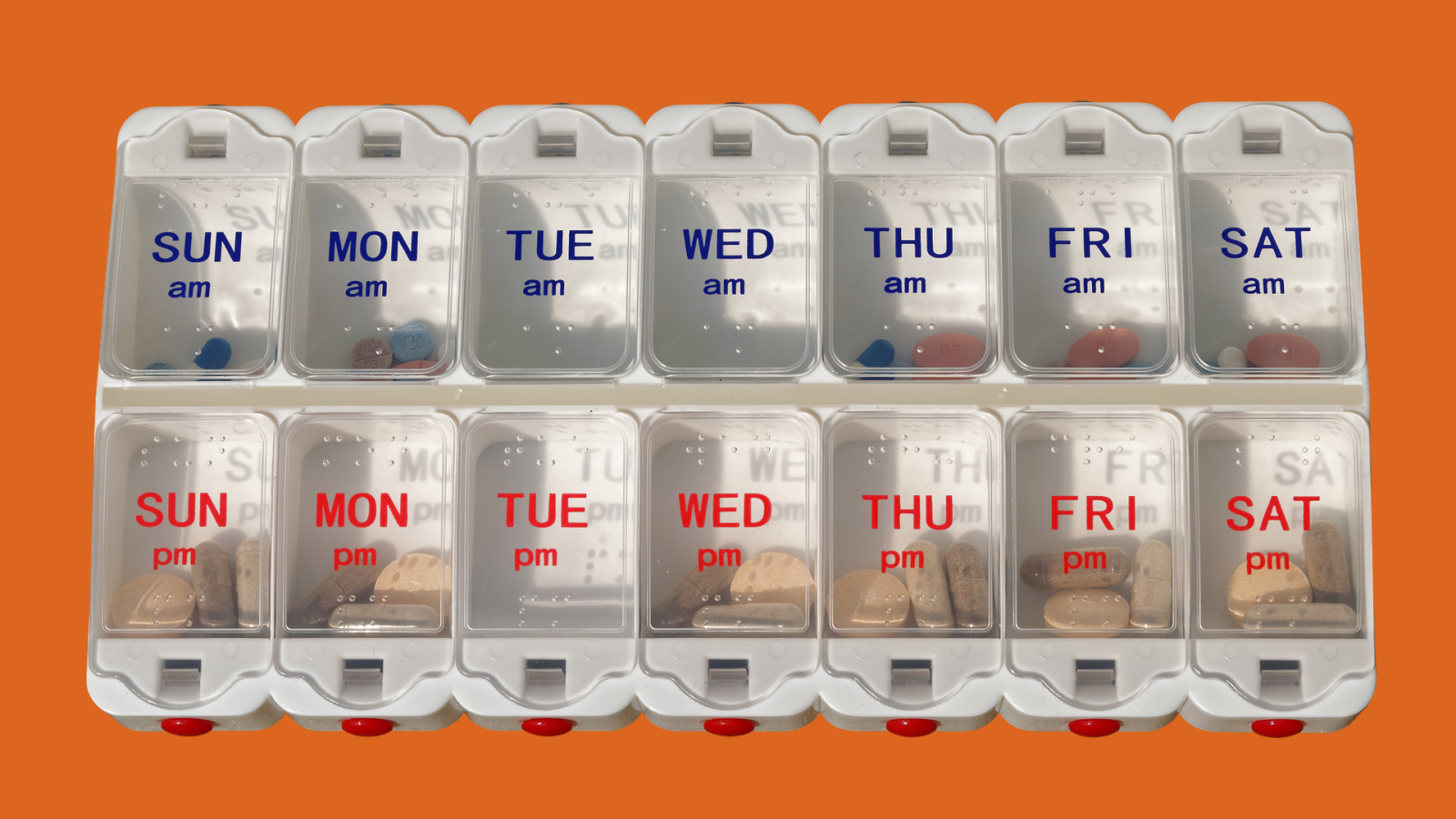
Methotrexate is widely used in rheumatic diseases yet poses common tolerance issues, especially for the oral form; and bioavailability is known to be limited for doses over 15mg. In the SMART study, Prasad et al. present the first RCT comparing either single dose (25 mg) or split-dose (10 mg morning, 15 mg evening, same day) once weekly MTX for 24 weeks.

Pregnant women with autoimmune rheumatic diseases (ARDs) and antiphospholipid syndrome (APS) face significantly increased risks of cardiovascular events (CVEs). This increased risk is often attributed to ARDs, its medications or comorbidities associated with it.

Most rheumatologists know that it is important to get pregnancy planning right for women of childbearing age living with rheumatic diseases. That is easier said than done, though: the details are difficult, it is overwhelming for the patient, and the conversations are hard.

ACR 2023 is back in San Diego for its annual convergence of thousands of rheumatologists to partake, discover and learn from thousands of abstracts and hundreds of sessions and presentations. It was a big return for the Poster Hall with rows and rows of research, friends, fellows and poster tours. Below are a few of my favorite presentations from the posters, Plenary and oral sessions on day one.

Whether it’s RA, SLE or Sjogren’s, the increased prevalence of females affected by auto-immune diseases is well established, yet not fully understood. Often, I have heard that sexual hormones are responsible for every aspect of it. Two abstracts presented this year question this paradigm.
The RheumNow faculty reporters have been scouring the meeting for what they believe to be the best presentations from the first day at ACR 2023 in San Diego. From hundreds of online presentations, the poster floor and the plenary podium, here are some of the best abstracts from Sunday Nov. 12th. You can spot these on Twitter by looking for the (#ACRbest) hashtag.

