

Mediterranean Diet Lowers Incident Rheumatoid Arthritis Risk Save


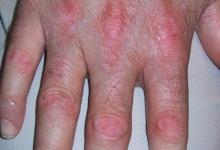
The American Journal of Clinical Nutrition has published the results of the SUN Project study, showing that long-term adherence to a Mediterranean diet (MedDiet) was associated with a substantially lower risk of incident rheumatoid arthritis (RA), but not psoriasis.
The study is a prospective analysis of the Seguimiento Universidad de Navarra (SUN) Project that enrolled and followed 15,874 Spanish university graduates who had no prior arthritis or immune-mediated inflammatory disease at baseline. Adherence to the MedDiet was serially assessed with a validated 136-item food frequency questionnaire at baseline, 10 years, and 20 years. Scores were classified into energy-adjusted tertiles and grouped as T1 (0–3), T2 (4–5), and T3 (6–9). Cases arising within the first 2 years were excluded to limit reverse causation.
The cohort was 62% female, with a mean age of 36.6 years, and was followed for a median of 15.1 years (224,161 person-years). There were 119 incident RA cases (0.52/1000 person-years) and 165 psoriasis cases (0.73/1000 person-years). The primary outcomes were
- Decreased RA risk: The T3 vs T1 hazard ratio was 0.49 (95% CI 0.30–0.80) at baseline and 0.53 (0.32–0.89; P-trend 0.020) in cumulative repeated-measures models. Splines showed a linear dose–response (P-overall 0.009).
- Inconclusive risk for Psoriasis: The hazard ratio was 0.86 (0.57–1.32; P-trend 0.491), with post hoc power of only 38.9%.
- Components: Low meat intake showed the strongest association (HR 0.41; 0.27–0.61; adjusted P <0.001). Fruit/nuts (HR 0.64) did not survive false discovery rate correction.
One limitation was that RA was self-reported, without record validation, serology, or classification criteria. Only 29 RA cases occurred in T3. High adherers were older, more active, and less likely to smoke, and more often had hypertension, dyslipidemia, and supplement use, which suggests healthy-user bias. The association lost significance after excluding pregnant women or participants with baseline depression. More than half the participants were health professionals, which limits generalizability. Misclassification of psoriatic arthritis cannot be excluded.
Thus, those with high MedDiet adherence (Top-tertile) had a roughly 47–51% lower incident RA risk, with a linear dose–response. By contrast, the MedDiet did not reduce the risk of psoriasis, but that analysis was underpowered. These findings align with a prior meta-analysis (OR 0.84) and UK Biobank data (HR 0.73), but unvalidated, unserotyped RA diagnoses are major limitation.
This is supportive but not definitive evidence that a Mediterranean dietary pattern, particularly lower meat intake, may reduce RA risk. Confirmation with validated, seropositive RA outcomes is needed.
Related Content



ADD THE FIRST COMMENT
Disclosures
Disclosures
The author has no conflicts of interest to disclose related to this subject
The author used AI to research and organize this content, and maintains responsibility for its accuracy





If you are a health practitioner, you may Login/Register to comment.
Due to the nature of these comment forums, only health practitioners are allowed to comment at this time.