


What's New in Lyme Disease Save

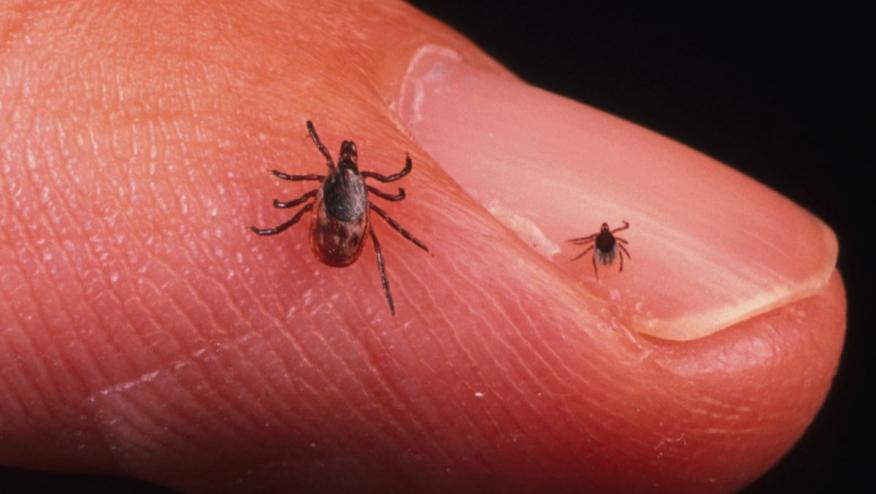
JAMA has published an overview of new considerations on Lyme disease, focusing on Diagnostics, Vaccines, and Prevention.
Little has changed on the diagnostic and therapeutic approaches to Lyme disease in last 25 years. Two-tier antibody serology remains standard, and short-course doxycycline, amoxicillin, or cefuroxime remains first-line therapy . Yet, Lyme disease is one of the most common vector-borne illness in the US - case counts have tripled: from ~21,000 CDC-reported cases two decades ago to 89,000+ in 2023, with estimated true annual US incidence around 476,000 (versus 200,000 in western Europe).
Diagnostics Challenges. The central limitation of two-tier serology is the 2–6 week antibody-response lag, creating a false-negative window early in infection. Direct detection remains technically difficult because B burgdorferi is tissue-sequestered and present in blood only at very low copy number. Researchers are pursuing PCR-based direct detection of bacterial DNA/antigen and host-response signatures (gene-expression patterns, potentially AI-assisted) to distinguish Lyme from mimics. NIH-funded longitudinal cohorts are also tracking immune and autoantibody markers from early infection to identify predictors of posttreatment Lyme disease syndrome (PTLDS) — clinically analogous to long COVID, with no established treatment.
Lyme Vaccines. Pfizer/Valneva's multivalent OspA-based candidate LB6V is the most advanced program, having completed phase 3 testing (participants as young as age 5) with reported 73% efficacy against Lyme disease — missing its primary statistical endpoint due to lower-than-expected case accrual in the trial, but deemed clinically meaningful by developers and now under FDA review. But caution and skepticism persists: it reuses the same OspA antigen as the withdrawn 1998 LYMErix vaccine (minus the epitope implicated in prior safety concerns), offers all-or-none rather than disease-attenuating protection, and requires 3 priming doses over 9 months plus a booster — a schedule several experts doubt will achieve durable uptake, particularly as climate-driven tick-season lengthening may outlast vaccine-conferred immunity.
Prevention. Two nonvaccine strategies stand out: (1) an OspA-targeting monoclonal antibody (Tonix Pharmaceuticals) offering protection within 2 days of infusion, with an estimated 5–6 month half-life — attractive for discrete high-exposure windows, though likely requiring costly annual infusion; and (2) oral lotilaner (Tarsus Pharmaceuticals), an acaricidal drug already used in veterinary and ophthalmic (demodex blepharitis) settings, designed to kill attached ticks before the ~36-hour transmission threshold is reached.
While nothing changes practice today, the future (years away) suggests new the possibility of options. For now experts uniformly stress that behavioral basics — repellents, protective clothing, and tick checks. For rheumatologists, the PTLDS biomarker work is encouraging and may eventually affect management of Lyme arthritis and post-infectious presentations.
Continue Reading
Related Content


ADD THE FIRST COMMENT
Disclosures
Disclosures
The author has no conflicts of interest to disclose related to this subject
The author used AI to research and organize this content, and maintains responsibility for its accuracy






If you are a health practitioner, you may Login/Register to comment.
Due to the nature of these comment forums, only health practitioners are allowed to comment at this time.