


Guidelines for Adult-Onset IgA Vasculitis Save

Know-it-now
- No validated adult diagnostic criteria exist — diagnosis relies on integrating clinical presentation, histology and IgA deposition; a negative skin biopsy does not rule out IgAV, and kidney biopsy is more sensitive for detecting IgA deposits.
- Kidney outcomes hinge on MEST-C, not ISKDC — the Oxford classification, especially the E1 lesion, better predicts eGFR trajectory in adults than the traditional crescent-based grading.
- Screen for triggers and malignancy at diagnosis — infections, drugs/vaccines, occult liver disease, and age/sex-appropriate cancer screening (genitourinary cancers, IgA gammopathies) are all recommended.
- Rituximab is now the preferred option for refractory/relapsing disease, with cyclophosphamide relegated to salvage use pending results of the ongoing RIGA RCT; CKD care otherwise mirrors IgAN (RAS blockade, SGLT2 inhibitors).
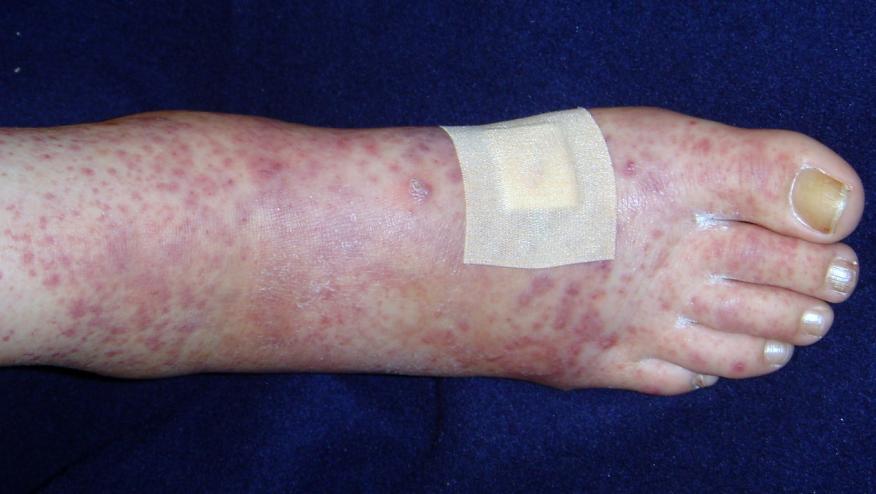
A EUVAS-sponsored expert panel of 37 specialists across rheumatology, nephrology, dermatology and pathology has published evidence-based guidelines for adult-onset IgA vasculitis (IgAV), which behaves very differently in adults compared to usually self-limited childhood form. A Delphi exercise addressed 14 PICO questions and a systematic review of 335 studies. Recommendations were adopted only when >80% of the panel scored agreement ≥8/10.
While no classification tool has been validated in adults with IgAC; the pediatric EULAR/PRINTO/PReS Ankara 2008 criteria (with added exclusion of ANCA positivity and cryoglobulins) perform well in adults (sensitivity 76–98%, specificity 85–95%). Such criteria are for research classification, not bedside diagnosis.
Diagnosis. The diagnosis of IgAV instead rests on combining a compatible clinical picture with histology. Skin biopsy with direct immunofluorescence remains first-line, but roughly 20% of adults lack detectable IgA deposits on skin sampling even when kidney biopsy is positive, so a negative skin biopsy does not exclude the disease.
Renal. IgAV-nephritis (IgAV-N) is histologically indistinguishable from IgA nephropathy but shows more endocapillary hypercellularity, crescents and capillary-wall immune deposition. An eGFR <60 mL/min/1.73m² and proteinuria >0.5 g/g are the key baseline predictors of progression to kidney failure.
The guidelines endorse applying the Oxford MEST-C score (rather than the older ISKDC grading) to biopsies, since the E1 (endocapillary hypercellularity) lesion in particular flags a delayed-decline eGFR trajectory. At diagnosis, panelists recommend age- and sex-appropriate cancer screening (genitourinary malignancies and IgA-related plasma cell dyscrasias are overrepresented) plus evaluation for infectious, drug and occult liver disease triggers.
Treatment. Mild skin or joint disease needs only symptomatic care; colchicine or dapsone can be used for skin-limited relapses. Glucocorticoids remain the backbone for organ-threatening (renal, GI) disease, generally following IgAN-derived regimens such as the revised TESTING protocol rather than the older, more toxic Pozzi–Locatelli approach.
The only randomized trial in the field, CESAR, found no added benefit from cyclophosphamide over glucocorticoids alone, though it was underpowered for severe subgroups. For relapsing or refractory disease, rituximab has the most supportive (if still uncontrolled) evidence — response rates of 90%+ across several cohorts — and a propensity-matched analysis suggested a 35% lower risk of kidney failure/CKD progression versus cyclophosphamide. An ongoing placebo-controlled RCT (RIGA, NCT05329090) should clarify this further. All patients with persistent CKD warrant RAS blockade, SGLT2 inhibitors (extrapolated from IgAN data) and standard cardiovascular risk reduction.
These multidisciplinary, evidence-graded guidelines for adult IgAV, draw heavily from from IgA nephropathy and ANCA-vasculitis literature. Most recommendations carry only grade B/C evidence, underscoring how much adult-onset IgAV remains an orphan disease for prospective trials — a gap the ongoing RIGA trial and emerging IgAN therapeutics (targeted-release budesonide, complement inhibitors) may help close.
Related Content
ADD THE FIRST COMMENT
Disclosures
Disclosures
The author has no conflicts of interest to disclose related to this subject
The author used AI to research and organize this content, and maintains responsibility for its accuracy




If you are a health practitioner, you may Login/Register to comment.
Due to the nature of these comment forums, only health practitioners are allowed to comment at this time.