
Article
Dr. Jack Cush answers audience clinical case questions sent by email or "ask Cush anything". Cases and questions from:

Search for Terms or Answers
Dr. Jack Cush answers audience clinical case questions sent by email or "ask Cush anything". Cases and questions from:

Abatacept has been studied in seropositive clinically suspect arthralgia patients (at risk for rheumatoid arthritis) and shows the potential to delay or prevent the disease.
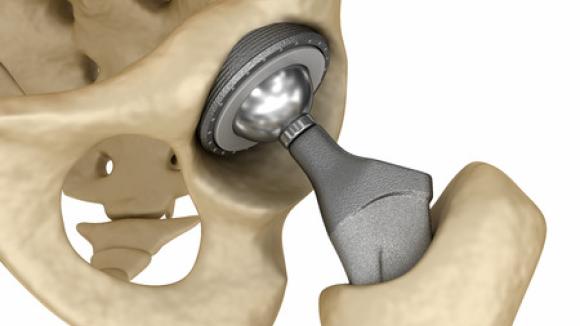
The antidiabetic and weight-loss drug semaglutide (Ozempic, Wegovy, Rybelsus) either does or does not help patients undergoing total hip arthroplasty (THA) avoid complications and other poor outcomes, according to two retrospective studies presented here.
The NEJM has published the results of the FRONTIER 1 trial demonstrating the efficacy of JNJ-77242113, an oral interleukin-23 (IL-23) receptor antagonist peptide, in patients with psoriasis (PSO).

Dr. Jack Cush reviews the journal reports from the past week on RheumNow.com. Highlights are summarized by three songs: "Stairway to Heaven", "You're No Good", and "How Long (has this been going on)".
Refractory of difficult to treat (D2T-RA) rheumatoid arthritis (RA) comprises a minority of patients that can be categorized by clinical and imaging parameters to formulate a better therapeutic approach.

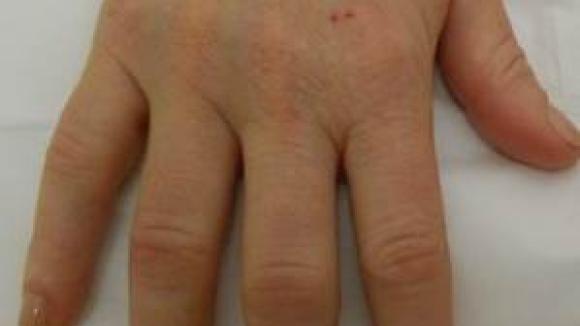
Inflammatory arthritis (IA) is a common manifestation in systemic sclerosis (SSc), affecting nearly one-third of patients.
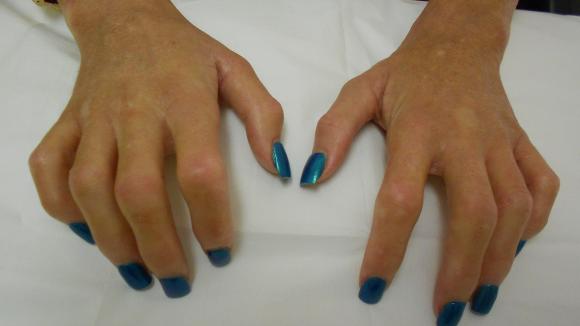
In the 2 years that followed the termination of the VITAL study, the preventative effect of vitamin D on incident autoimmune disease disappeared with supplement discontinuation; but n-3 fatty acid treated individuals had a sustained benefit in reducing the risk of autoimmune disease.

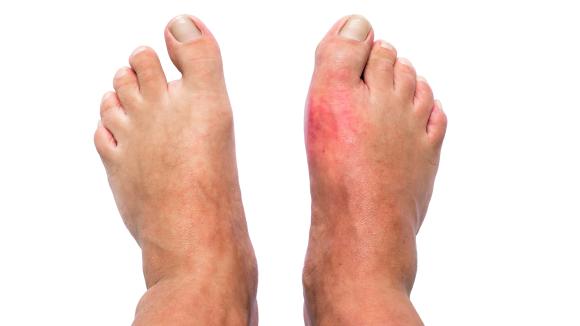
Approximately 12 million US adults in the US have gout. Two recent literature reports highlight contributors to gout flares.
A study from a large metropolitan registry of psoriatic arthritis (PsA) patients showed several racial and/or ethnic groups are underrepresented and demonstrate differences in disease activity.
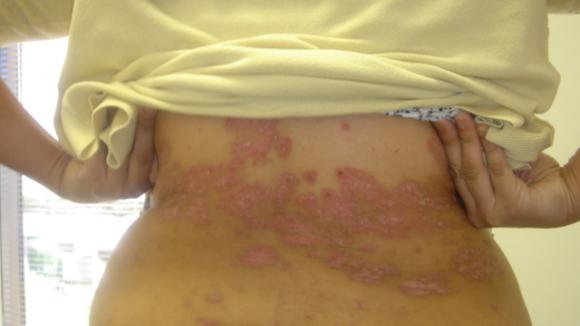
For many aspiring mothers with autoimmune disease, pregnancy can be daunting and full of unknowns. In some cases, those suffering from specific autoimmune conditions have chosen to forego pregnancy altogether due to concerns about their disease treatments and adverse pregnancy outcomes.

Dr. Jack Cush reviews the news and journal reports from the past week on RheumNow.com. This week we discuss hipsters undergoing hip replacement, pregnancy outcomes in RA and the future of academic clinicians.
Somewhere between 24 and 50 million Americans have an autoimmune disease, a condition in which the immune system attacks our own tissues. As many as 4 out of 5 of those people are women.

US commercial insurance claim analysis of laboratory screening and monitoring practices in chronic inflammatory skin disease (CISD) patients shows that < 60% received the recommended pretreatment testing when starting systemic immunomodulatory treatment.

Low back pain is a major cause of disability around the globe, with more than 570 million people affected. In the United States alone, health care spending on low back pain was $134.5 billion between 1996 and 2016, and costs are increasing.

A prospective cohort study suggests the presence of antidrug antibodies may be associated with bDMARDs nonresponse in rheumatoid arthritis (RA). Should we be monitoring ADAbs (especially in nonresponders)?
A prospective study of the BioSTAR registry estimates the prevalence of cardiovascular disease in rheumatoid arthritis (RA) to be 4.6%.

The RECOVERY trial focused on pediatric MIS-C patients treated with immunomodulators and anti-cytokine therapy demonstrated the benefits of first-line therapy with intravenous methylprednisolone or second-line tocilizumab in children refractory to initial treatment.

The American College of Rheumatology (ACR), on behalf of over 9,100 rheumatologists and rheumatology professional team members, applauds the Centers for Medicare and Medicaid Services (CMS) for finalizing its Advancing Interoperability and Improving Prior Authorization Processes for Medicare Adva

On 1-19-2024, the Food and Drug Administration (FDA) issued a Drug Safety Communication about the risk of severe hypocalcemia in chronic kidney disease (CKD) patients taking denosumab for osteoporosis, with an accentuated risk in older women who are dialysis-dependent.
This report is an update to their November 2022 investigation, the results of a related study being recently reported in JAMA.

By downloading this material, I acknowledge that it may be used only for personal use and personal education and that I will accredit RheumNow.com as the source and owner of this material. Commercial use or mass reproduction of this material without permission from RheumNow (info@rheumnow.com) is prohibited.