
Article
Early diffuse cutaneous systemic sclerosis (SSc) was associated with high levels of disability and fatigue, according to analysis of data from the European Scleroderma Observational Study cohort.

Search for Terms or Answers
Early diffuse cutaneous systemic sclerosis (SSc) was associated with high levels of disability and fatigue, according to analysis of data from the European Scleroderma Observational Study cohort.
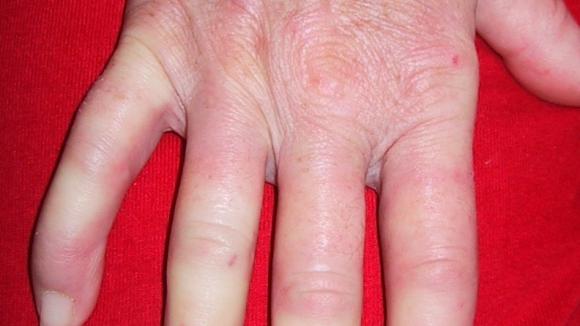
The Food and Drug Administration (FDA) approved use of Nucala (mepolizumab) for use in treating adults with eosinophilic granulomatosis with polyangiitis (EGPA), previously known as Churg-Strauss vasculitis. This is first FDA-approved therapy specifically to treat EGPA.
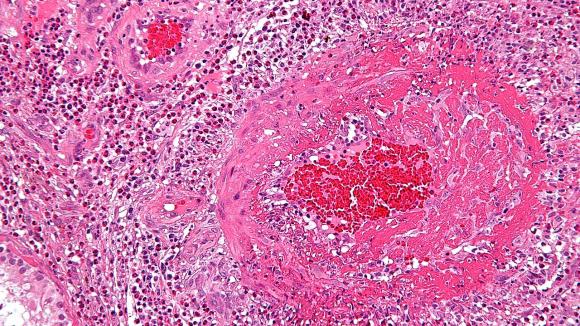
Dr Jack Cush reviews nighlights and news from the past 2 weeks on RheumNow.com. This week's report includes new drug approvals, disappointing ACR guidelines, Lyme & Zika, infertility, dermatomyositis skin outcomes and myositis-associated cancer testing.

JAMA Dermatology reports that clinical remission was relatively uncommon in dermatomyositis, despite aggressive systemic therapy, but was best in those receiving mycophenolate during a 3-year study.
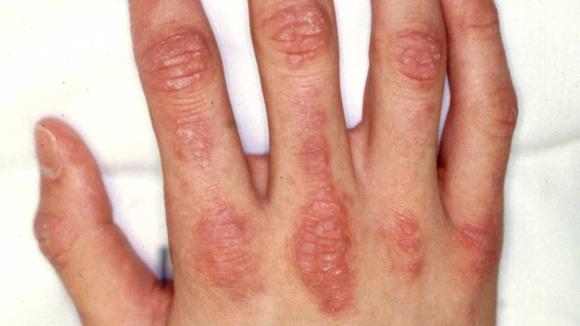
Women with the autoimmune inflammatory myopathies dermatomyositis (DM) and polymyositis (PM) are at increased risk for hypertensive disorders in pregnancy, a nationwide retrospective study found.

JAMA Internal Medicine has reported that recommendations and clinical practice guidelines from the American College of Rheumatology are often based on expert opinion, but lack rigorous (grade A) evidence to support many of their recommendations.

Dr. Jack Cush reviews the news and highlights from the past week on RheumNow.com. This week he covers FDA warnings on gout drugs, steroid use in Australia, biosimilars lost savings and methotrexate hepatotoxicity in psoriatic arthritis (PsA).
Care to learn what you missed at last weeks ACR 2017 meeting in San Diego? Here are 4 one hour audio podcasts - each with a compliation of 2-4 minute reports from Drs. Cush, Kavanaugh, the RheumNow Faculty and other rheumatology thought leaders and researchers. Another good way to learn from RheumNow.

This special edition of the RheumNow Week in Review covers highlights of selected sessions from the 2017 ACR annual meeting in San Diego. Dr.
A number of presentations over the past few days have addressed the health economics of SLE.

While the incidence of pneumocystis pneumonia (PJP) is low is patients with rheumatologic diseases the mortality is quite high compared to PJP in patients with HIV and infection can be prevented with appropriate prophylaxis.

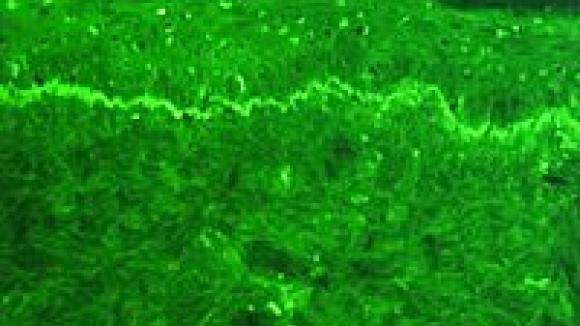
Today the draft of the new EULAR/ACR lupus classification criteria was presented at the ACR 2017.
We take many things for granted. I walked 11,151 steps today going from sessions to posters and exhibit halls to learn as much as I can to take back to my clinic so I can help my patients. My feet were hurting, and my back bothered me as I tried to get comfortable for the next lecture; yet, these minor discomforts are nothing compared to what our patients experience on a daily basis.

Clinical trials remain a challenge in SLE and a number of outcome measures have been used with varying success.
Two abstracts in this session sought to address novel ways to assess responses in SLE trials.

The pathogenesis between microscopic gut inflammation leading to the development of Crohn’s disease and sacroiliitis has been poorly understood. Dr. Debusschere, et al sought to understand this important link between IBD and axial SpA.


From Dr. Michelle Petri’s lecture on Antiphospholipid Syndrome Updates at ACR17 Review Course on Saturday, I learned that there is now a new class of diseases called the complementopathies. This was the first time I heard of this term; how many patients did I misdiagnose who really had this and what are the ICD10 codes?!

Clinically meaningful improvements in systemic sclerosis among patients treated with subcutaneous tocilizumab (Actemra) persisted during the open-label phase of a multinational randomized phase II trial, researchers reported.
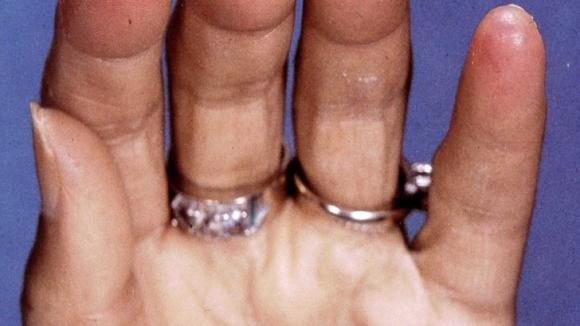
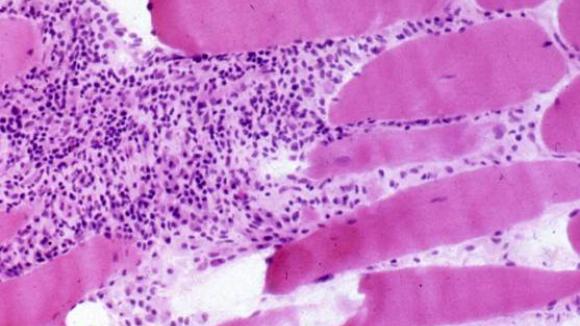
The European League Against Rheumatism and the American College of Rheumatology (EULAR/ACR) have developed classification criteria for idiopathic inflammatory myopathies (IIM) based on data from 976 IIM patients (74% adults; 26% children) and 624 non-IIM patients with mimicking conditions (82% ad
By downloading this material, I acknowledge that it may be used only for personal use and personal education and that I will accredit RheumNow.com as the source and owner of this material. Commercial use or mass reproduction of this material without permission from RheumNow (info@rheumnow.com) is prohibited.

