


Expert Perspective on Calcium Pyrophosphate Deposition Disease Save

Know-it-now
- "Pseudogout" is obsolete terminology — use "acute CPP crystal arthritis"; new nomenclature separates CPPD, CPPD disease, and chondrocalcinosis as distinct entities.
- Diagnosis requires symptoms + crystal confirmation (aspiration preferred) or imaging (US/CT > radiography in sensitivity)
- Distinguishing from gout: knee/wrist predominance, rare first MTP involvement, female predominance in flares, and absence of any serum biomarker (urate)
- No disease-modifying therapy exists — treatment is still symptom-directed (colchicine, glucocorticoids, IL-1/IL-6 inhibition); but ENPP1-targeted therapy represents the most promising future avenue for true modification.
A current perspective article by Dr. Sara Tedeschi tackles many unresolved issues around CPPD diagnosis, classification, and management, including the lack of clinical trials or FDA approved treatments.
Calcium Pyrophosphate Deposition Disease (CPPD) has been misunderstood, often because of imprecise terminology that affects diagnosis and care. The 2026 G-CAN consensus statement now distinguishes:
CPP crystal (the crystal itself)
CPPD (deposition in cartilage/tissue, symptomatic or not)
CPPD disease (symptomatic arthritis due to CPPD)
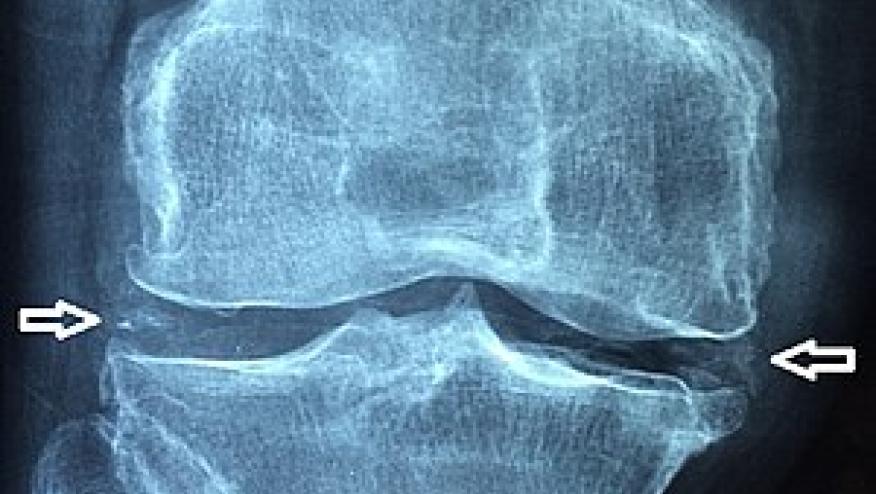
Chondrocalcinosis (radiographic evidence only)
"Pseudogout" is now disfavored — replaced by acute CPP crystal arthritis.
"Pseudo-rheumatoid CPPD" is replaced by chronic CPP crystal arthritis.
Two additional recognized phenotypes:
OA with CPPD (both present, without inflammation)
Crowned dens syndrome (C1/C2 involvement, pathognomonic for CPPD).
CPPD is common but underdiagnosed: 8–10 million U.S. adults have chondrocalcinosis; prevalence is 5% at age 60 and 20–30% by age 80, slightly higher in women. Population-based symptomatic CPPD disease prevalence is far lower (0.02% UK, 0.23% Sweden), reflecting the gap between radiographic deposition and true disease.
There is no blood test for CPPD. It is a clinical diagnosis that rests on the joint symptoms plus evidence of CPP crystals. Joint aspiration with synovial fluid crystal analysis is preferred when feasible, though CPP crystals are notoriously difficult to detect — many are non-birefringent under compensated polarized light microscopy, and diagnostic competence in this technique is inconsistent among clinicians.
Imaging evidence often supplants crystal identification, with ultrasonography and CT have greater sensitivity than conventional radiography, though all three have high specificity. The 2023 ACR/EULAR CPPD classification criteria (the first ever) now provide a standardized framework, primarily for research/trial enrollment, and underpin the new G-CAN terminology.
Distinguishing CPPD from Gout - Several features help differentiate acute CPP crystal arthritis from gout:
- Joint distribution: CPPD favors the knee or wrist; the first MTP joint is uncommonly involved (unlike gout's classic podagra)
- Sex distribution: Women have a higher acute CPP crystal arthritis flare rate than men — the reverse of gout
- CPP Flare pattern: ~75% of patients experience only one lifetime flare; ~25% have recurrence
- No serum biomarker exists for CPPD (unlike urate for gout), and no urate-lowering-type disease-modifying therapy exists — a fundamental unmet need
- Diagnostic confusion also occurs with rheumatoid arthritis: 4–15% of patients labeled "seronegative RA" were later found to have chronic CPP crystal arthritis instead
Treatment. Acute CPP crystal arthritis: First-line options are moderate-dose glucocorticoids (e.g., prednisone 20–30 mg × 2 days, then 10 mg × 5–7 days) or colchicine (loading dose, then 0.6 mg twice daily), guided by comorbidities and time since onset (colchicine preferred if <36 hours). The COLCHICORT trial showed colchicine and prednisone were equivalent (65% responders each at 24 hours). Intra-articular glucocorticoids are preferred for monoarticular disease. Anakinra (IL-1 inhibitor) is second-line, useful when steroids/colchicine are contraindicated.
Chronic/recurrent CPPD: Stepwise approach — colchicine first-line, then hydroxychloroquine, methotrexate, IL-1 inhibition (anakinra/canakinumab), or IL-6 inhibition (tocilizumab/sarilumab). Evidence is thin: hydroxychloroquine showed benefit (76% vs 32% response, P<0.01) but in a trial enriched for destructive arthropathy; methotrexate showed no significant benefit in a rigorous crossover trial; tocilizumab open-label data are promising (PGA dropping from 60mm to 15mm at 3 months) but uncontrolled.
No FDA-approved treatment exists for CPPD disease.
Three CPP trials are now underway: CRYSTALLIZE (colchicine, US), TociCCAre (tocilizumab, France), and BAPTIST (baricitinib vs. active comparators, Italy).
The most exciting avenue is targeting crystal formation itself — via ANKH, ENPP1, and alkaline phosphatase, the enzymes governing pyrophosphate metabolism. A recent genome-wide association study identified gain-of-function ENPP1 variants as causal. ENPP1 ((Ectonucleotide Pyrophosphatase/Phosphodiesterase 1) inhibitors already exist (developed for oncology) — raising the possibility of repurposing for CPPD, pending studies of tissue-specificity and off-target risk.
Related Content


Join The Discussion
Should seronegative RA in elderly be then subjected to cyrstal studies. Even low titre RF can be a bystander to CPPD.
Studies of "seronegative RA" pts have shown ~16% as having CPPD. I wouldnt recommend doing arthrocentesis and crystal ID in all seronegative RA. But I would look for evidence of chondrocalcinosis (knee, wrist) in most. I may go further in the evaluation in a seronegative RA who does not respond to your best RA therapies.
Disclosures
Disclosures
The author has no conflicts of interest to disclose related to this subject
The author used AI to research and organize this content, and maintains responsibility for its accuracy




If you are a health practitioner, you may Login/Register to comment.
Due to the nature of these comment forums, only health practitioners are allowed to comment at this time.