

Deucravacitinib, an oral, selective TYK2 inhibitor, has demonstrated efficacy in a phase II trial active systemic lupus erythematosus (SLE) patients.
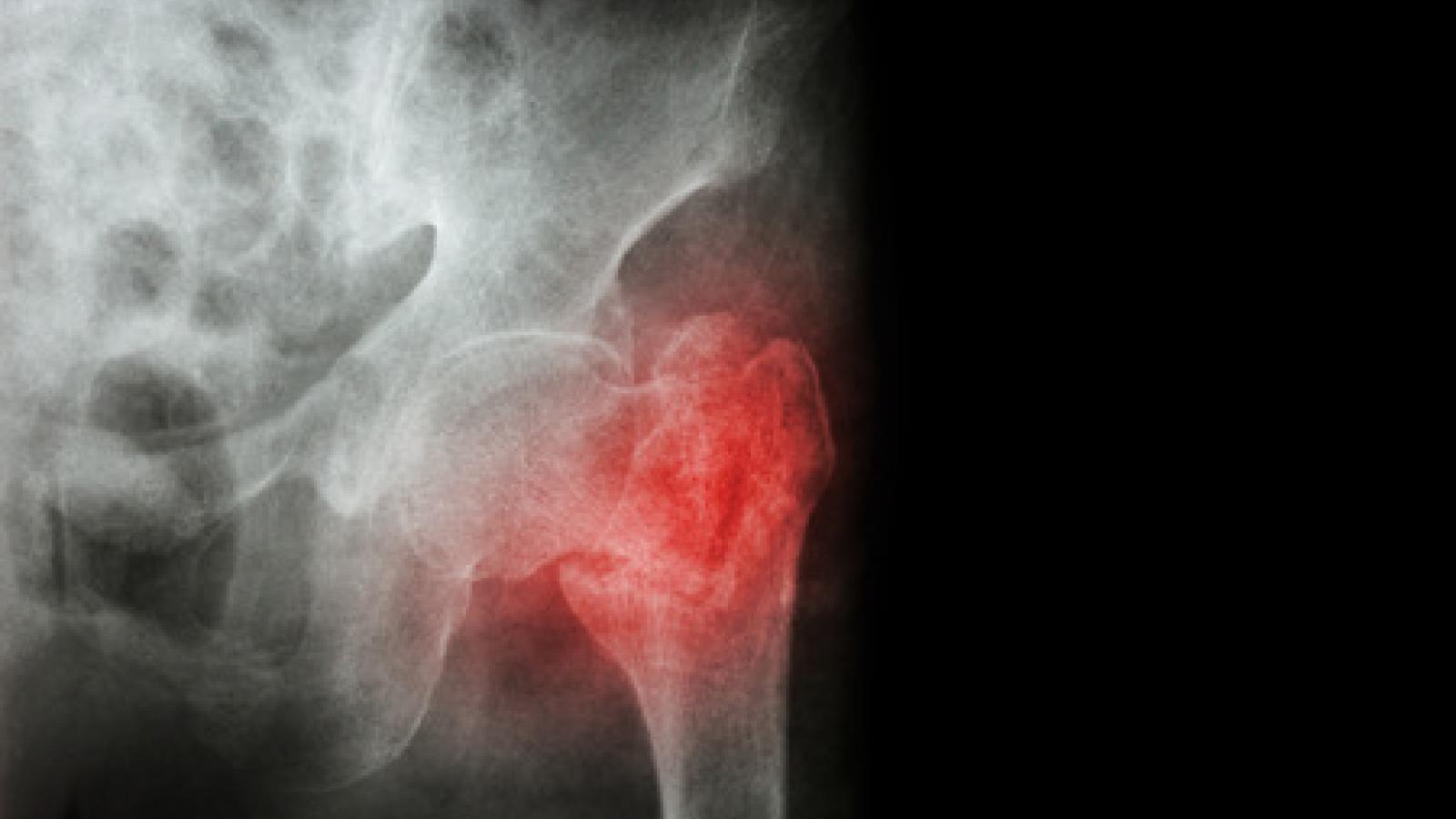
How women can reduce the risk of hip fracture?

Idiopathic inflammatory myopathy (IIM) is associated with increased risk of lung, ovarian, colorectal, lymphoma, breast, and naso-pharyngeal cancers, often within three years of disease onset. At ACR22, plenary abstract 0002, Oldroyd, et al, reviewed the 18 recommendations provided by the International Myositis Assessment and Clinical Studies Group (IMACS) steering committee.

The exact role of diet, physical activity, and stress management in the management of RA has long been debated. While reasonable evidence has supported the importance of physical activity in patients with RA, its capacity to reduce disease activity via conventional measures such as DAS28 was less well delineated.

Discussions regarding family planning, contraception, and pregnancy should be approached at each clinic visit to ensure providers understand patients’ personal goals. These conversations have the potential to decrease the risk of unplanned pregnancies. However, rheumatologists may need to manage unplanned pregnancies and the impacts of accidental teratogenic exposure.

Since reduced proteinuria at one year is the best predictor of improved long-term renal outcomes in lupus nephritis, is there rationale to set a tighter treatment target?

While have come so far from the days of our patients living on massive doses of steroids, we still have many patients who use steroids for our diseases, with increasing data for toxicity, even in low dose. As someone much smarter than me described them, steroids are our best frenemy.

Hydroxychloroquine remains the backbone of treatment for SLE, and the only drug clinically proven to decrease mortality. Optimization of usage is therefore critical in maximizing benefit and preventing harms. Hydroxychloroquine blood level testing is available in clinical practice and can help guide this management.

The assessment of disease activity in AxSpA involves the use of objective inflammatory response (OIR) and patient reported outcomes (PROs). In clinics, a combination of OIR and PROs are used to measure disease activity and response to treatment. OIR includes measurements such as CRP and MRI inflammatory lesions. PROs include measurements for pain, fatigue and quality of life (QOL).

The prioritisation of pain, and its evaluation, is important in those with psoriatic arthritis, when the already incredibly heterogenous nature of the condition can complicate assessment. Whilst we lean towards all pain in PsA being nociceptive in nature, evidence suggests that a significant proportion of patients with PsA also have nociplastic pain, characterised by fibromyalgia.

Addressing chronic pain often leads general practitioners and specialists to prescribe opioids. However, opioids (weak and strong) have not demonstrated efficacy in long-term pain management; their chronic use could even worsen pain in users. Opioids prescription is often perceived as being safer than NSAIDs prescription, especially in respect to MACE.

In the wake of the 2016 AAOS Guidelines, rheumatologists dutifully reduced the dose HCQ take by patients with SLE to some number south of 5mg/kg per day. Though I believe the ophthalmologists correctly interpreted a 2014 paper in JAMA Ophthalmology that quoted a much-higher rate of HCQ associated retinopathy than had previously been appreciated, they and subsequent guidelines published in the field of rheumatology lacked a critical piece of

Significant disparities exist in pregnancy outcomes in women with systemic lupus erythematosus (SLE), with previous cohorts identifying Black women as having a higher risk of maternal mortality compared to White women with SLE.

There has been much focus on the pharmacologic management of axSpA. Despite optimal control of inflammation, symptoms of fatigue and pain can persist. Long term use of analgesics including opioids carries significant risks. Strategies to improve response to treatment in this population is critical.

On Thursday, November 21, 2022, Dr. Arthur Kavanaugh and Dr. Jack Cush reviewed the best and most interesting data and sessions presented at ACR22 in Philadelphia, PA. These are the research abstracts discussed:

