


A Better Approach to Preventing Osteoporotic Fractures Save

Know-it-now
- The FDA now allows for BMD (as a surrogate for fracture rates) approval pathway to promote innovation and accelerate drug development. The author believes this may not be wise.
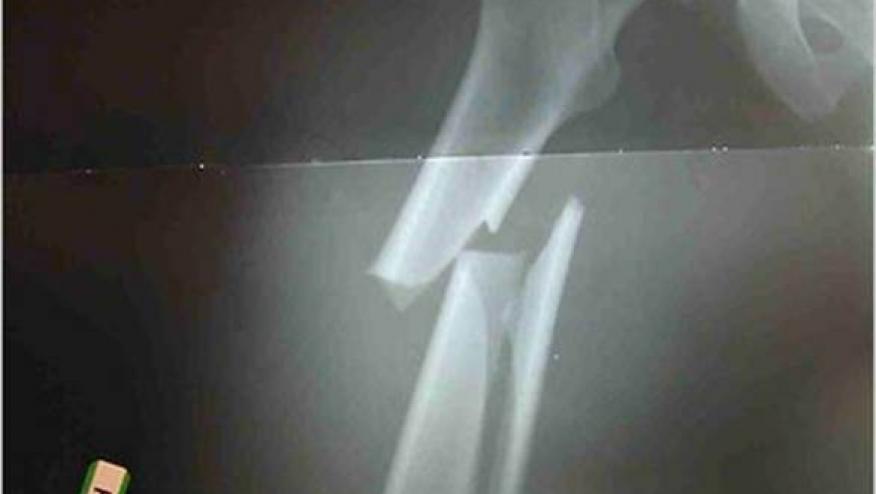
- Atypical Femoral Fracture (AFF) risk with long-term antiresorptives likely reflects cumulative microdamage from turnover suppression, not a fixed drug property — duration-limiting strategies remain warranted.
- BMD gains ≠ fracture protection or safety — strontium and cathepsin K inhibitors are cautionary precedents.
- Perimenopausal intervention (estrogen, or single-dose zoledronate as an alternative) may be the highest-yield prevention window; earlier screening (at menopause, not age 65) could support this.
In a recent JAMA Viewpoints article Dr. Susan Ott addresses several controversies in preventing osteoporosis (OP) related fractures.
There are many unmet needs and challenges in osteoporosis. For example, fewer than 15% of post-fracture patients get treated, and only 10–21% of hip and vertebral fracture patients receive a DXA scan within 12 months, This article addresses recent regulatory changes and development of new drugs to prevent OP fractures.
FDA now allows bone mineral density (BMD) as a surrogate approval endpoint instead of clinical fracture. This substantially reduces both trial size and duration, presumeable to promote innovation. This shift was driven by industry and ASBMR-affiliated researchers using pooled patient data showing strong BMD-fracture correlation. But that analysis excluded the fluoride RCT, which raised spine BMD more than any agent tested yet increased fracture risk, potentially undercutting BMD as a universally reliable surrogate.
Trabecular bone remodels over ~5 years and cortical bone roughly twice that. There is concern that shorter (< 2 year) trials may miss true outcomes. Medications that inhibit turnover may not have a major effect in the 1-2 year clinical trial. Yet during this period gradual microdamage accumulates, weakens bone and raises the risk for atypical femur fractures, as seen with bisphosphonates and denosumab.
Anabolic-then-antiresorptive agents (teriparatide, denosumab, romosozumab) also lose their BMD gains on discontinuation. Short trials may miss important safety signals. Strontium ranelate lost EU approval for cardiovascular harm despite raising DXA-measured BMD, and cathepsin K inhibitors showed increased stroke risk after 2 years.
Another contentious point is when should we be screening and intervening. Ott points to the importance of perimenopausal screening and prevention strategy as the more promising than new drug approvals. Primarily because bone loss is steepest in the year before/after final menses. There are multiple studies to support this:
- A 4-year RCT in women 40-60 showed placebo lost 2.9% hip BMD vs. +1.4% with alendronate and +3.7% with estrogen;
- the Study of Osteoporotic Fractures showed durable fracture-risk reduction with estrogen use averaging 35 years, without atypical fracture or ONJ risk.
- WHI-era cardiovascular concerns were age-dependent (benefit near menopause, harm in older women), and transdermal estrogen now appears to lower clotting risk further.
- A single zoledronate dose in women 50-60 also cut fracture incidence (6.6% vs 11.1% placebo), with resorption markers rebounding over time — potentially avoiding long-duration ONJ/AFF risk, though confirmatory trials are needed.
This article calls for better studies, better medications and clearer guidelines for OP management a fracture risk prevention.
Continue Reading
ADD THE FIRST COMMENT
Disclosures
The author has no conflicts of interest to disclose related to this subject
The author used AI to research and organize this content, and maintains responsibility for its accuracy





If you are a health practitioner, you may Login/Register to comment.
Due to the nature of these comment forums, only health practitioners are allowed to comment at this time.